Bulgaria stated that it would not support the possible inclusion of Patriarch Kirill and Lukoil in the new package of EU sanctions against Russia. Sofia believes that such measures will either not have a practical effect or may create additional risks for energy security.
Bulgaria intends to oppose possible European Union sanctions against the head of the Russian Orthodox Church, Patriarch Kirill, and the Russian oil company Lukoil. This was stated by Bulgaria's Foreign Minister, Velislava Petrova, amid ongoing negotiations regarding the 21st package of EU sanctions against Russia.
The adoption of new restrictive measures requires unanimous support from all EU member states, so Sofia's position may prove decisive on certain issues. According to Petrova, sanctions against Patriarch Kirill may have more political consequences than real practical effects.
"Any measures against Kirill will create fertile ground for anti-European propaganda," the minister stated.
In her opinion, such decisions would allow for the spread of claims that the EU is interfering in religious matters. The head of the Bulgarian Foreign Ministry also doubted the effectiveness of such sanctions.
"Freezing the financial assets of the Russian patriarch in certain banks will not prevent him from continuing his activities," Petrova noted.
The question of possibly including Patriarch Kirill in the EU sanctions list has been discussed for several years. In 2022, Hungary, led by Prime Minister Viktor Orban, blocked such an initiative.
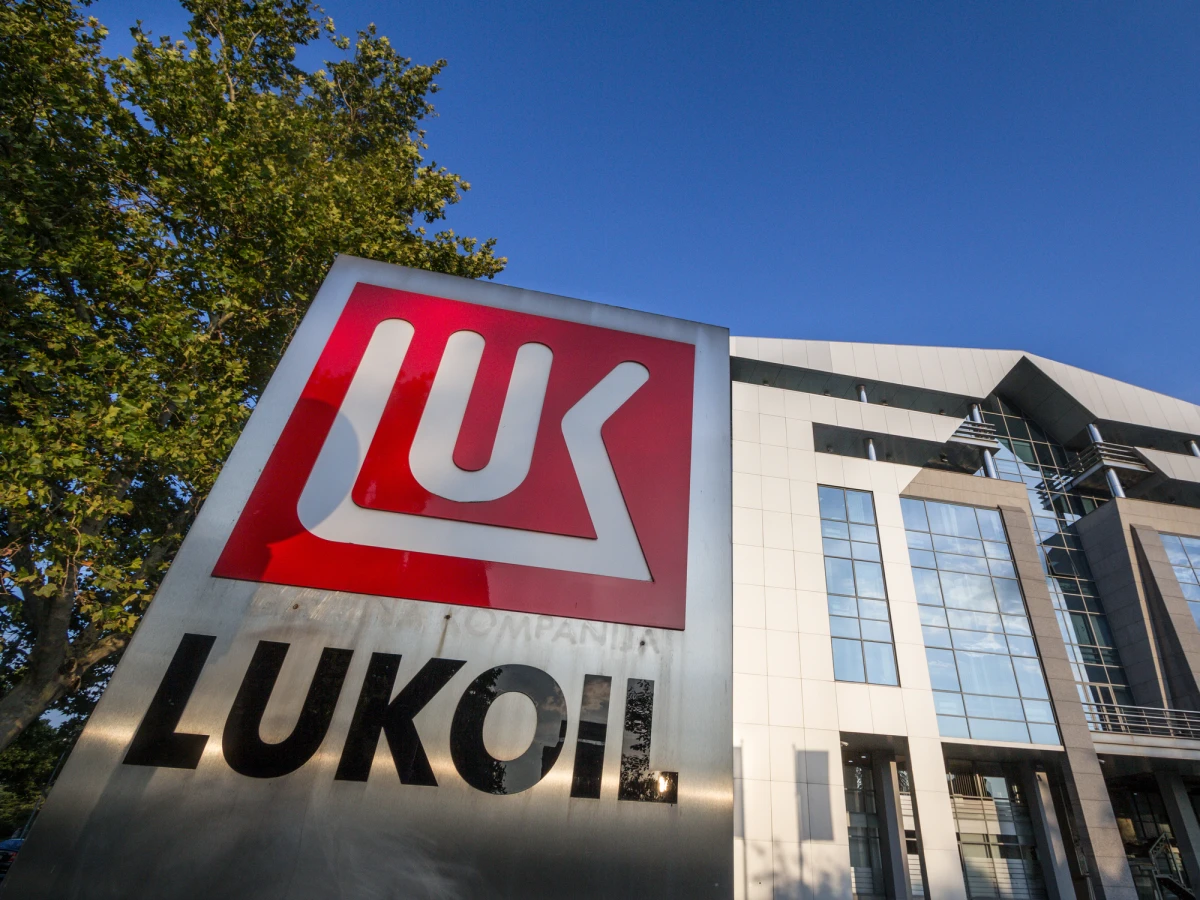
Bulgaria has also taken a similarly firm stance regarding potential restrictions against Lukoil and related entities. According to Petrova, many EU countries still depend on Russian energy resources, and therefore such decisions require special caution.
"The main priority for Bulgaria remains maintaining the country's energy stability," the minister emphasized.
She added that concerns about the possible impact of sanctions on energy security are shared by some other EU states as well.
In fact, Sofia suggests evaluating new restrictions primarily based on their practical effect rather than their symbolic significance.
"We support sanctions that have an economic effect but do not punish EU countries more than the state that is waging war, and that are not merely symbolic," Petrova stated.
Discussions on the new sanctions package are ongoing. It is still unclear whether measures against Patriarch Kirill or entities related to Lukoil will be included in the final version.
However, Bulgaria's statement shows that there are still disagreements within the EU regarding which sanctions are most effective and what consequences they may have for the countries of the union.