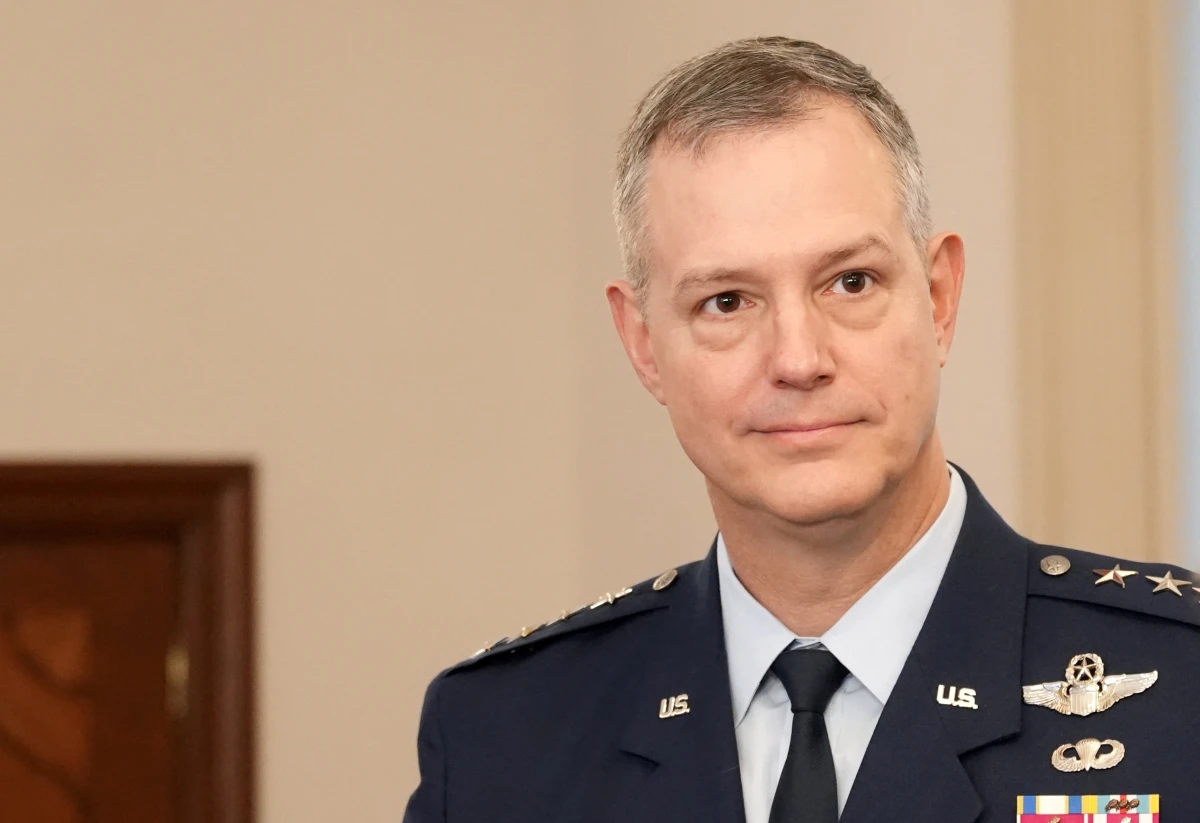
The Supreme Commander of NATO's Joint Forces in Europe, General Alexus Grinkevich, stated that Russia will not dare to engage in aggression against the Baltic states, as it understands that a confrontation with the Alliance would end in failure for it. The general made this statement during his speech at the Berlin Air Show ILA, reports the Financial Times.
During a panel discussion, Grinkevich noted that he regularly reviews intelligence information and currently sees no signs of Russia preparing for a direct military conflict with NATO.
"Russia is not seeking conflict... They understand the term 'defensive alliance' and realize that we have a number of asymmetric advantages," emphasized the general.
The commander’s statements came against the backdrop of ongoing discussions about the future of the American military presence in Europe. As noted by the Financial Times, Washington is considering various options for optimizing troop deployments, including a model where some units would be in reserve and could be deployed within 10, 30, or 180 days depending on the level of threat.
Such plans raise concerns among the Baltic states, which fear potential gaps in NATO's collective deterrence system. However, according to Grinkevich, the existing security architecture remains reliable and capable of effectively responding to any threats.
The general emphasized that NATO's key task is to make any potential aggression so costly and unsuccessful that Moscow would not even consider such a scenario.
"The goal is for Russia to understand: if they try to do something in the Baltic states, they will achieve nothing. Since they know they will not succeed, they will not risk doing something like that," he stated.
Grinkevich also assured that the Alliance's forces are in a state of high readiness and can immediately begin carrying out tasks if necessary.
"When people ask me: are you ready to fight right now? Absolutely."
Strengthening NATO's Eastern Flank
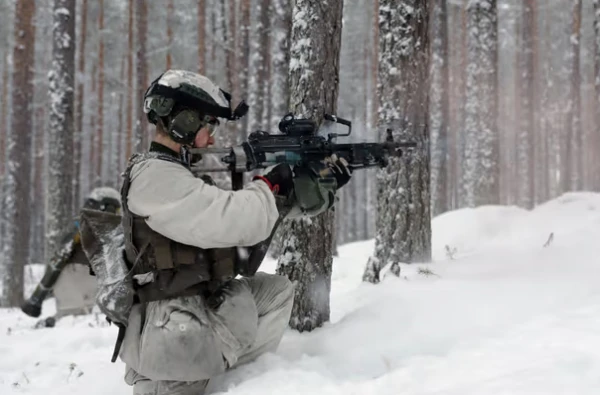
Amid the ongoing war in Ukraine, NATO countries are paying increasing attention to strengthening their borders and enhancing readiness for potential threats.
Recently, Alliance states have been reporting more incidents involving Russian drones. In particular, the crash of a Geran-type drone in the Romanian city of Galati, which resulted in injuries, received widespread attention. Following this, Romania began testing Merops interceptor drones with artificial intelligence elements to counter aerial threats.
Meanwhile, Latvia continues to strengthen its border with Russia. As part of a defense enhancement program, anti-tank obstacles known as 'dragon's teeth' are being installed in border areas, engineering obstacles are being created, and anti-tank ditches are being dug, which are intended to become part of a unified defense system for NATO's eastern flank.
According to the NATO commander in Europe, the likelihood of direct Russian aggression against the Baltic states remains low precisely because of the existing collective defense system. At the same time, Alliance states continue to strengthen their borders and increase military readiness based on the principle of preventing any potential threats.