
Additional pressure is being created by long-range strikes on Russian oil refineries and oil depots.
The Ukrainian campaign of drone strikes on territories temporarily occupied by Russia is increasingly disrupting the logistics of Russian troops and exacerbating the fuel shortage in Crimea and neighboring regions.
As reported by the BBC, one of the main targets has been the transport routes connecting Russia with the occupied south of Ukraine and Crimea through Mariupol. Analyst Clément Molen from the French center Atum Mundi described the route from Rostov-on-Don to Mariupol to Crimea as the "foundation of the Russian occupation in the south."
According to his estimates, since the beginning of May, Ukrainian drones have attacked about 300 trucks, including more than 30 fuel tankers. In June, the intensity of the strikes increased.
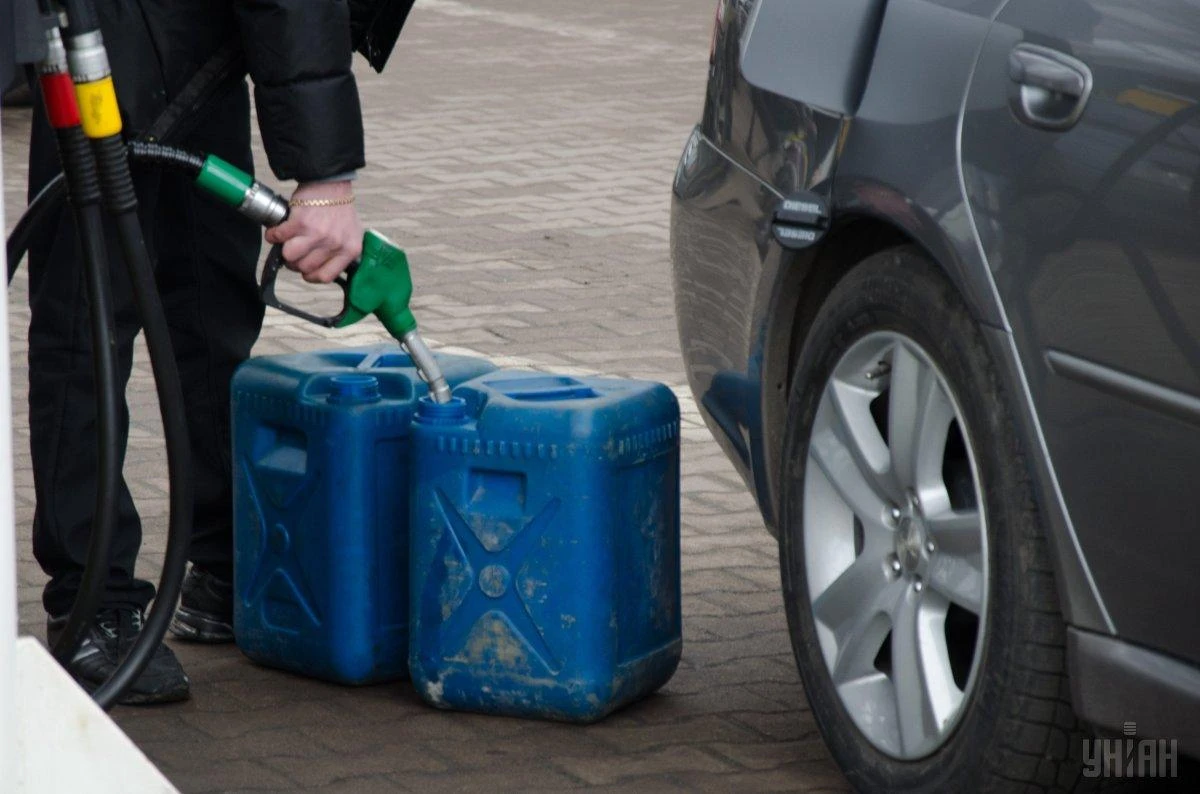
The consequences are already being felt by residents and tourists in occupied Crimea. Videos of long queues at gas stations are spreading on social media. Locals report that they sometimes have to wait for fuel for up to 10 hours. Most gas stations have restrictions – no more than 20 liters of fuel per person, and in some places, gasoline and diesel are completely absent.
Russian tourists who arrived in the region before the crisis are now trying to find fuel to leave. The problem is so acute that local authorities had to launch a special hotline to assist them. There are also reports of a sharp rise in gasoline and diesel prices due to the shortage.
The issue has been acknowledged by the head of Crimea appointed by Russia, Sergey Aksyonov. According to him, the demand for fuel cannot be fully met at the moment, and due to the shortage, hundreds of buses are not operating.
The situation is complicated by the fact that alternative supply routes are also under threat. Maritime transport has become risky after Ukrainian attacks on ferries, and traffic on the Crimean Bridge has been repeatedly restricted due to strikes and the threat of new attacks.
Some Russian sources claim that Ukrainian attacks on logistics routes have already affected the combat capability of the Russian army. On June 7, Ukrainian forces also damaged an important bridge in the Chonhar area in northern Crimea, which was used for the movement of military equipment and civilian transport.
Additional pressure is being created by long-range strikes by Ukraine on Russian oil refineries and oil depots. Ukrainian President Volodymyr Zelensky previously stated that in May, nearly 40% of Russia's primary oil refining capacity was rendered inoperable.
According to Harvard University expert Craig Kennedy, Ukraine is gradually shifting from attacks on large oil refineries to strikes on local fuel supply networks, which has a more tangible impact on both Russian military forces and the population of the occupied territories. Drone strikes have also affected other parts of occupied Ukraine, particularly the Luhansk and Kherson regions.












Leave a comment