
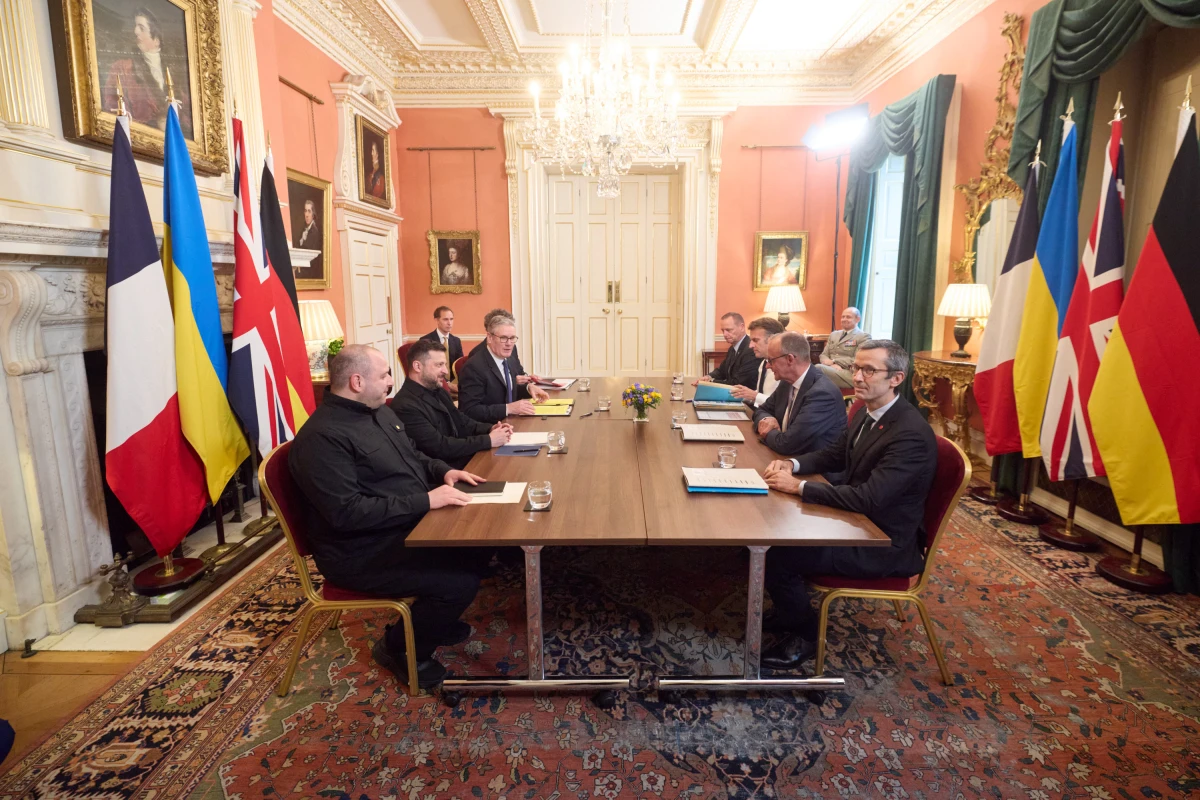
The leaders of Ukraine, the UK, France, and Germany outlined the main principles for a possible peaceful resolution of the war during their meeting in London. Among them are an immediate ceasefire, security guarantees for Ukraine, and the retention of frozen Russian assets until compensation is paid.
Ukrainian President Volodymyr Zelensky, UK Prime Minister Keir Starmer, French President Emmanuel Macron, and German Chancellor Friedrich Merz have agreed on a common position regarding the key conditions for a possible peace agreement between Ukraine and Russia.
The outcomes of the negotiations were formalized in a joint statement published after the leaders' meeting in London.
The participants of the meeting supported the idea of direct dialogue between Ukraine and Russia with active involvement from the United States and European countries. In their opinion, this format should help achieve a ceasefire and create conditions for further negotiations.
The document lists five principles that the leaders of the four countries believe are necessary for achieving a just and long-term peace.
The first condition is an immediate ceasefire. The statement emphasizes that Russia must agree to a complete cessation of hostilities.
The second principle is to use the current front line as a starting point for negotiations.
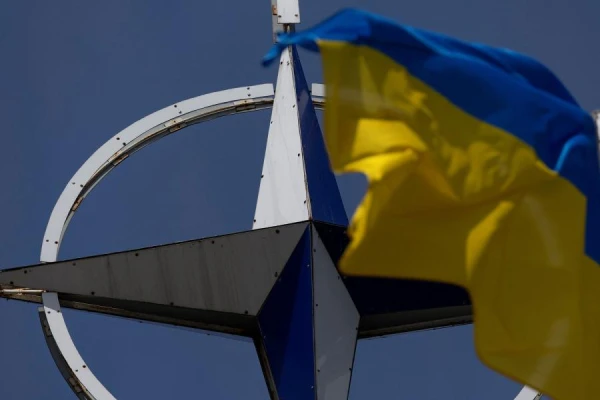
Additionally, the leaders stated that internationally recognized borders cannot be changed by force, and Ukraine must retain the right to independently determine its foreign policy and choose international alliances, including the possibility of joining NATO.
What is important to know: for the first time in a long time, European leaders publicly presented not separate proposals for resolution but a comprehensive set of conditions that they consider mandatory for a future peace agreement.
Another key element is the security guarantees for Ukraine. According to the meeting participants, these should come into effect immediately after a ceasefire is established and should include the presence of international forces on Ukrainian territory.
The leaders also reaffirmed the position that Russian assets frozen by Western countries after the start of the war should remain blocked until Russia compensates for the damage caused to Ukraine.
The joint statement specifically emphasizes that any agreement must take into account the interests of European security. Furthermore, issues affecting the European Union or NATO cannot be resolved without the consent of the member states of these organizations.
The meeting in London took place a few days after Volodymyr Zelensky publicly proposed to Vladimir Putin to hold bilateral negotiations. The Russian president rejected this initiative.
Thus, Ukraine's European allies have effectively outlined the framework within which they believe future negotiations to end the war can take place.






Leave a comment