
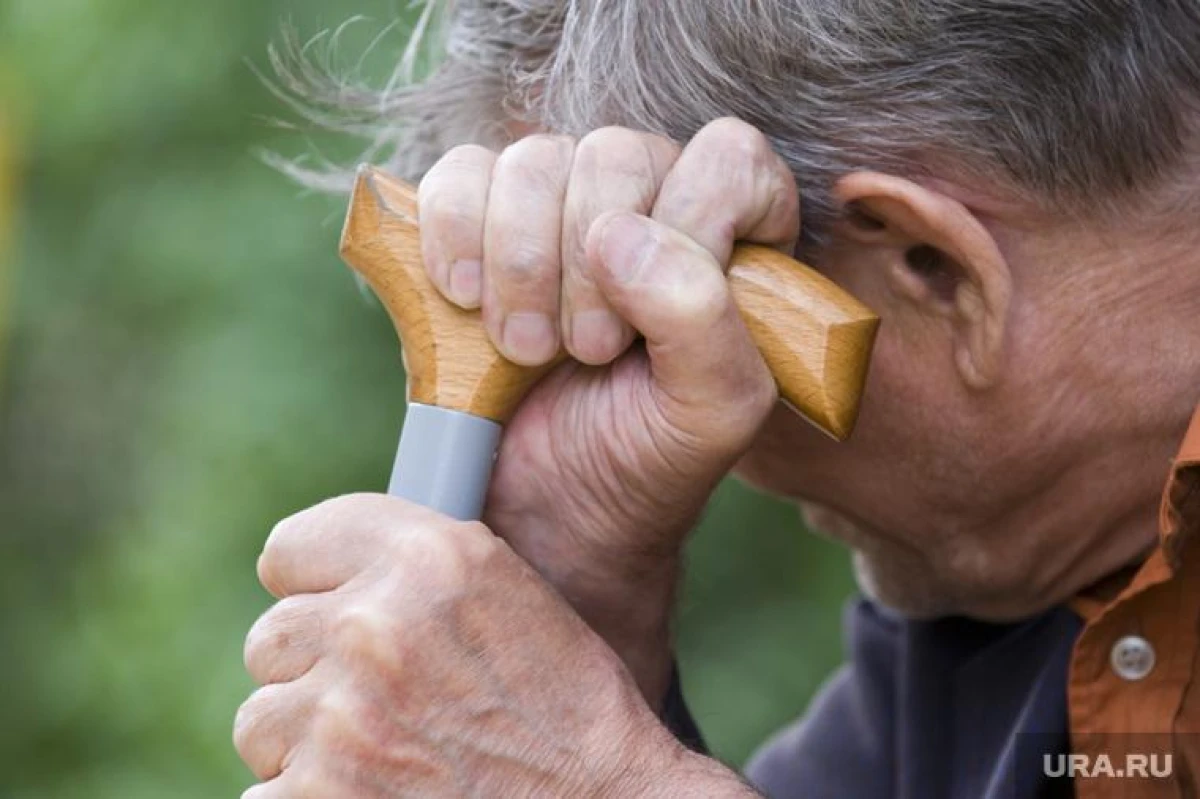
Back in May, the Police and Border Guard Department (PPA) announced its intention to transfer calls related to elderly falls to other services starting this autumn. However, according to the analysis by the Ministry of Social Affairs, the existing system should instead be improved. Now, the police have taken a wait-and-see position, writes Postimees.
Last year, the PPA decided to stop or significantly reduce responses to social calls, such as assisting elderly people who have fallen at home, starting this autumn.
The head of the PPA's readiness and response bureau, Mait Siigur, told the Postimees publication in May that the police encounters daily situations that do not actually require their intervention. About seven years ago, the police responded to approximately 100 calls related to elderly falls, but last year that number reached nearly 600.
Siigur suggested that local governments (KOV) consider introducing a more flexible schedule for social workers, engaging volunteers, or purchasing relevant services, such as social emergency assistance.
According to the head of the Ministry of the Interior's population protection department, Hedi Arukase, the problem is simple: armed police officers without specialized medical training are not the most suitable specialists for responding to such cases. Since assistance is necessary, the Ministry of the Interior asked the Ministry of Social Affairs to analyze the situation and find an alternative solution that would replace police patrol responses.
At the end of last month, the Ministry of Social Affairs completed its analysis commissioned by the Ministry of the Interior. The report indicates that the Police and Border Guard Department will not be able to relieve itself of these responsibilities, as the number of fall incidents does not justify the creation or purchase of new and expensive services.
The analysis focused on calls that were responded to only by the PPA — a total of 454 cases. According to the Alarm Center, last year the highest number of such incidents was recorded in Tallinn: an average of about 15 per month. Meanwhile, in Pärnu, Narva, and Tartu, the police had to respond to similar calls an average of only two to three times a month.
Additionally, the data revealed a clear pattern: calls often repeat. For example, in the Tapa municipality, out of 14 fall incidents, nine were related to the same person; in the Türi municipality, out of 13 cases, nine were linked to three recurring addresses; and in Narva, out of 69 cases, 35 were associated with 15 addresses.











Leave a comment