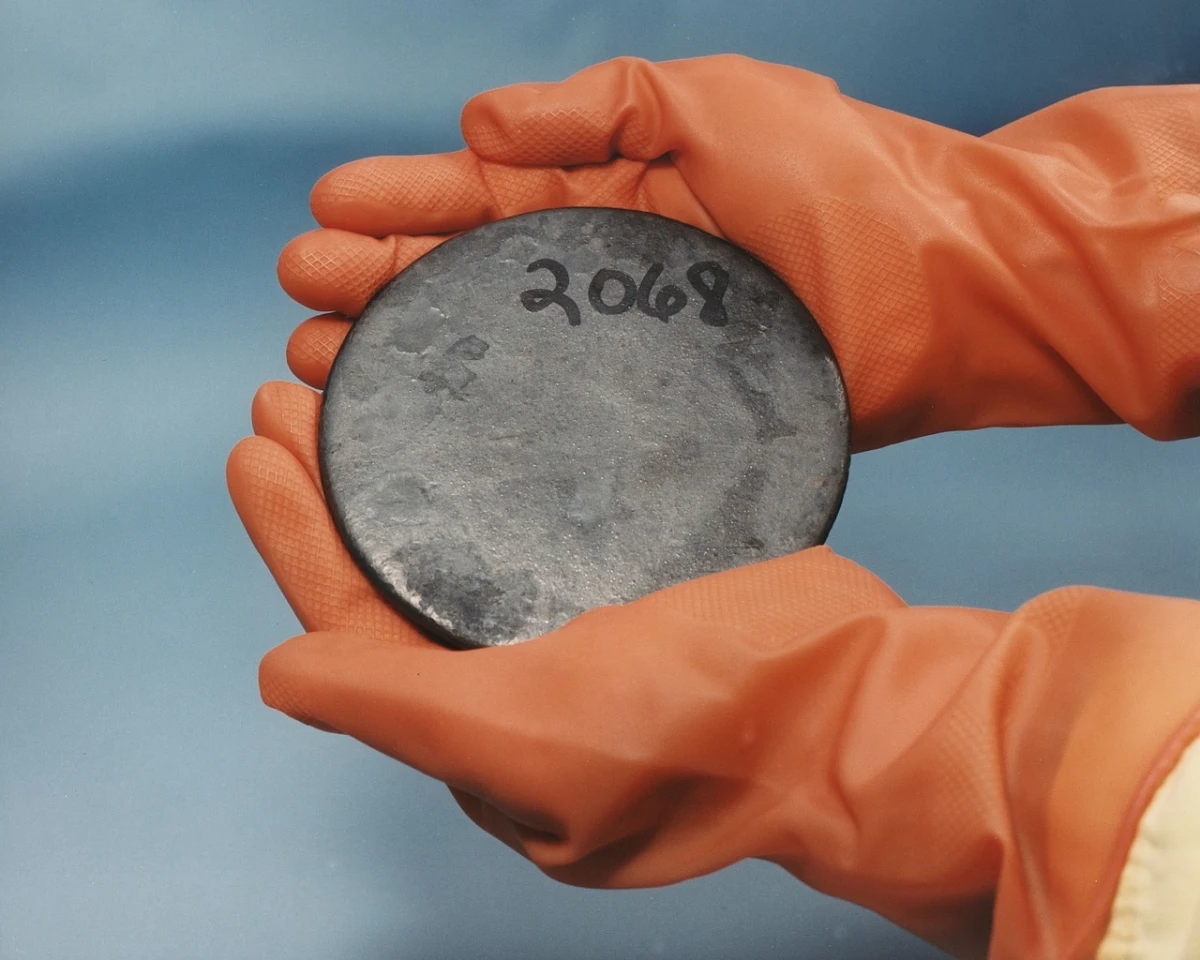
Iran has announced its readiness to export its highly enriched uranium at the request of the U.S. on the condition that the destination and storage will be China, sources from Al Arabiya reported.
According to them, before concluding an agreement with Washington, Tehran wants to receive guarantees from Beijing. High-ranking sources from Al Hadath confirmed the information about Iran's agreement to hand over uranium.
On May 24, The New York Times (NYT), citing three Iranian officials, reported that the fate of enriched uranium would be discussed with the U.S. within 30–60 days. In turn, two American officials told the newspaper that the deal involves Tehran's complete abandonment of its existing stocks, but the mechanism for how exactly it should dispose of them is still under discussion.
U.S. President Donald Trump insists that the U.S. take nuclear materials under its control and is even considering sending American special forces to Iran to search for them.
Russia had previously offered to take enriched Iranian uranium for storage or processing. President Vladimir Putin shared this idea with Chinese President Xi Jinping during a meeting in Beijing on May 20. He had earlier tried to convince Trump of this as well, but the latter refused, Axios sources reported. "The U.S. position is that we need to see that the uranium is under reliable control," an American official explained to the publication.
According to the International Atomic Energy Agency (IAEA), Iran possesses about 440 kg of uranium enriched to 60%, which is enough to create more than 10 nuclear bombs in the future. Israeli Prime Minister Benjamin Netanyahu had previously warned that, like Trump, he would not consider the war over until all these stocks are removed from the Islamic Republic.
Currently, there is a ceasefire between Iran and the U.S. with Israel. The day before, sources from NYT and The Washington Post reported that the parties had come close to a deal. In particular, they reached a "principled" agreement on the opening of the Strait of Hormuz and developed a draft memorandum of understanding that would allow for the extension of the ceasefire for 60 days with the aim of concluding a "final agreement" to end the war, The Moscow Times reports.