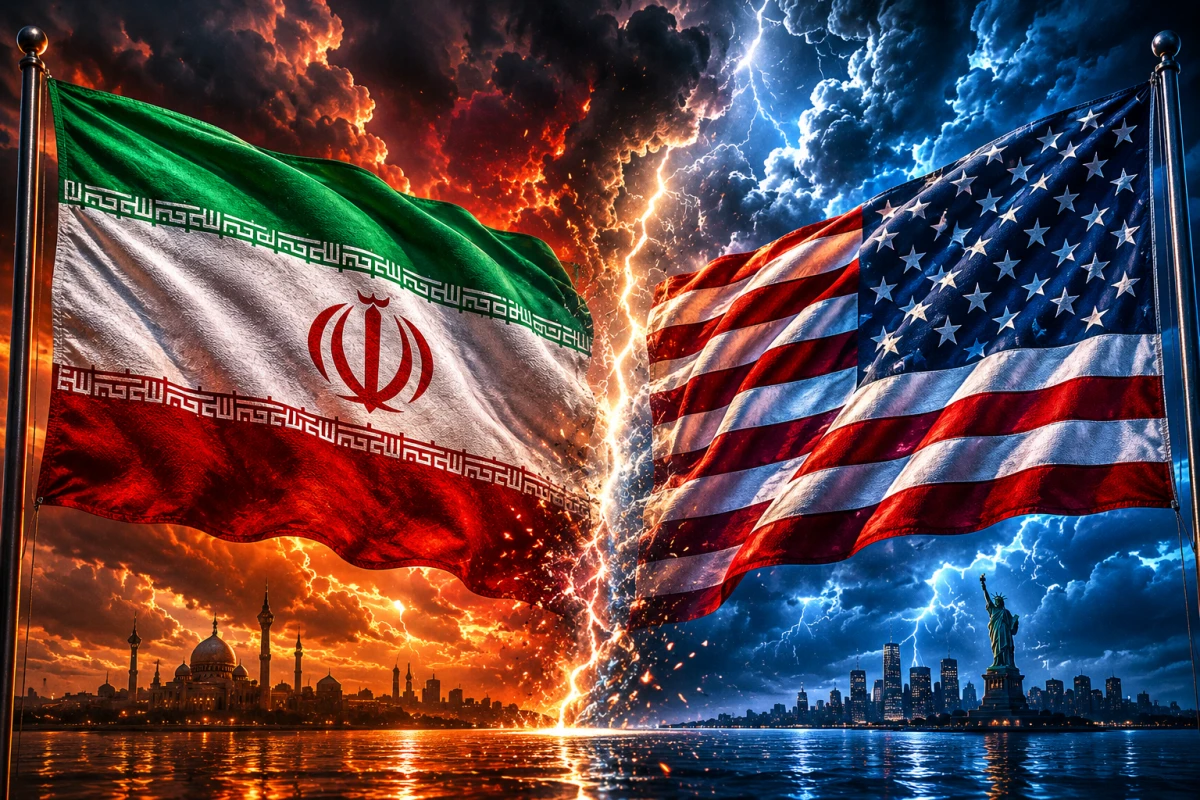
Tehran is considering the latest U.S. proposal for conflict resolution but accuses the U.S. of pressure and a contradictory position. Against this backdrop, American media report that the White House does not rule out new strikes against Iran.
Iranian authorities stated that they continue to engage in negotiations with the U.S. despite serious disagreements and the threat of renewed military escalation.
Iran's Foreign Minister Abbas Araghchi, during a conversation with UN Secretary-General António Guterres, accused Washington of "repeatedly betraying diplomacy" and making excessive demands.
According to the head of Iran's Foreign Ministry, Tehran continues the diplomatic process despite "military aggression against Iran" and conflicting signals from the U.S.
Meanwhile, American media outlets Axios and CBS News, citing sources, reported that the Donald Trump administration is considering the possibility of new strikes against Iran if negotiations fail.
Trump himself previously stated that the situation is "between an agreement and a resumption of strikes." This indicates how tense the negotiations remain even amid ongoing diplomatic contacts.
U.S. Secretary of State Marco Rubio stated that there is "some progress" in the negotiations, but key issues remain unresolved.
"We are dealing with a very complicated group of people. And if that doesn't change, the president has made it clear that he has other options," Rubio said on the sidelines of the NATO conference in Sweden.
For the global economy and oil markets, such statements are particularly sensitive, as any new escalation around Iran could quickly impact oil supplies and the situation in the Middle East.
Amid attempts to reduce tensions, the Chief of Army Staff of Pakistan, Asim Munir, arrived in Tehran. Pakistan is acting as a mediator in the diplomatic contacts between the parties.
During the meeting with Araghchi, diplomatic efforts to prevent further escalation were discussed, Iranian state media reported.
However, the Iranian Foreign Ministry emphasized that the visit of the Pakistani side does not indicate an imminent breakthrough. According to the ISNA agency, there are still "deep and wide" disagreements between Tehran and Washington.
Additionally, on Friday, a delegation from Qatar, which is also involved in mediation contacts in the region, held negotiations with the Iranian side.
The situation remains uncertain: the parties continue negotiations, but at the same time, there is an increasing talk of a possible return to a forceful scenario.