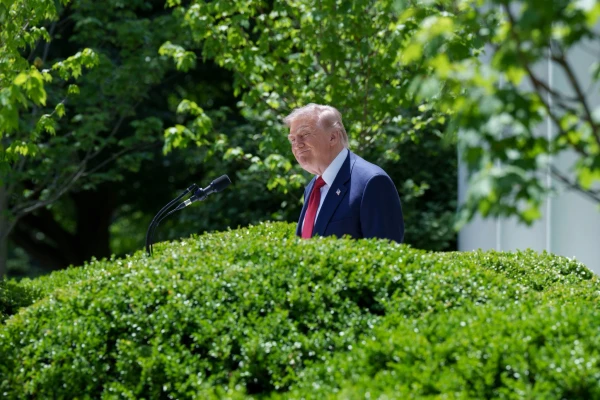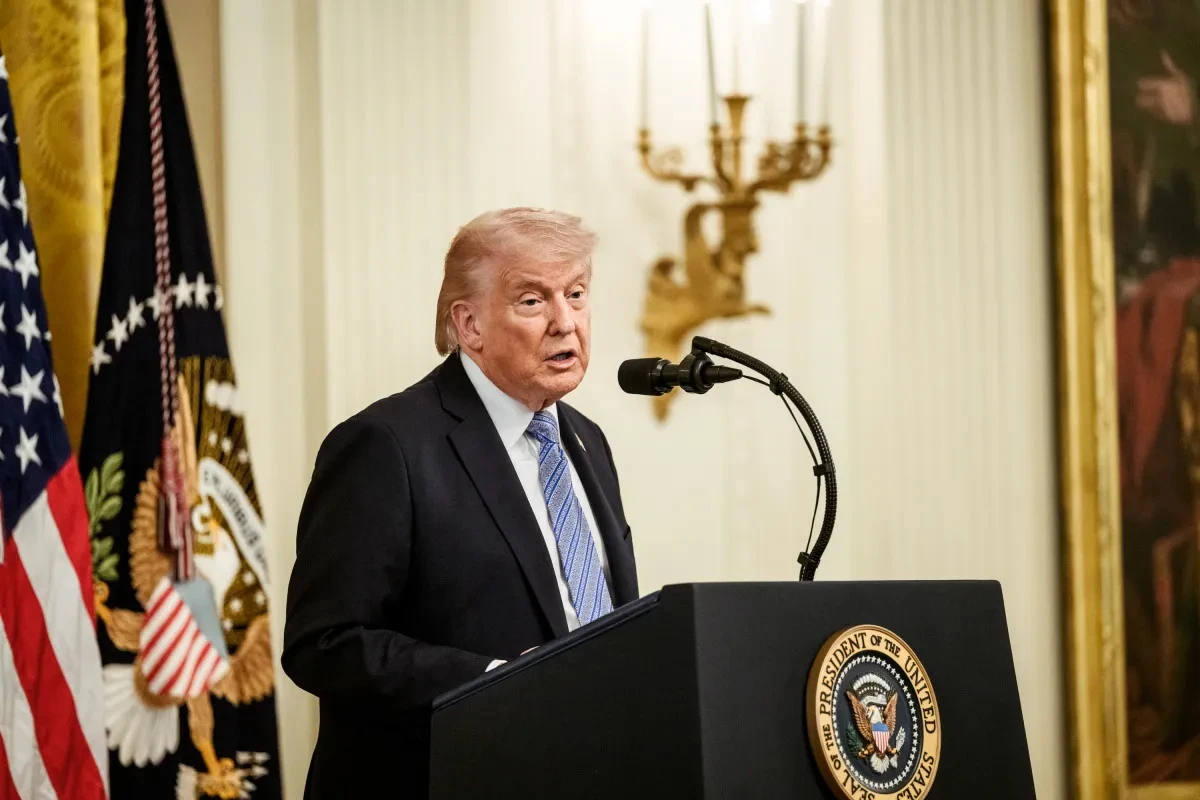
U.S. President Donald Trump sharply criticized Iran's response to the American draft agreement to end the war, calling it "absolutely unacceptable."
U.S. President Donald Trump rejected Iran's proposals to end the war, calling the Iranian response "absolutely unacceptable."
Axios notes that in a phone comment on Sunday, Trump stated that he would reject Iran's response to the latest draft agreement to end the war.
The publication adds that the U.S. had been waiting for Iran's response for 10 days, which arrived on Sunday. The White House had hoped that Iran's position would demonstrate further progress towards reaching an agreement, but Trump's initial reaction indicates otherwise.
"I don’t like their letter. It’s inappropriate. I don’t like their response," Trump told Axios, declining to go into details about the content of the response.
"They have been attacking many countries for 47 years," he said.
Following the Axios comment, Trump announced his position on the social media platform Truth Social.
"I just read the response from the so-called 'representatives' of Iran. I don’t like it — it’s absolutely unacceptable."
Iranian state media reported that Iran's response focused on ending the war and securing guarantees, primarily that it would not resume.
It was noted that the text from Iran "emphasizes the need to lift U.S. sanctions, end the war on all fronts" and ensure Iranian control over the Strait of Hormuz. Iran demanded an immediate end to the U.S. maritime blockade following the signing of the agreement.
The response retained the proposed format of the initial memorandum of understanding, followed by 30 days of negotiations, and Iran emphasized the lifting of U.S. sanctions on Iranian oil sales during this 30-day period. Iran also demanded the unfreezing of frozen assets immediately after the agreements were signed.
Axios notes that these conditions, if confirmed, are far from what American negotiators had hoped for. Iranian state media did not specify what concessions Iran is willing to make in the nuclear sphere.
An Iranian media source, meanwhile, noted: "...no one in Iran writes proposals to please Trump. The negotiating team must prepare proposals solely with the rights of the Iranian people in mind..."
In the Axios publication, it is added that Trump did not provide a clear answer on whether he intends to continue negotiations or possibly prefer further military actions.
What preceded: On Saturday, the naval forces of the Islamic Revolutionary Guard Corps (IRGC) warned that any strike on Iranian oil tankers or commercial vessels would result in a "massive attack" on one of the American bases in the region and on "hostile ships," despite the shaky ceasefire.
Media reported that negotiations between the U.S. and Iran could resume next week in Islamabad.
Negotiations between the U.S. and Iran remain at risk of collapse, bb.lv writes. Tehran's demands for the lifting of sanctions, control over the Strait of Hormuz, and guarantees to end the war show that the parties are still far from compromise, and the risk of further escalation in the region remains high.