The head of European diplomacy, Kaja Kallas, sharply criticized Vladimir Putin's proposal to appoint former German Chancellor Gerhard Schröder as the EU representative in negotiations with Russia. Brussels believes that Moscow is trying to use Schröder's long-standing ties with the Kremlin to influence the European position.
The European Union rejected Vladimir Putin's proposal for former German Chancellor Gerhard Schröder to represent the EU in possible negotiations with Russia.
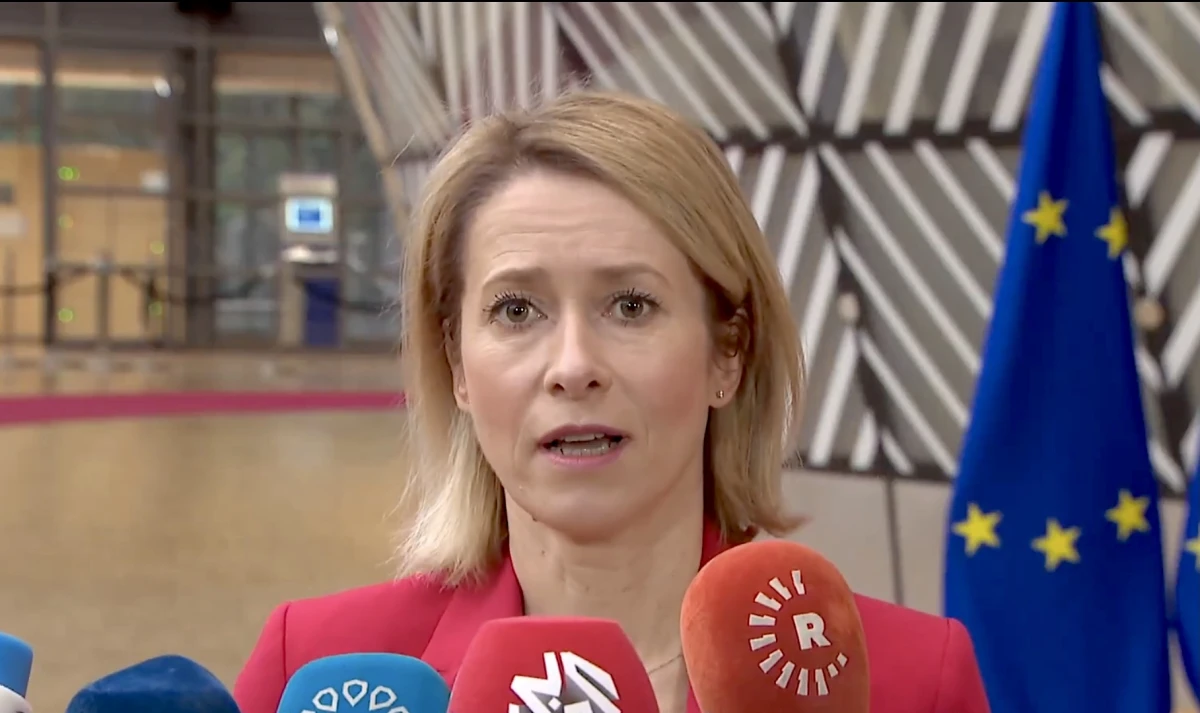
The EU's High Representative for Foreign Affairs and Security Policy, Kaja Kallas, reacted sharply.
"If we give Russia the right to appoint a negotiator on our behalf, it would not be very wise," she stated before a meeting of EU foreign ministers in Brussels.
Kallas directly reminded of Schröder's long-standing ties with Russian state companies.
According to her, the former German Chancellor was a "high-ranking lobbyist for Russian state companies," which is why the Kremlin would benefit from seeing him as a mediator.
"In fact, he would be sitting on both sides of the table," added the head of European diplomacy.
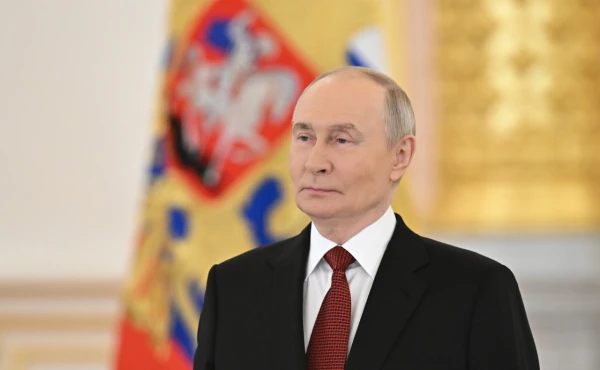
The topic of possible negotiations with Russia has been actively discussed again after Putin stated on Saturday that he would "personally" prefer to see Schröder as the representative of the European Union.
In Germany, these words were met with extreme coldness.
Sources in the German government stated that they consider such proposals part of the usual Russian tactic to try to divide Europe.
Berlin also emphasized that given Moscow's current position, serious negotiations seem unrealistic.
Kallas indicated that there is still no unified understanding within the EU even on the issue of possible dialogue with the Kremlin.
According to her, European countries need to first agree among themselves on what exactly they are willing to discuss with Russia.
This issue is planned to be discussed separately by the EU foreign ministers at the Gymnich meeting in Cyprus at the end of May.
The story with Schröder remains one of the most painful political topics in Germany in recent years.
After leaving the chancellorship, he took positions in Russian energy companies and maintained close relations with Vladimir Putin even after the start of the war against Ukraine.
Although this year Schröder acknowledged that Russia's invasion violates international law, he continues to oppose the "demonization of Russia" and supports the idea of resuming imports of Russian energy resources.
Amid the ongoing war, any discussions about potential mediators between the EU and Moscow are now perceived particularly sensitively in Europe.
<script async src="https://platform.twitter.com/widgets.js" charset="utf-8"></script>A busy day ahead as Foreign Ministers gather in Brussels.
— Kaja Kallas (@kajakallas) May 11, 2026
On today’s agenda:
🔹 The Western Balkans, strengthening our partners’ resilience.
🔹 Russia’s war against Ukraine, including new sanctions on those responsible for the deportation of Ukrainian children.
🔹 The Middle… pic.twitter.com/xBqhax2sGh