Poland and Lithuania offer the U.S. a new foothold: the countries are ready to accept troops withdrawn from Germany and strengthen NATO's eastern flank. This was stated by Polish President Karol Nawrocki at a press conference on Wednesday during joint exercises in Lithuania.
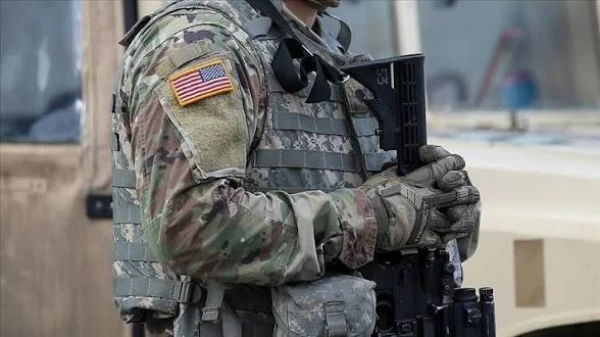
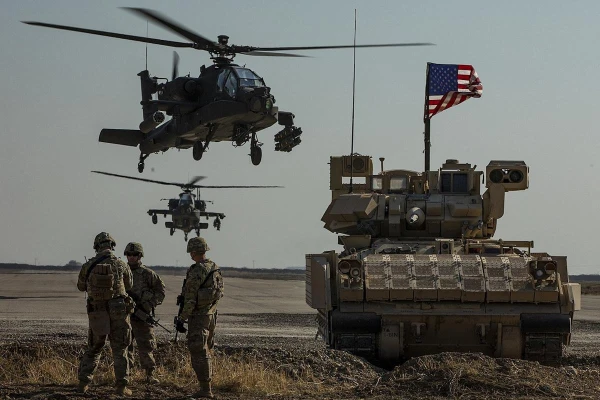
Last week, the U.S. administration decided to withdraw 5,000 servicemen from Germany, stationed at various bases as part of NATO structures and bilateral U.S.-German agreements. The withdrawal is expected to take place within 6–12 months, and, as stated by the U.S. President, this number may be increased.
The decision by the Trump administration raises questions about how the further reduction of American forces in Europe will affect the defense of the region, especially on NATO's eastern flank.
Nawrocki: "We in Poland are ready to accept American troops"
Polish President Karol Nawrocki met on Wednesday with his Lithuanian counterpart Gitanas Nausėda during joint military exercises involving Poland, Lithuania, Portugal, and the U.S. At a press conference, responding to a question about whether Trump's decision would affect troop numbers on the eastern flank, he emphasized that even if part of the contingent is withdrawn from Germany, American forces must remain in Europe.
"If U.S. President Donald Trump decides to reduce components of American troops in Germany, we in Poland are ready to accept American troops. We have the necessary infrastructure, and it is in the interest of Poland, Lithuania, and the Baltic states to have as many American troops stationed here as possible," Nawrocki said.
According to him, the presence of American troops in Europe "increases the level of security," and this is understood by everyone—"regardless of political views."
The position of the Polish president was supported by the Lithuanian president.
"For our part, I declare that we are ready to accept such units and are already enhancing our infrastructure to accommodate as many military personnel as possible," Nausėda said.
Could the troops withdrawn from Germany end up in Poland?
Donald Trump's decision, which experts note was a direct response to Friedrich Merz's criticism of U.S. actions in Iran, has sparked speculation about the legality of withdrawing American troops stationed in Germany. It remains unclear whether the soldiers will return to the U.S. or stay in Europe. However, as Deputy Minister of National Defense Pawel Zalewski reported earlier this week to RMF24, negotiations are underway with the Pentagon regarding the possible transfer of part of the contingent from Germany to Poland.
"I do not want to confirm or deny this right now. This is not the time for comments—we must wait for the Pentagon's decision. On the other hand, our intention is to strengthen American capabilities in Poland and on the eastern flank as a whole," he said.
The withdrawal of American troops from Germany, initiated by the Trump administration, is causing diplomatic disagreements. However, the NATO treaty does not specify the exact number of American servicemen that should be stationed in Europe. According to the latest U.S. National Defense Strategy published on January 23, the main priorities for Washington remain the defense of U.S. territory and the containment of China. Europe, on the other hand, is viewed as a secondary priority.
NATO's Eastern Flank: Europe Tightens Ranks
Europe is now intensifying cooperation by forming new defense partnerships. Earlier this week, Donald Tusk announced that an agreement between Poland and the United Kingdom will be signed on May 27, one of the key points of which will be defense.
Karol Nawrocki also strengthened cooperation with the Lithuanian president during the Brave Griffin 26-II exercises. According to him, he and Nausėda will soon participate in a summit of the Bucharest Nine countries.
"I firmly believe—and we discussed this with the president—that the B9 group, according to our plans, will expand to include Scandinavian countries," he said.
Gitanas Nausėda, for his part, noted that there are currently over a thousand American servicemen stationed in Lithuania and expressed hope for further increases in their numbers.
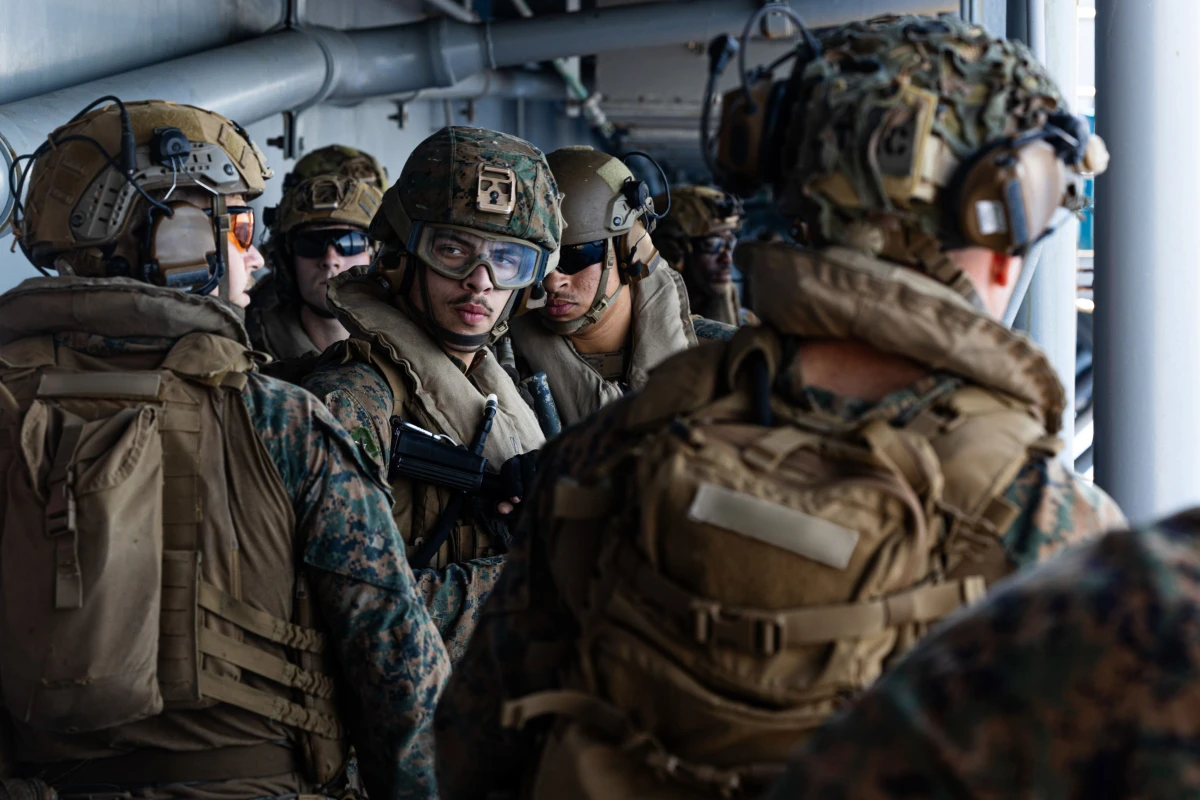
The joint exercises are aimed at preparing units to interact with NATO forces in defensive operations.
"NATO's eastern flank has become a theater of intensive Alliance exercises, which demonstrates Poland and Lithuania's serious approach to threats and the allies' readiness to provide an adequate response," President Karol Nawrocki stated at the press conference.
He also emphasized that a key task in the defense sphere remains maintaining a high level of defense spending.