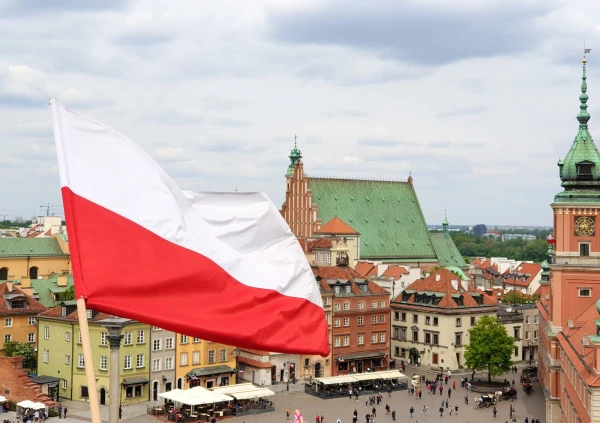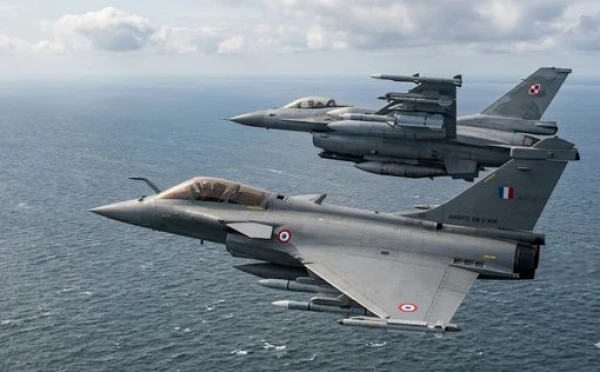
France and Poland intend to conduct large-scale military exercises over the Baltic Sea and northern Polish territories. The maneuvers will simulate strikes on strategic targets in Russia and Belarus.
Following the negotiations between President Emmanuel Macron and Prime Minister Donald Tusk in Gdansk, the parties are moving towards the practical implementation of the updated defense doctrine. According to a publication by the Polish newspaper Rzeczpospolita, the scenario allocates roles among allies as follows: Polish pilots on F-16 fighters will provide reconnaissance and target suppression using precision weapons (JASSM-ER missiles), while French aviation will practice the use of ASMP missiles with nuclear warheads.
This step is a direct consequence of the "active deterrence" strategy that Macron presented on March 2, 2026, at the Île-Long submarine base. At that time, the French leader officially proposed to extend Paris's nuclear umbrella to European allies. Under the terms of the agreement, French aircraft carrying nuclear arsenals will periodically enter Polish airspace; however, the exclusive right to make the decision for a real launch will remain with the President of France.
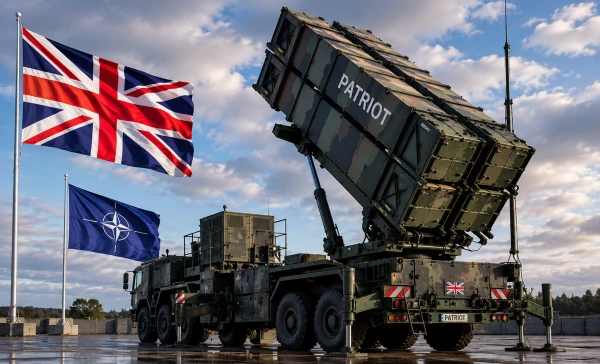
One of the key features of the emerging Polish-French wing is its high autonomy from NATO's bureaucratic structures. This will allow Paris and Warsaw to make operational decisions much faster, bypassing lengthy approvals at the alliance's headquarters.
In light of regular threats from Moscow to use nuclear weapons against Europe, experts note a significant imbalance of power. Currently, France's nuclear arsenal consists of about 290 warheads, while the stockpiles of the Russian Federation are estimated at approximately 5,500 units. Nevertheless, involving Poland in French nuclear missions is seen as a signal of Europe's readiness for independent deterrence without relying on Washington's position.