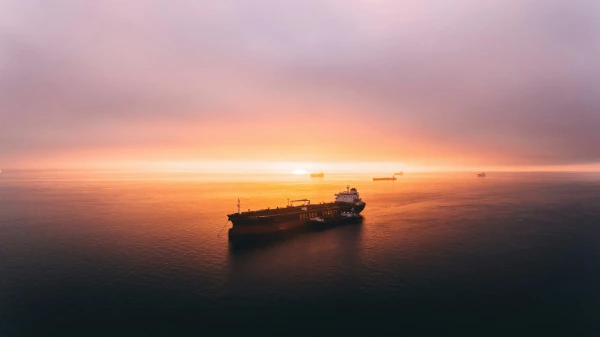
The UK, despite its tough rhetoric regarding the circumvention of energy sanctions, refrains from arresting Russian tankers in its waters. As reported by The Times, the government fears that the fight against the 'shadow fleet' would impose an unbearable burden on taxpayers' budgets.
According to sources from the publication, the cost of maintaining just one detained tanker could amount to tens of millions of pounds sterling for the state. This sum includes expenses for secure mooring, vessel maintenance, crew wages, and, importantly, insurance against environmental risks. Given that many vessels of the 'shadow fleet' are in poor technical condition, any accident during convoying could lead to an environmental disaster, for which London would have to pay for the cleanup.
Moreover, a significant portion of the expenses consists of legal costs. Shipowners, often hidden behind a chain of offshore companies, can contest arrests in court for years. During this entire time, the vessel must remain in port under the supervision of British authorities.
The issue of the legality of such operations under international law has also been raised. Representatives of the Royal Navy have expressed concerns that forcibly stopping vessels in international straits or exclusive economic zones without substantial evidence of a crime could be regarded as a violation of freedom of navigation.
Thus, at the current moment, the British strategy for combating Russian oil exports remains predominantly administrative and sanction-based, limited to adding specific vessels and companies to 'blacklists' without moving to active actions at sea.