The numbers begin to speak louder than words.
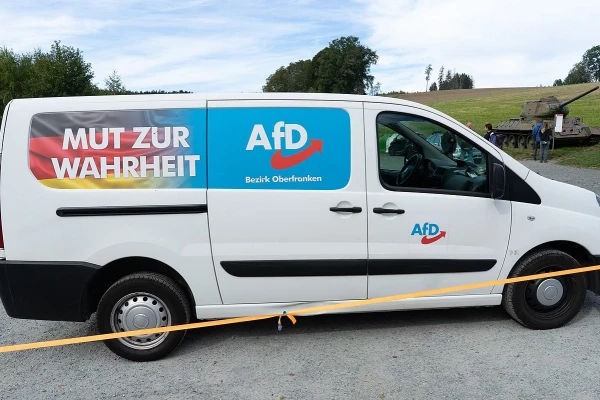
The moods of German voters are changing rapidly. The ruling coalition of CDU/CSU and SPD, which recently received a mandate of trust, is already facing a decline in ratings and continues to lose voter support. According to media reports, a recent INSA poll for Bild showed that AfD has taken the lead with 26%.
Thus, Chancellor Merz's party has once again fallen behind the Alternative for Germany. The gap is minimal — just 1% — but the fact itself is symbolic: the ruling force is yielding to the opposition. When this percentage separates the ruling party from the opposition unfavorably, the numbers begin to speak louder than words.
The junior coalition partner — SPD — has also declined. The Social Democrats garnered 13%, losing one point in a week. This means that both ruling parties are simultaneously losing support. Together, CDU/CSU and SPD account for 38% — less than the combined total of the Alternative for Germany and the Greens.
The INSA poll was conducted among 1,199 respondents. The maximum margin of error is plus or minus 2.9 percentage points. This means that the actual gap between the Alternative for Germany and CDU/CSU could be larger, smaller, or even nonexistent.
Of course, it is worth remembering: any poll reflects sentiments only at the moment of data collection. It is not a forecast of election results, but a snapshot of public opinion. But as of now, spring 2026 is turning out to be quite a cold shower for the German government.