55% of Russians opposed the restrictions.
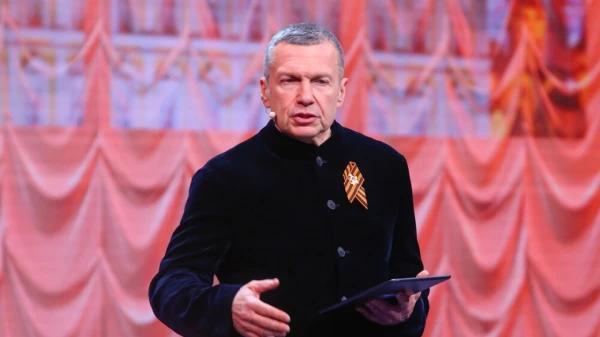
The number of views on posts in propaganda channels collapsed after the start of Telegram blockages in Russia, according to data from the TGStat service. The audience of the channel "Kremlin. News" fell the most, losing 68.1% of active readers. Margarita Simonyan saw a decrease of 52.3%, while propagandist Alexander Sladkov experienced a drop of 49.4%. "RT in Russian" had a 42% decrease in views, and propagandists Vladimir Solovyov and Pavel Zarubin saw declines of 47.2% and 42.7%, respectively. "RIA Novosti" and "Tsargrad" lost 43.9% and 41.2% of their audience, while pro-Kremlin channels Mash, Baza, Shot, and Z-channels "Two Majors," "Rybar," and "Operation Z: War Correspondents of the Russian Spring" lost between 31.9% and 36.3%.
At the same time, the audience of independent or opposition media, whose readers have long used VPNs to bypass blockages, has hardly decreased: the "Russian Service of the BBC" saw a decline of only 9.1%, "Meduza" dropped by 3.7%, and the Astra channel lost 1.6%.
According to a survey by the Levada Center, in March, 55% of citizens opposed the restrictions on Telegram and WhatsApp (in August, supporters outnumbered opponents — 49% to 41%). The blockages also contributed to a rise in interest in VPNs: over the year, the share of those who know nothing about such services decreased from 32% to 23%, while the share of informed citizens increased from 31% to 38%.
As sources from "Vyorstka" note, the curators of the Kremlin's internal policy are in "panic" because they are unable to "sell" Russians a complete "Chебурнет." Sources told the publication that the presidential administration opposed the restrictions, but the decisions were lobbied by the FSB and adopted by the Security Council.
According to a March survey by VTsIOM, the blockages hit the authorities' ratings: the approval rating of Vladimir Putin's activities and trust in him fell to a minimum since the start of the war, while support for "United Russia" reached its lowest level since December 2021.
Against this backdrop, the authorities are moving to the next stage — the fight against VPNs. On March 28, Minister of Digital Development Maksut Shadaev discussed with operators the introduction of fees and fines for using means to bypass blockages, not excluding administrative liability for users. According to sources at Forbes, the initiative comes from a closed directive from Putin.