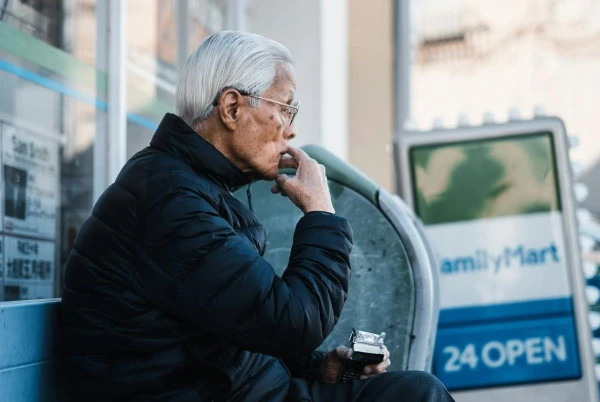
One in five German seniors has an income that does not reach 60% of the average level in the country.
Wendy Rogers, a resident of eastern England, was confident just a few years ago that she could retire at 66. However, as she admits today, the situation has changed. The rapid rise in the cost of living forces her to continue working. On the other hand, uncertainty about pension savings creates additional pressure. As a result, she is no longer sure that a complete exit from working life is possible without losing her accustomed level of comfort.
Wendy notes that her decision is based not only on personal expenses. She is concerned about family stability and the ability to spend time freely with her grandchildren. For her, a later retirement has become a necessity rather than a voluntary choice.
Additional Work as a Way to Stay Afloat
Today, Wendy continues to work part-time in cosmetics sales and earns about 1170 euros a month. This money helps cover expenses for vacations and trips. Although her family has been saving for years, the constant rise in prices has weakened their sense of financial security. The increase in energy and food prices has become one of the key factors changing her plans.
Many people find themselves in a similar situation: even with savings, anxiety about the future grows. This is particularly true for those who are unsure whether they will be able to maintain their usual lifestyle in old age.
Germany: The Share of Elderly Living in Poverty is Rising
The issue of financial risks in retirement age is also relevant in Germany, confirms focus.de. According to humanitarian organizations, today about one in five people over the age of 75 is at risk of poverty. This means that their income does not reach 60% of the average level in the country. In 2024, this threshold for a single person was about 1381 euros per month after taxes.
The situation is most difficult for single elderly women. Firstly, many of them earned little during their active working years. Secondly, they often interrupted their careers to raise children. As a result, their pension payments are significantly lower. Consequently, many are forced to seek basic social support, housing benefits, or assistance from volunteers.
Why Pensioners Continue to Work
On one hand, elderly people strive to maintain activity and independence. On the other hand, the necessity for additional income is becoming increasingly common. The number of those who work even after retirement to maintain financial stability is growing. Retirement in Europe is no longer an easy decision.