

Stricter measures are also necessary in Europe to find the lost balance, says the expert.
Australia has become the first country in the world to ban the use of social media for all individuals under the age of 16. In 2026, at least Malaysia plans to introduce a similar broad ban on social media for youth.
Across Europe, stricter age restrictions on social media use are also being discussed. In Finland, several politicians, including Prime Minister Petteri Orpo, have expressed support for the idea of banning social media for youth.
European countries should follow Australia’s example as soon as possible, says Dutch professor of law and economics Miriam Buiten in a video interview with the Finnish portal Yle.
She refers to numerous studies showing how prolonged time spent on social media and exposure to harmful content negatively affect the mental health of children and adolescents.
"The business model of social media platforms is to keep users, including children, on their services for as long as possible. We need a solution that breaks this vicious cycle," Buiten says.
She compares it to how different countries restrict alcohol consumption and access to gambling among teenagers, so why not restrict addictive social media as well?
Buiten holds the position of professor at the University of St. Gallen in Switzerland and is a researcher at the Cerre think tank in Belgium, which studies technology regulation in the EU.
Elon Musk Outraged by Huge Fines from the EU
The professor does not consider a complete ban to be fundamentally the best solution. In an ideal situation, in her opinion, platforms could be regulated in such a way that the influence of social media on young users is predominantly positive.
However, currently, she says, the negative aspects of social media prevail.
"Regulation has existed for years, but significant changes are not observed," Buiten states.
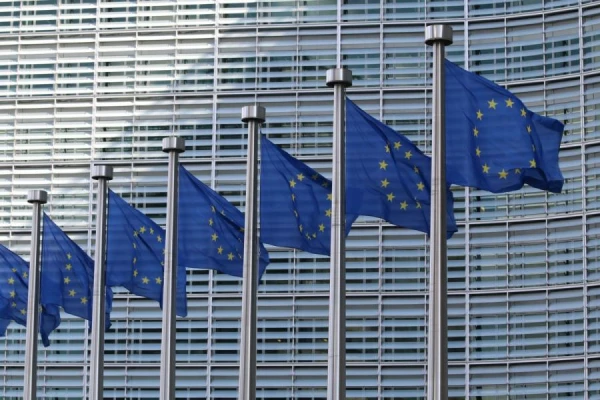
Buiten specifically refers to the EU's Digital Services Act (DSA), which came into effect in 2022, aimed at regulating online services and platforms with respect to the rights of European users.
The EU applied this law on a more serious scale for the first time this month when it imposed a fine of 120 million euros on the service X for issues related to user verification and transparency.
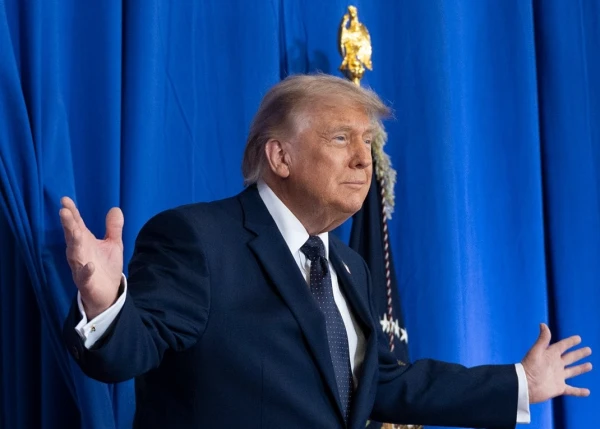
Billionaire Elon Musk, who owns X, reacted strongly to the fines and demanded, among other things, the abolition of the entire EU. U.S. Secretary of State Marco Rubio called the fines on X an "attack" on all American tech companies and citizens.
The reactions show that regulated entities generally do not respond favorably to such measures. In Australia, social media has also opposed the new age restrictions, and Reddit has taken the issue to the country's Supreme Court.
Social Media Bans Already Planned Across Europe
Compared to the current EU legislation, the recently implemented Australian model, according to Professor Buiten, is more specific and detailed, making it easier to apply in practice.
In Australia, the companies running social media are required to enforce the new age restriction under the threat of huge fines. Children or their guardians cannot be punished.
"European rules need to be more 'toothy' to have a real impact," believes Buiten.
According to her, this is primarily about protecting the rights of EU citizens, not limiting the activities of foreign companies. However, the most popular social and tech services are American and Chinese.
"These platforms are conducting a large-scale experiment on people. They have embedded themselves in our lives by offering seemingly useful services, but these platforms have taken such a large part of our daily lives that it makes sense to subject them to proper oversight," Buiten says.
Bans Face Criticism
The adult population in many countries supports age restrictions for social media, but many young people disagree with them. The positive aspects of social media for youth include communication, learning, self-expression, and finding like-minded individuals.
In Australia, the Supreme Court is set to hear a lawsuit against the social media ban filed by two teenagers. Organizations advocating for children's rights are calling for stricter regulation of the activities and algorithms of social media platforms instead of outright bans.
"Complete bans ignore the rights and voices of youth and punish young people rather than the platforms," write British sociology professors Jessica Ringrose and Rebecca Coleman.
According to Professor Buiten, interviewed by Yle, a better alternative to a complete ban would be to mandate limits on the time youth spend on platforms, as well as the quality and quantity of content they consume.
However, she says, the corporations behind social media are not particularly interested in such measures.
"We have seen the same behavior model with tobacco companies. They also resisted regulation because it harms their business. Therefore, decision-makers need to step in and force companies to comply.
In Europe, stricter measures are also necessary to find the lost balance, says Buiten.
"Freedom of expression is not the only right of children that needs to be protected. They also have the right to protection from the harm caused by social media.







Leave a comment