
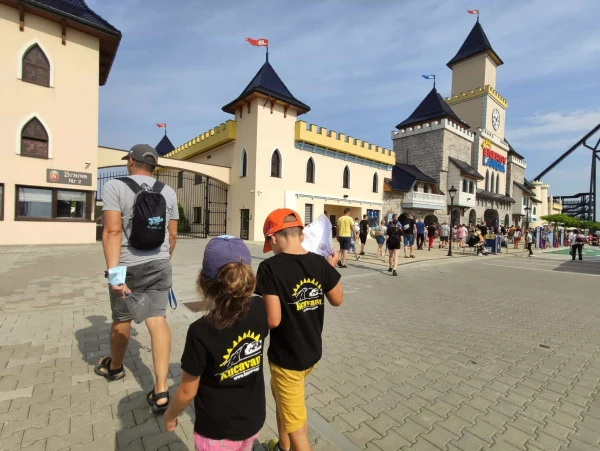
In only one major city in the country — Rzeszów — did the number of births exceed the number of deaths.
Poland continues to experience a sharp decline in the number of births, which experts estimate could lead to serious socio-economic consequences in the medium term. Demographers warn: if the current trend continues, the country will face accelerated population aging, a labor shortage, and an increasing burden on the social services system.
As specialists note, the total fertility rate must be 2.1 children per woman for simple population replacement. In Poland, this figure has dropped to about one — the lowest level since World War II.
"In Poland today, there is an average of about one child per woman. This is a historical minimum," emphasizes economist Ewa Cukrowska-Torzejska from the University of Warsaw.
According to the Central Statistical Office (GUS), in the first half of 2025, only in one major city — Rzeszów — did the number of births exceed the number of deaths. In certain gminas and poviats, as demographers indicate, not a single child is born throughout the year. In 2024, Poland's population decreased by nearly 157,000 people, and if the trend continues, the country could lose about 18% of its residents in 30 years.
The consequences of the decline are already noticeable. In the last year and a half, nearly twenty maternity wards have been closed in the country. Experts warn that in the future, kindergartens and schools will be at risk, and in the longer term — the healthcare system and the labor market.
"Fewer births today means fewer doctors, nurses, and specialists tomorrow, alongside a simultaneous increase in the number of elderly patients," analysts note.
At the same time, specialists emphasize that the demographic crisis cannot be solved through administrative pressure.
"You cannot force people to have children. Only those policies that create conditions for fulfilling life plans, rather than imposing choices, are effective," says demographer Monika Mynarska from the Warsaw School of Economics.
Research shows that more than half of Poles aged 18–40 have fewer children than they would like. Among the key barriers are job instability, housing conditions, access to nurseries and kindergartens, and the uneven distribution of childcare responsibilities. Experts specifically point to the low involvement of men: paid parental leave is utilized by less than 20% of fathers — one of the worst rates in Europe.
Despite existing family support programs, including "800+" and the "Active Parent" initiative, specialists agree: it is no longer possible to completely reverse the demographic trend. However, slowing it down remains a real and necessary task.












Leave a comment