Even the highest quality ingredients can be ruined by one small mistake. Should you rinse pasta, why does broccoli become tasteless, when to add tomatoes to soup, and how to make juicy turkey? We have gathered the most common culinary blunders that prevent you from getting the most flavor and benefits from your food.
1. Rinsing pasta after cooking
This habit has been passed down from Soviet times when pasta was mainly made from soft wheat varieties. Today, most quality pasta is made from hard wheat, so rinsing is unnecessary.
Moreover, rinsing washes away the starch that helps the sauce better coat the pasta. If the pasta still sticks together, add a little olive or butter oil.
2. Frying in extra virgin olive oil
First cold-pressed oil is perfect for salads but not always for frying. At high temperatures, it loses some beneficial properties and can impart a bitter taste to the dish.
For frying, it is better to use refined olive oil or other oils with a high smoke point.
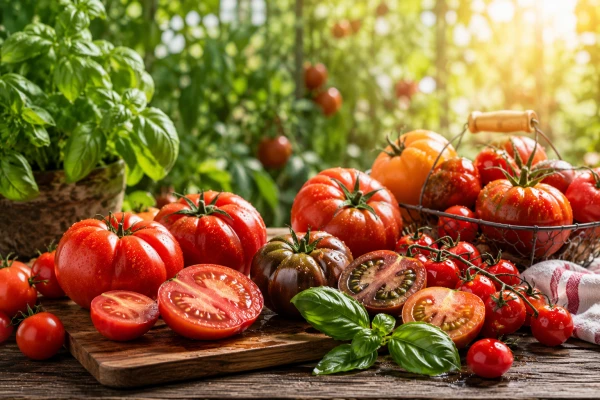
3. Adding tomatoes too early
Tomatoes and tomato paste contain acids that slow down the cooking of vegetables.
If you are making soup, first cook the potatoes, carrots, and other vegetables, and add the tomatoes closer to the end of cooking. When braising meat, the rule works the other way: the acid helps to tenderize it.
4. Boiling potatoes without a lid
Many remove the lid to prevent water from boiling over. However, when boiling vegetables, the lid helps retain more vitamins, aroma, and flavor.
Additionally, vegetables cook faster and more evenly under a lid.
5. Eating baked goods straight from the oven
Freshly baked cake smells so appetizing that it is hard to resist. But hot baked goods continue to "ripen" after leaving the oven.
If you cut it right away, the crumb may collapse and lose its structure. Moreover, the flavor is fully revealed only after cooling.
6. Pouring out unfinished wine
Opened wine does lose its aroma quickly, but that is not a reason to send it down the sink.
Red wine is great for meat sauces and braised beef, while white is suitable for poultry, fish, and seafood dishes.
7. Overcooking turkey fillet
Many believe that turkey is inherently dry. In fact, the problem is often due to cooking it for too long.
Turkey breast fillet should be fried for about 6–8 minutes or baked for 15–20 minutes. If the meat is overcooked by even a few minutes, it will lose its juiciness.
8. Overcooking broccoli
One of the most common mistakes. Overcooked broccoli turns gray-green, soft, and loses a significant amount of nutrients.
After boiling, the vegetable should be immediately transferred to cold water. This method, called blanching, helps preserve bright color, flavor, and texture.
9. Cooking liver incorrectly
Many dislike liver precisely because it is cooked incorrectly.
For a more tender taste, it is better to choose beef liver. Before cooking, it is important to remove large ducts, and it should be fried for only 2–3 minutes on each side. Overcooked liver becomes tough and dry.
10. Overloading pizza with toppings
It seems that the more cheese, sausage, and sauce, the tastier the pizza will be. In practice, it is the opposite.
Excess toppings make the dough wet and heavy. Real pizza should remain light, crispy, and easy to eat by hand.
11. Not salting fish in advance
If the fish falls apart or sticks to the pan while frying, the reason may be improper preparation.
Salt the pieces of fish 10–15 minutes before cooking. Some chefs also recommend lightly salting the oil before frying. This helps maintain shape and achieve a beautiful golden crust.
What experts say
"Most culinary mistakes are related not to the ingredients but to violations of cooking technology. Even the simplest ingredient can reveal itself in a completely new way if the correct temperature and cooking time are observed," notes chef and TV presenter Konstantin Ivlev.
According to renowned British chef Jamie Oliver, good results in the kitchen often depend on small details: "The simpler the dish, the more important it is to handle each ingredient correctly."
Cooking is all about details. Sometimes one small mistake can ruin even the highest quality ingredients, while the right approach can turn an ordinary dinner into a restaurant dish. Just remember a few simple rules, and the taste, texture, and benefits of your favorite products will reveal themselves in a completely new way.