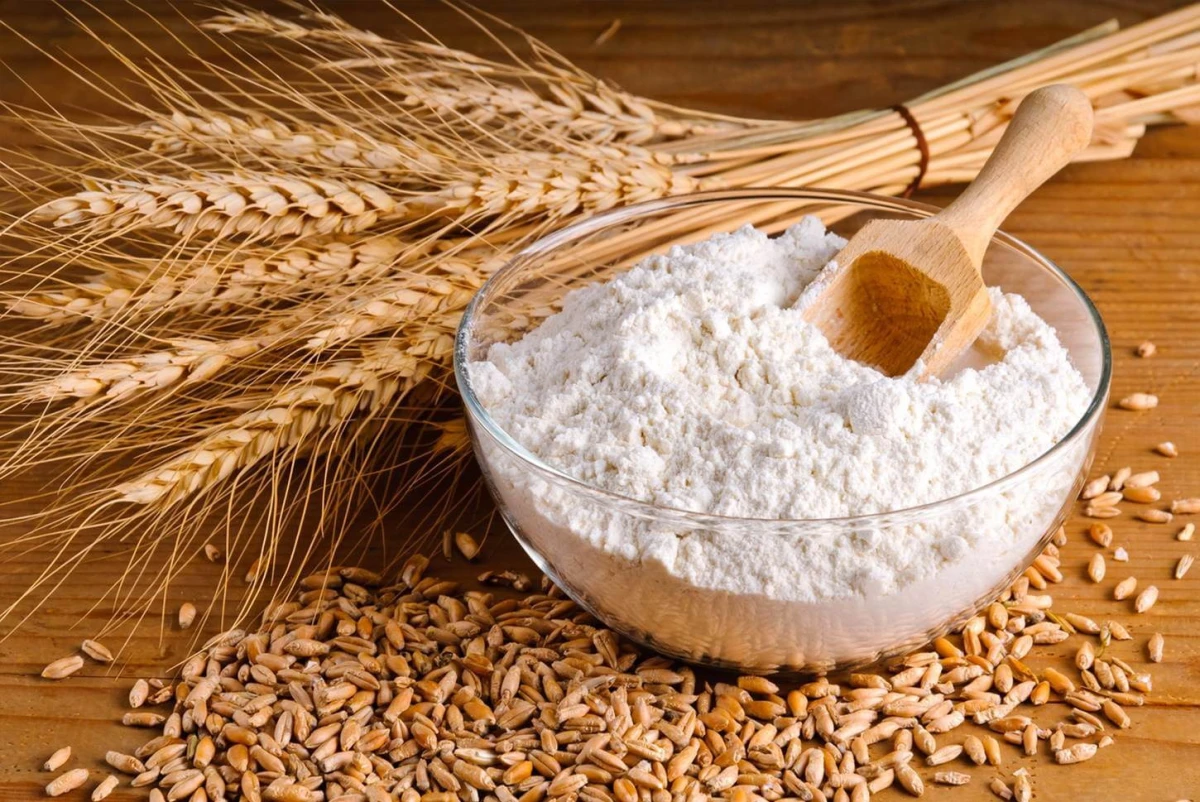
White flour is found in many familiar products — bread, pastries, pasta, and cookies. However, experts note that reducing such products in the diet can positively affect energy levels, digestion, skin condition, and even emotional background.
White flour is almost everywhere, and most of the time we don't even think about it. Bread for breakfast, pasta for lunch, a roll 'on the go', cookies with tea — all of this is perceived as ordinary food, part of the daily rhythm, rather than something that can significantly affect well-being.
But if you slow down a bit and take a closer look, it becomes clear: it is these familiar products that often shape our energy levels, feelings of hunger, skin condition, and even mood throughout the day.
Here are the changes that may occur if you give up white flour.
Energy Becomes Stable
Products made from white flour quickly raise blood sugar levels and then just as quickly lower them. As a result, many people experience familiar "roller coasters": first a surge of energy, then sudden fatigue and a desire to eat something again.
For example, you might have breakfast with toast, feel a slight boost, and just a couple of hours later — fatigue, drowsiness, and a desire to drink coffee or eat something sweet.
When such products disappear from the diet, energy becomes more stable. There are no sharp peaks and drops, and you start to notice that the day goes by without the feeling of being "knocked out" in the middle.
Decreased Constant Hunger
White flour is almost devoid of fiber, which means it does not provide lasting satiety. You seem to have eaten, but that feeling of fullness quickly disappears.
For example, after a roll or pasta, not much time may pass before you are thinking about food again, even though you recently ate.
When there are fewer such products in the diet, they are often replaced by more filling options: whole grains, vegetables, protein. And you start to feel that the desire to snack arises less often and becomes more conscious, rather than automatic.
Improved Digestion
Refined flour contains almost no fiber, which is necessary for the normal functioning of the intestines.
If you previously noticed heaviness after eating, bloating, or discomfort, this could be related to an excess of processed foods.
When these foods decrease and more whole foods are introduced into the diet, digestion gradually stabilizes. The feeling of heaviness after meals goes away, and the process of digestion becomes less noticeable.
Skin Condition May Change
The skin often reacts to nutrition, although this is not always immediately obvious.
For some people, products with white flour can exacerbate inflammatory processes, manifesting as rashes, uneven tone, or dull complexion.
Another important point is puffiness. Fast carbohydrates affect insulin levels, which, in turn, is associated with fluid retention. Therefore, after giving up white flour, many notice that their face looks less puffy in the mornings, and the contours become a bit clearer.
After giving up these products, changes do not happen instantly, but over time, the skin may become more even and "calm." For example, the number of small inflammations decreases, or a fresher appearance emerges, even without changing skincare.
Easier Weight Control
It's not just about calories, but about how certain foods affect appetite.
White flour causes sharp spikes in sugar, so the feeling of hunger returns more quickly. As a result, you may eat more than you planned, simply because your body is demanding quick energy again.
When this factor disappears, it becomes easier to notice signals of fullness. For example, you stop finishing your plate "automatically" or reaching for an extra snack less often. Weight may start to decrease on its own, even without strict restrictions.
Reduced Cravings for Sweets
Products made from white flour and sweets are often linked because they trigger a similar reaction in the body.
If the diet contains a lot of bread, pastries, or pasta, the craving for sweets usually intensifies.
After giving them up, many notice that the desire to eat something sweet becomes less intrusive. For example, previously you wanted dessert after every meal, but now it is more of a rare desire than a habit.
Stabilized Mood
Blood sugar fluctuations affect not only physical condition but also emotional well-being.
You may notice irritability, fatigue, or a feeling of being rundown after meals without any obvious reason.
When nutrition becomes more stable, this reflects on mood as well. It becomes less dependent on food, there is more internal balance, and sharp emotional swings happen less often.
Improved Concentration
When energy levels stop fluctuating, this directly affects the ability to concentrate.
For example, if you previously wanted to distract yourself, procrastinate, or simply not work after lunch, without products made from white flour, this state may weaken.
It becomes easier to maintain attention, complete tasks, and not feel constant distraction.
You Start to Understand Your Body Better
And perhaps this is the most interesting effect. When you remove a familiar product from your diet, it becomes possible to truly track its influence. Not at the level of "everyone says this is harmful," but through your own sensations.
You start to notice which foods give you more energy, after which you feel light, and what, on the contrary, makes you sluggish or irritable.
Giving up products made from white flour is not a universal solution to all health problems, but many people report positive changes within just a few weeks. A more stable energy level, reduced feelings of hunger, improved digestion, and a more conscious approach to nutrition are just some of the possible effects.
The main thing is not just to eliminate white flour but to replace it with whole grain products, vegetables, quality sources of protein, and other healthy foods that will help make the diet more balanced.