With the onset of strawberry season, advice on 'deep cleaning' berries from parasites and bacteria is once again gaining popularity on social media. Users recommend soaking strawberries in solutions of baking soda, vinegar, and even dishwashing detergent. However, biologist Vitaly Napolov considers such methods not only unnecessary but also potentially harmful.
Unwashed berries can pose various health risks. However, it is not necessary to use vinegar and especially dishwashing detergent for protection.
Strange and even unsafe advice can often be found on social media. One such piece of advice, for example, was encountered by "Doctor Peter" regarding washing strawberries, the season of which has already begun.
A user shared her method of eliminating potential parasites on the berries. The woman suggests a three-step cleaning process for strawberries: first, soak them for 15 minutes in water with dishwashing detergent or fruit wash, then hold them in water with vinegar and baking soda, and finally rinse with filtered water.
"One can endlessly argue and prove: 'Look, we, our mothers, grandmothers ate strawberries straight from the garden, and everything was great.' It wasn't great. I saw this firsthand when I had to take medication for parasites and saw with my own eyes those disgusting creatures that were eating me from the inside," the woman wrote.
As biologist Vitaly Napolov explained to "Doctor Peter," consuming unwashed strawberries, specifically garden strawberries, can indeed lead to helminthiasis, as well as intestinal infections such as rotavirus or dysentery. However, to protect oneself from these issues, one can do without complicated actions and additional chemicals.
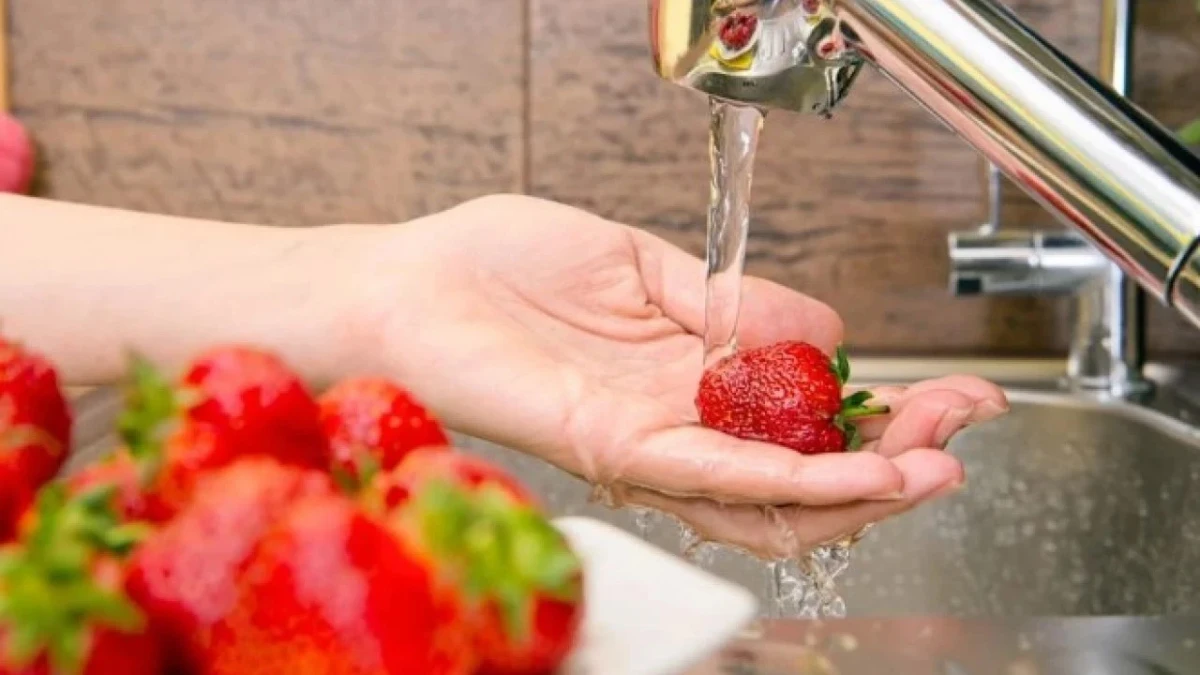
"Garden strawberries should be washed just before consumption under running water at room temperature or slightly warmer — so that it feels comfortable for the hands. If the water is too warm or hot, the berries will not last and will spoil quickly. Boiled water is also unnecessary, as tap water meets all necessary hygiene standards," says biologist Napolov.
According to the specialist, soap, baking soda, vinegar, and especially detergents are also unnecessary (these are usually used for vegetables or fruits with thick skins that are treated to extend shelf life). For example, for oranges or apples.
"Seasonal garden strawberries are not treated with anything; they go straight to sale. Moreover, the use of soap, vinegar, and baking soda affects the taste quality of the berry and is not very beneficial for the gastrointestinal tract," warned Vitaly Napolov.
According to the specialist, the danger of unwashed berries does indeed exist: contaminated strawberries can transmit intestinal infections or helminths. However, no complicated procedures are required for reliable protection. It is sufficient to thoroughly rinse the berries just before consumption under running water at room temperature.