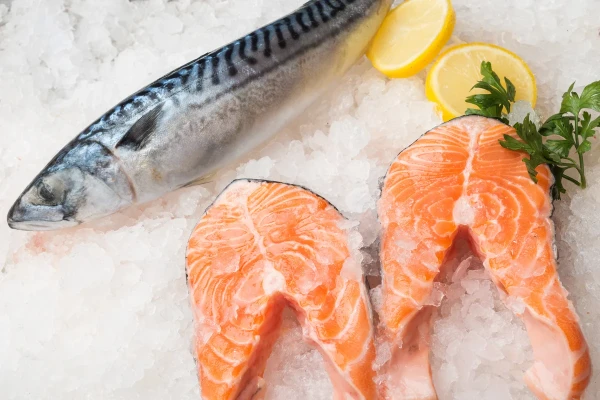
Mackerel and salmon are considered among the main sources of omega-3 fatty acids among marine fish. Both products are beneficial for the heart, brain, and blood vessels, but their nutritional compositions differ significantly.
According to the American Heart Association, it is recommended to include fatty fish in the diet at least twice a week to maintain cardiovascular health.
Benefits of Fatty Fish
Omega-3 fatty acids play a key role in the functioning of the body. They help reduce inflammatory processes, support circulation, and have a positive effect on the nervous system.
Since the body does not produce them in sufficient quantities, it is necessary to obtain these substances from food.
Comparison of Composition
Mackerel has a higher content of fats and trace elements. A serving of about 85 g contains approximately 20 g of protein and up to 15 g of fat, as well as magnesium, phosphorus, and potassium.
Salmon, on the other hand, contains slightly more protein and less fat — about 21.6 g of protein and 6.9 g of fat per similar serving. At the same time, it provides the body with potassium and a number of vitamins.
Where More Omega-3 Is Found
The main difference between these types of fish is in the amount of omega-3 fatty acids.
- Mackerel: approximately 2.5–5 g per 100 g of product
- Salmon: about 1.5–2.5 g per 100 g
Thus, mackerel usually contains more omega-3, although the figures may vary depending on the conditions of farming and the fish's diet.
Additional Benefits
Regular consumption of fatty fish can:
- support joint and bone health;
- improve brain blood supply;
- help normalize blood pressure;
- reduce the risk of thrombosis;
- support vision and the functioning of the nervous system.
What to Pay Attention To
Despite the benefits, it is important to consider individual characteristics. Fish can cause allergic reactions, and the purines contained in it can raise uric acid levels, which is important in gout.
It is also worth paying attention to the freshness of the product: improper storage can lead to food poisoning.