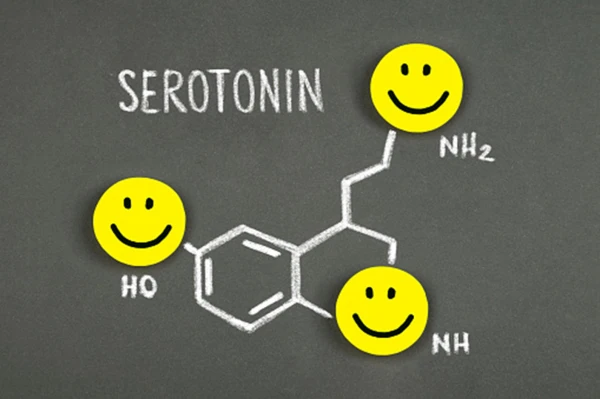
Serotonin plays a key role in regulating mood, emotional state, and overall well-being. A decrease in its levels may be associated with the development of depression, anxiety, and other psycho-emotional disorders.
This was reported by dietitian and professor Oleg Shvets.
What is Serotonin
Serotonin is a neurotransmitter that partially functions as a hormone. It transmits signals between nerve cells in both the central and peripheral nervous systems.
This substance affects memory, learning, feelings of satisfaction, and also regulates sleep, appetite, body temperature, and behavior. Its deficiency is associated with mood deterioration and the development of mental disorders.
Role in the Body
Serotonin is involved in several important processes:
- it affects emotional stability and the ability to concentrate;
- it participates in the functioning of the gastrointestinal tract and regulates digestion;
- it is involved in the formation of sleep through melatonin production;
- it contributes to tissue healing by affecting blood vessels;
- it participates in the regulation of sexual behavior.
Both a deficiency and an excess of serotonin can negatively impact health.
What is the Danger of Deficiency
If the body produces insufficient serotonin or uses it ineffectively, this can manifest as depression, anxiety, sleep problems, and digestive issues.
In severe cases, more serious conditions may occur, including obsessive-compulsive disorders and panic reactions.
How to Increase Serotonin Levels
One of the key factors is nutrition. Serotonin is synthesized from tryptophan—a vital amino acid obtained from food.
How to do it right: include foods rich in tryptophan in your diet—fish, eggs, dairy products, turkey, nuts, seeds, and grains. It is important to combine them with carbohydrates, which aid in the absorption of amino acids.
A significant role is also played by lifestyle.
How to do it right: spend at least 10–15 minutes a day in the sun—this helps improve mood and increase vitamin D levels.
Physical activity also affects hormonal balance.
How to do it right: dedicate at least 30 minutes to aerobic exercises several times a week and complement them with strength training.
Important Limitations
Some food and plant supplements can affect serotonin levels; however, their intake requires consultation with a doctor. Self-medication in this case can be unsafe.
Why It Is Important to Maintain Balance
Excessive increases in serotonin can lead to a condition known as serotonin syndrome—a dangerous state characterized by altered consciousness, increased blood pressure, seizures, and other symptoms.
Therefore, any attempts to influence the level of this substance should be conscious and controlled.