
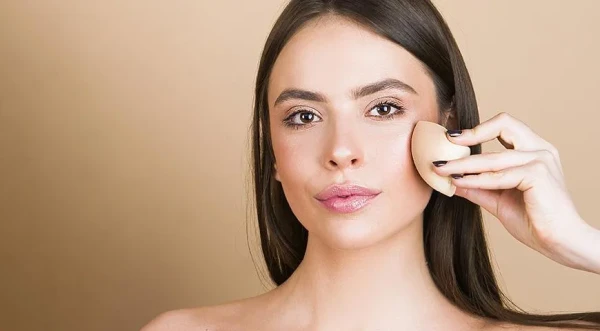
With the arrival of spring, your usual foundation may start to work against you: emphasizing pores, wrinkles, and creating a "tired face" effect. Beauticians explain — it’s not just about the products, but also about changes in skin condition, lighting, and temperature. Therefore, spring makeup requires a reassessment of basic habits.
Why Winter Foundation Stops Working
What looked appropriate in winter often starts to look heavy and unnatural in spring. Under bright daylight, thick coverage becomes noticeable, and in the warmth, it loses its longevity and "melts" faster. Additionally, after the cold season, skin often ends up dehydrated, even if this is not always visually apparent. As a result, foundation applies unevenly, settles into pores, and emphasizes skin texture.
Light Textures Instead of Heavy Coverage
Experts emphasize: in spring, lightness is not a trend but a necessity. Heavy foundations give way to more delicate formats — fluids, tints, and foundation serums. Such products do not create a "mask" but merely even out the overall skin tone, allowing it to look natural. Visually, this provides a fresher and more well-groomed effect than trying to completely hide all imperfections.
Hydration — The Key Factor for Even Coverage
After winter, skin often needs extra hydration. Even if there is no obvious dryness, an internal moisture deficit affects how makeup applies. Therefore, in spring, it is important to choose foundations with caring components — they not only even out the complexion but also help maintain hydration balance. Without this, even the most expensive product can look messy.
Radiance Instead of Mattness
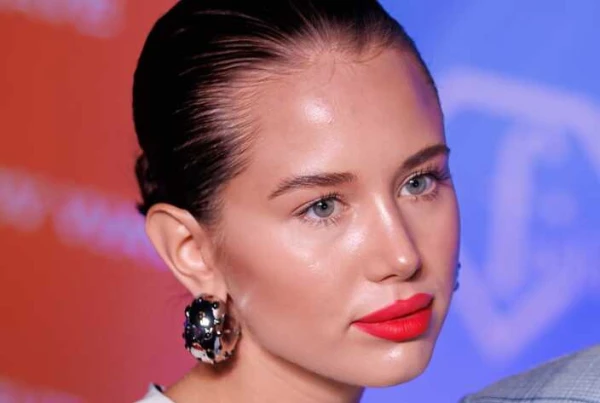
Matte thick textures, popular in the cold season, can visually "weigh down" the face in spring and make it look less lively. Instead, specialists recommend choosing products with a light glow — the so-called glow effect. It does not create an oily shine; on the contrary, it makes the skin look fresher and visually smoother. This approach helps conceal minor imperfections and gives the face a more youthful appearance.
Why You Shouldn't Cover Everything at Once
One of the most common mistakes is trying to solve all skin problems with one layer of foundation. In spring, this approach becomes especially noticeable. Beauticians advise acting differently: first, apply a light coverage all over the face, and then spot-correct specific areas. This helps avoid a cluttered effect and maintain the natural look of the skin.
SPF — A Mandatory Element, Not an Option
With increased sun activity, the risk of photoaging and pigmentation rises. Therefore, protection from ultraviolet rays becomes a mandatory part of daily care. Foundation with SPF can be an additional measure but does not replace full protection. The optimal option is to use a separate product with SPF and then apply foundation.
...Spring makeup requires a reassessment of habits: thick textures give way to light ones, mattness to natural radiance, and universal solutions to an individual approach. A well-chosen foundation should not hide the skin but work with it — emphasizing freshness, evening out the tone, and maintaining a sense of naturalness.















Leave a comment