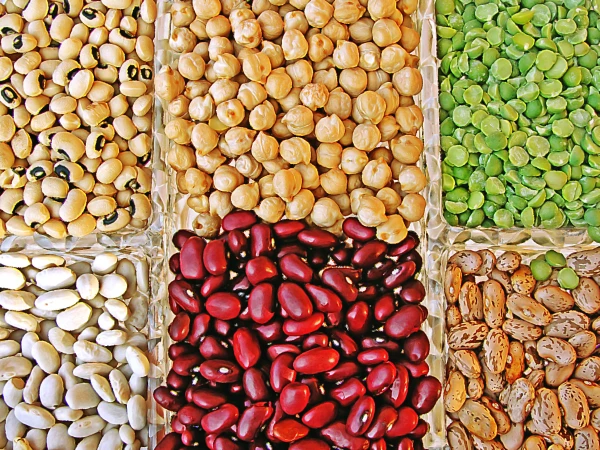
Legumes may contribute to controlling blood sugar levels in type 2 diabetes. This conclusion was reached by the authors of a scientific review who analyzed data from 17 studies on the effects of beans, peas, chickpeas, and other legumes. This is reported in Frontiers in Nutrition.
Researchers noted that legumes contain fiber, plant protein, resistant starch, and bioactive substances. Because of this, they are capable of slowing down carbohydrate absorption, reducing blood sugar spikes after meals, and improving tissue sensitivity to insulin. In the participants of the studies, the consumption of legumes was associated with improved glucose tolerance and reduced blood sugar levels, and in some cases, also with lower glycated hemoglobin levels.
The authors also studied the impact of legumes on gut microbiota. In separate studies, an increase in beneficial bacteria for metabolism was recorded, as well as a rise in the levels of short-chain fatty acids — products of fiber fermentation by intestinal bacteria.
The scientists emphasized that a direct link between improvements in blood sugar levels and changes in microbiota has not yet been proven. The effect is likely due to a combination of factors: high fiber content, slow digestion of carbohydrates, influence on metabolic hormones, and only partially the activity of gut bacteria.