
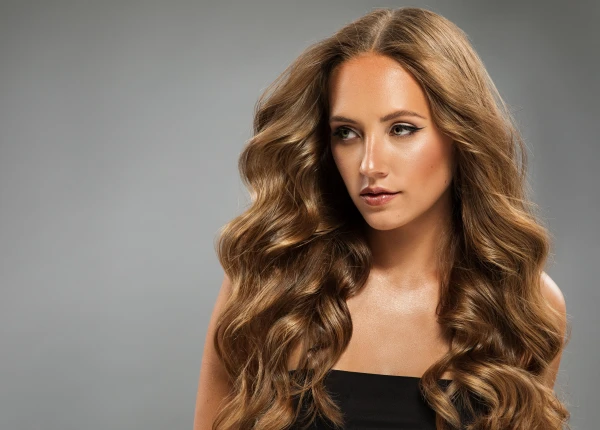
In winter, hair often loses its shine, becomes brittle and dull. Temperature fluctuations, dry air, and headwear only exacerbate the problem. However, the condition of hair largely depends not only on care but also on nutrition — specialists emphasize this.
Dermatologist and trichologist Ekaterina Kandinskaya explains: the deterioration of hair quality is often associated with a deficiency of key nutrients. First and foremost, this concerns five important elements that directly affect hair growth, density, and appearance.
Protein — The Foundation of Strength
The main building material of hair is keratin, a type of protein. When there is a deficiency, hair becomes brittle, and its growth slows down. To maintain normal protein levels, it is important to regularly include meat, fish, eggs, dairy products, as well as legumes and soy in the diet.
Iron — Against Hair Loss
Low iron levels are one of the common causes of hair loss, especially in women. However, it is not advisable to replenish it on your own: first, it is necessary to confirm the deficiency through tests. Without this, taking supplements can be not only useless but also harmful.
Omega-3 — For the Scalp
Polyunsaturated fatty acids are important for skin health, including the scalp. Their deficiency can worsen the overall condition of hair. Fatty fish, nuts, and seeds can help replenish this deficiency.
Zinc and Selenium — Balance Matters
These trace elements are necessary for normal hair growth, but both their deficiency and excess can lead to problems. Therefore, specialists recommend obtaining zinc and selenium primarily from food rather than high-dose supplements.
Vitamin D — Under Control
During the cold season, vitamin D deficiency is particularly common. It can also be associated with increased hair loss. But even in this case, it is important to first take tests and only then address the issue of taking supplements.
What to Consider
Experts emphasize: changing your diet does not yield immediate results. Hair responds to internal changes gradually, so the effect may only manifest after some time.
Additionally, nutrition cannot radically change already grown hair, but it can be an important factor in maintaining their health and reducing hair loss.
The main recommendation is not to self-diagnose. If deficiencies are suspected, it is advisable to take tests and consult a doctor to develop a safe and effective recovery strategy.












Leave a comment