
Pheromone perfumes have long been positioned as a means to enhance attractiveness and spark interest in others. However, the question of their effectiveness remains a subject of debate: some consider them a powerful tool for influence, while others see them as a result of savvy marketing.
How Pheromones Work
Pheromones are chemical substances that play an important role in communication among animals, including attracting a mate. Synthetic analogs of these compounds are used in perfumery, which are believed to influence human perception.
Some experts note that such scents can enhance emotional impressions, creating a more vivid image and a memorable "trail."
What Research Says
Scientific data on the influence of pheromones on humans remains limited. A clearly functioning mechanism for pheromone perception in humans, similar to that in animals, has not yet been identified.
However, experiments show an interesting effect: if a person is informed that they are using a "special" scent, their self-confidence increases, and their behavior becomes more open. As a result, those around them do indeed respond more positively — but the reason lies not so much in the composition of the perfume as in the change in behavior.
Why the Effect May Be Felt
Even without direct pheromone influence, perfume affects human perception:
- the scent shapes the first impression;
- it enhances associations and emotions;
- it helps one feel more confident.
Moreover, the fragrance unfolds differently depending on skin type, hormonal background, and external conditions, making each scent unique.
How to Properly Use Fragrance
To achieve the maximum effect from any perfume, specialists recommend:
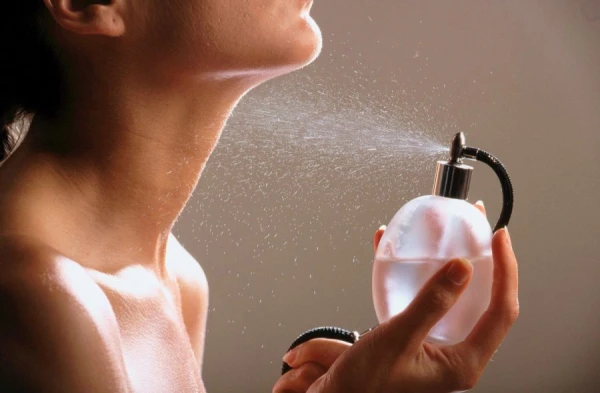
- applying it to warm areas of the skin — wrists, neck, area behind the ears;
- not mixing several strong scents;
- choosing a composition according to the situation — lighter for the day, more intense for the evening.
...Pheromone perfumes cannot be called a proven tool for influencing others. However, they can work indirectly — through psychological effects and increased confidence. Ultimately, what matters more is not the presence of "special" components, but how a person feels and presents themselves.
















Leave a comment