Insufficient air exchange in the home can affect not only comfort but also health, as well as the condition of household appliances. Ventilation problems often go unnoticed, but they can be identified by a number of characteristic signs.
Main Signs
Increased Humidity
Constant condensation on windows or a feeling of dampness in the room may indicate poor ventilation. The optimal humidity level in a home is 40–60%. It is especially important to ventilate the kitchen and bathroom.
Stale Odors
If odors from food, pets, or mustiness linger for a long time, it is a signal of insufficient air circulation.
Uneven Temperature
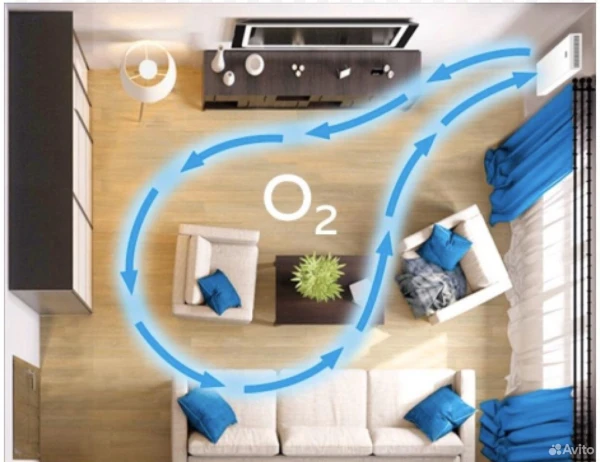
Temperature differences in different rooms may be related not only to insulation but also to poor air distribution.
Worsening Allergies
Frequent sneezing or feeling unwell at home may be related to the accumulation of dust and allergens due to poor ventilation.
Feeling of Stuffiness
If there is a constant lack of fresh air in the room, even with the air conditioner or heating on, it is worth checking the ventilation system.
Technical Issues
Insufficient removal of hot air can shorten the lifespan of household appliances, such as ovens or dryers.
How to Improve Air Exchange
- regularly service ventilation and air conditioning systems
- use exhaust fans in the kitchen and bathroom
- timely clean and replace filters
- ventilate the room by opening windows when possible
- turn on fans at low speed for constant air circulation
Even simple measures help improve air quality, reduce humidity, and make the home more comfortable and safe for living.