
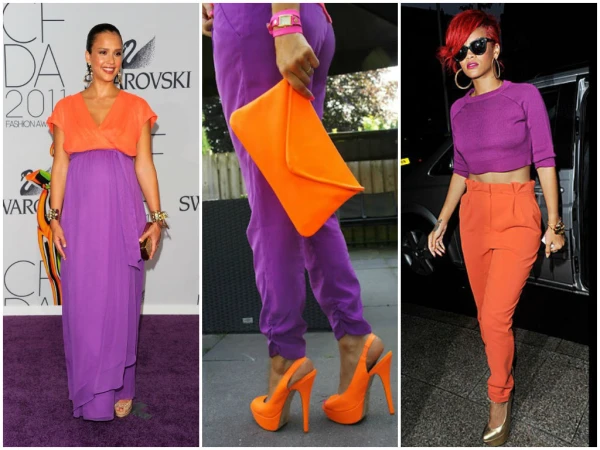
The colors we choose in clothing, interiors, or visual environments have not only an aesthetic impact but also influence mood and emotional state. Among them, orange and purple stand out, having returned to trends in 2026 not only as fashionable shades but also as colors with a pronounced psychological effect.
Colors as a Reflection of Inner States
Modern color psychology views shades as a "silent language" capable of conveying emotions and eliciting specific reactions in individuals. Colors affect the nervous system, mood, and even behavior, linking optical perception with psychological associations.
In an editorial article, a psychologist emphasizes that the emergence of orange and purple in seasonal trends reflects not only a desire for brightness but also the psychological state of society—a mix of the desire for energy and the search for meaning.
Orange: The Color of Activity and Communication
Orange is a color often associated with energy, liveliness, and communication. It combines the warmth of red and the optimism of yellow, stimulating a sense of enthusiasm and increased vitality. Such shades can enhance the desire to do something new and draw attention to the surrounding world.
From a psychological perspective, moderate use of orange can promote motivation and activity: it is often used in the design of spaces where communication dynamics and creativity are important. However, excessively bright shades can cause overstimulation and irritation, so it is important to maintain balance.
Purple: Depth, Contemplation, and Intuition
Purple belongs to the cooler part of the spectrum, and many studies associate it with shades of calmness, contemplation, as well as intellectual and mystical associations. It can stimulate attention to the inner world, intuition, and deep feelings.
As psychologists note, purple not only symbolizes the complexity of experiences but can also soften emotional tension, especially when combined with other shades, creating a balance between activity and tranquility.
How to Apply Colors in Everyday Life
Experts advise using colors purposefully depending on the desired effect:
Orange can be a good choice for work areas, communication zones, and creativity: it supports alertness, stimulates conversation, and lifts the mood.
Purple can be introduced into interiors, wardrobes, or visual elements when rest, contemplation, or intellectual focus is needed, such as in bedrooms, relaxation areas, or during creative work.
Color psychology emphasizes that the perception of shades depends not only on their wavelength but also on personal experience, culture, and the context in which we see them.
Understanding how colors affect our perception and mood helps to use this knowledge not only in fashion but also in interior design, branding, or daily outfit choices. Orange and purple are not just trendy shades for 2026, but also tools for creating emotional settings that help maintain a balance between energy and inner calm.






Leave a comment