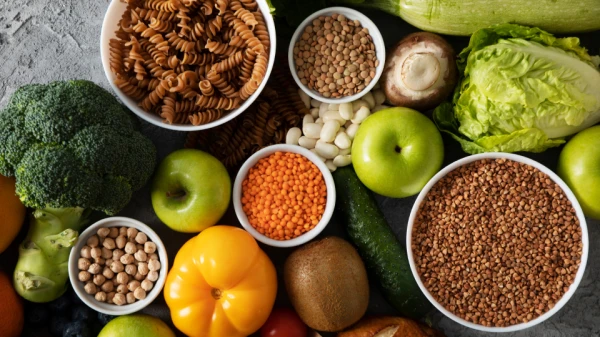
Adding fiber to the daily diet is one of the most accessible and effective ways to support gastrointestinal health. Nutrition experts explain which foods to eat and how proper fiber intake helps normalize digestion in just seven days.
What is Fiber and Why is it Needed
Fiber is a type of dietary fiber that the human body does not digest with its own enzymes, but it plays a key role in the functioning of the intestines. There is soluble fiber, which forms a gel-like mass in the intestines, slows down the absorption of sugars, and promotes healthy glucose levels, as well as insoluble fiber, which mechanically increases the bulk of food and stimulates peristalsis. These properties are supported by research on dietary fibers and recommendations from nutritionists.
Soluble fiber is found in apples, pears, oats, flaxseeds, and chia seeds, while insoluble fiber is found in whole grains, vegetables, and fruit skins.
How Much Fiber is Needed and Where to Get It
The recommended daily intake of fiber for adults is about 25–30 grams, but most people consume significantly less.
To reach the necessary amount, it is advisable to include in the diet:
-
Whole grain cereals — oatmeal, buckwheat, whole grain bread;
-
Legumes — beans, lentils, chickpeas;
-
Fruits and berries — apples, pears, berries;
-
Vegetables — carrots, beets, broccoli;
-
Seeds and nuts — flaxseeds, chia.
It is important to gradually increase fiber intake to avoid discomfort and to accompany this with adequate water intake — this helps fibers work better in the digestive system.
How Fiber Improves Digestion
Fiber promotes regular bowel movements, prevents constipation, and supports the growth of "good" intestinal bacteria, which help maintain the health of the intestinal lining. The decision to increase fiber intake can improve intestinal motility in just a few days with regular consumption of fiber-rich foods.
Soluble fiber also helps lower cholesterol levels and maintain stable blood sugar levels, which is beneficial for overall health.
Practical Tips for a Week
To normalize intestinal function in seven days, experts recommend:
-
Replacing white bread and refined products with whole grain options;
-
Adding legumes and vegetables to every meal;
-
Including seeds or nuts daily for added effect;
-
Drinking enough clean water (about 30 ml per kilogram of body weight) so that fibers can act effectively.
Gradually introducing fiber will help avoid bloating and other unpleasant symptoms associated with a sudden increase in fibers in the diet.
...Regular consumption of fiber from everyday foods is not only a way to improve digestion but also a step towards a healthier lifestyle. When deciding to include more dietary fiber in the diet, it is important to combine this with a varied diet and adequate water intake to maximize benefits for the intestines and overall health.