Almost every day, plant-based products are present in our diet, and most of them are safe and beneficial. However, some fruits and vegetables contain natural toxins that it is important to be aware of to avoid unpleasant consequences. Typically, this concerns not the product itself, but its individual parts or improper ways of consumption.
Cashews
What we commonly refer to as cashew nuts is actually a seed. In its raw form, it contains urushiol — a toxic substance also found in poison ivy that causes severe allergic reactions. This is why cashews sold commercially are always subjected to steam processing. Consuming commercially processed nuts is safe, while contact with the raw product can cause skin irritation and other negative reactions.
Almonds
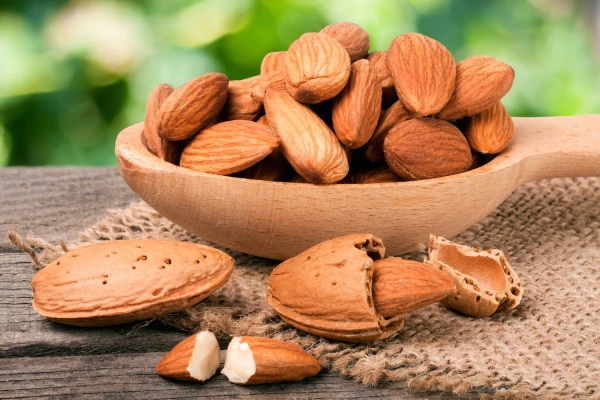
Almonds are classified as dry fruits and can be sweet or bitter. Bitter almonds contain cyanide — a dangerous poison. They must be processed before use, and in some countries, the sale of such almonds is completely prohibited. Thermal processing destroys the toxic compounds, so in finished products, they pose no threat.
Fruit Pits
The pits of cherries, sweet cherries, apricots, peaches, plums, and apples contain amygdalin — a substance that releases cyanide when the kernel is damaged. If the pits are swallowed whole, there is usually no danger. However, chewing or grinding them increases the risk of poisoning. In small amounts, the body can neutralize the toxin, but excessive consumption can lead to serious consequences. It is especially dangerous to use fruits with pits for making alcoholic beverages — in such cases, the likelihood of poisoning is significantly higher.
Asparagus
The edible part of asparagus is the shoots. However, its fruits — small red berries — are toxic to humans. This is why they should not be consumed, despite the vegetable being widely used in cooking and valued for its health benefits.
Green Tomatoes
The leaves and stems of tomatoes contain glycoalkaloids — substances that can cause digestive disorders, headaches, and nervous agitation. Unripe, green tomatoes have higher levels of these compounds than ripe ones. In small amounts, they are usually not dangerous, but it is advisable not to overindulge in such fruits.
Nutmeg
This popular spice contains myristicin — a psychoactive substance. In small doses used in cooking, it is safe; however, excessive consumption can lead to unpleasant symptoms related to the nervous system.
Conclusion
Fruits and vegetables remain an important part of a healthy diet, but knowing their characteristics helps avoid risks. Consume only the edible parts of plants, do not exceed reasonable dosages, and do not experiment with products that may contain natural toxins. A conscious approach to nutrition is the key to safety and well-being.