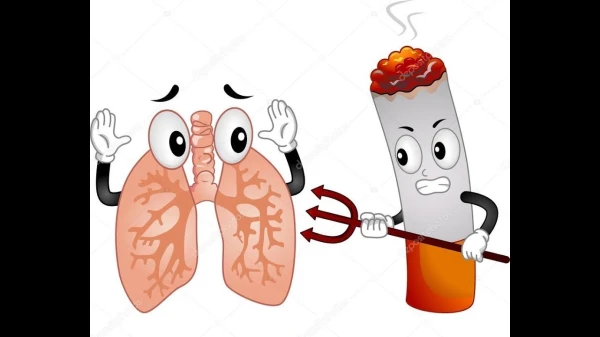
Smoking is a proven risk factor for dozens of serious diseases. According to the World Health Organization, tobacco remains one of the leading preventable causes of premature death worldwide. Quitting smoking is the best prevention. But if a person continues to smoke or has a long history of smoking, regular examinations help detect dangerous consequences at an early stage.
Cardiovascular Risks and the SCORE Scale
Heart attacks, strokes, and aneurysms are among the most common complications. Nicotine damages blood vessels, accelerates the development of atherosclerosis, and increases the risk of thrombosis.
The SCORE scale is used to assess the probability of fatal cardiovascular events. The doctor measures blood pressure, orders blood tests (cholesterol, glucose), and calculates individual risk.
Usually, this assessment is conducted after the age of 40, but smokers should discuss it earlier.
Screening for Abdominal Aortic Aneurysm
Smoking significantly increases the risk of abdominal aortic aneurysm — a dangerous dilation of the vessel with a risk of rupture.
Ultrasound screening reduces mortality, especially in men over 60. For long-term smokers, screening may be recommended earlier.
Low-Dose CT for Early Detection of Lung Cancer
The "gold standard" for lung cancer screening is low-dose computed tomography (CT), not fluorography.
Annual CT scans are recommended for people:
- with a smoking history of more than 20 years;
- who smoke about a pack a day;
- who quit less than 15 years ago after long-term smoking.
This can detect changes before symptoms appear.
Screening for Colorectal Cancer
Smoking increases the risk of colon cancer. The following are used:
- fecal occult blood test (usually starting at age 40);
- colonoscopy — a more accurate diagnostic method.
If the test is positive, the patient is referred for a colonoscopy. Smokers should discuss early screening with their doctor.
Examinations for Women
In women, smoking is associated with an increased risk of cervical, ovarian, endometrial, and breast cancer.
Regular gynecological check-ups, Pap tests, and other recommended studies help detect changes at an early stage.
Spirometry and Lung Function Assessment
Chronic obstructive pulmonary disease (COPD), asthma, and reduced lung volume are common consequences of smoking, including vaping.
Spirometry allows for the assessment of lung function and detection of abnormalities before pronounced symptoms appear.
Monitoring Blood Glucose Levels
Smoking increases the risk of type 2 diabetes. For early diagnosis, blood glucose tests and additional tests are conducted as necessary.
Ophthalmological Examinations
Tobacco is associated with age-related macular degeneration, glaucoma, cataracts, and the risk of vision loss. Regular eye exams help detect changes in a timely manner.
Main Point
Screenings reduce the risk of severe consequences but do not eliminate the underlying cause. Smoking remains a systemic factor damaging the body — blood vessels, lungs, eyes, and metabolism.
Additionally, passive smoking also increases the risk of cardiovascular and oncological diseases for those nearby.
Preventive examinations are important. However, the most effective measure remains quitting smoking — a step that can significantly reduce the risk of most of the diseases listed.