
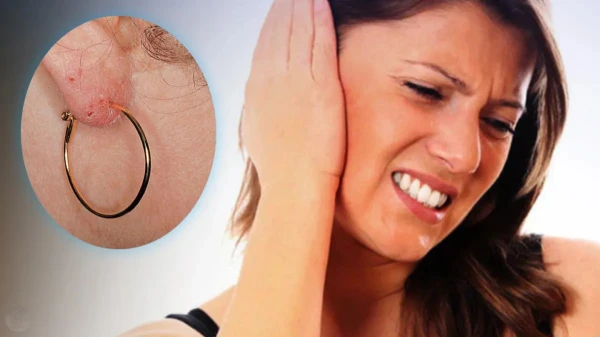
Earrings are a favorite accessory for many. Unfortunately, for some, they can cause unexpected skin reactions. If you notice redness, itching, or blisters after wearing them, you may have a jewelry allergy in your ears.
Jewelry Allergy in the Ears: Causes, Symptoms, and Treatment
Earrings can cause itching in the earlobes, or you may notice a red ring around your finger from a ring, or itchy blisters on your wrist from a bracelet... Even irritation can occur on the neck from a necklace. The issue lies in an allergy to the metal contained in your jewelry, known as contact dermatitis.
Why Ears Hurt from Earrings
Contact dermatitis is a skin condition that occurs upon contact with a substance that the body perceives as harmful. In earrings, this substance is most often nickel. It is widely used in costume jewelry as well as inexpensive jewelry as a base metal.
Other metals that can cause allergic reactions include cobalt and chromium, which are less common but are used in the production of precious metal alloys, some types of costume jewelry, and colored ornaments.
Nickel can be found not only in jewelry but also, for example, in coins, mobile phones, eyeglass frames, clothing hardware, and even in eyeshadows.
Symptoms (Common Complaints) of Allergy
A negative reaction to earrings in the ears can manifest through various symptoms that appear on the ear or other areas of skin that have come into contact with the allergen, within 6–24 hours after contact. These include itching, redness, rash, dryness, and swelling of the skin. Sometimes blisters may form, covering the skin with crusts and scales.
Allergic reactions to metal jewelry can develop at any age and often persist throughout life.
Causes of Allergy (Risk Factors)
Allergy to certain metals, particularly nickel, occurs when the immune system mistakenly perceives its ions as a threat and triggers a protective reaction.
Material Composition. The first risk factor is the material composition. Nickel, cobalt, and chromium are the most common causes of allergic reactions.
Skin Type. People with sensitive skin are at higher risk of irritation from metals and chemical coatings.
Insufficient Hygiene. Wearing jewelry, especially in hot weather, can lead to the accumulation of sweat and bacteria, increasing the likelihood of irritation and allergy.
Previous Allergic Reactions. Individuals who have previously experienced allergic episodes to other materials are more susceptible to developing contact dermatitis.
Age. Children and adolescents are more prone to allergic reactions due to the characteristics of their skin and immune system.
Diseases and immune system conditions. Eczema, atopic dermatitis, or other skin diseases increase the likelihood of developing contact dermatitis.
What to Do If Your Earlobe is Inflamed from an Earring: Treatment
If you suspect that you have developed an allergy to jewelry on your earlobes, remove them immediately. This will help avoid further contact with the irritant and reduce negative symptoms on the earlobes.
Thoroughly wash the earlobes where contact with the jewelry occurred with warm water and mild soap. This will help remove traces of irritants.
If there is itching or swelling of the ear, you can apply cool, soothing compresses.
If symptoms persist, you can apply hydrocortisone creams or moisturizing creams with aloe vera to reduce inflammation and itching. However, it is best to consult a doctor before using them.
When to See an Allergist
If symptoms do not decrease or worsen, it is advisable to see a doctor. The specialist will conduct a professional assessment of the skin condition of the ears, perform allergy tests, and if necessary, prescribe stronger anti-inflammatory medications.
In severe allergic reactions, the doctor may also recommend a diet excluding foods containing nickel, such as soy, buckwheat, chocolate, certain types of nuts, and shellfish.
What Happens If Allergy is Left Untreated
In cases of contact dermatitis, more than just over-the-counter creams or antihistamines may be required. A doctor may prescribe a steroid cream or oral medications to combat severe dermatitis symptoms and prevent infection.
Consequences of Self-Treatment
Improper use of therapeutic creams or ointments can lead to worsening allergic reactions, thinning of the skin, and other side effects.
Scratching itchy areas can lead to bacterial or fungal infections. Finally, one might mistakenly diagnose their symptoms as contact dermatitis when it could be a condition requiring a different treatment approach.
How to Wear Jewelry If You Have Sensitive Ears?
In case of irritation, it is important to quickly remove the earrings and subsequently choose items that do not cause negative effects.
How to Choose Earrings for Sensitive Ears?
Pay attention to the composition of the jewelry. Avoid items that contain allergenic metals such as nickel.
For sensitive ear skin, choose jewelry made from hypoallergenic materials such as stainless steel, titanium, gold (at least 18 karats), sterling silver, or polycarbonate plastic.
What Metal in Jewelry Most Often Causes Allergies?
The World Health Organization confirms that allergy to nickel found in jewelry is one of the most common forms of contact dermatitis. According to some data, it affects up to 20% of the population in developed countries.
Why Do Ears Hurt from Gold Earrings?
The reason is that when manufacturing jewelry, gold is alloyed with other metals, which alters its hardness, color, and other properties. For example, yellow gold may be alloyed with silver and copper, while white gold is typically alloyed with nickel.
Can Ears Hurt from Silver Jewelry?
Three types of silver are used to make silver jewelry: pure silver, sterling silver, and silver-plated items. Pure silver contains 99.9% of the metal but is soft and malleable, making items made from it rare. Sterling silver is an alloy of 92.5% pure silver with copper. Sometimes it contains a small percentage of other metals, so traces of nickel may be present. Silver-plated jewelry consists of base metal items (particularly nickel) covered with a thin layer of silver alloy.
Can Allergy to Earrings Manifest Later?
Rhodium, a silvery-white metal related to platinum, is often used to coat yellow gold to turn it white. Even white gold with nickel is often coated with rhodium to make it look whiter and shinier. Initially, this coating protects the skin from nickel, but over time it wears off. This leads to nickel starting to contact the skin.
How to Avoid Discomfort When Wearing Gold Earrings?
If your earrings or wedding ring cause skin irritation, you can consult a jeweler about the possibility of coating them with rhodium or platinum. However, over time the coating will wear off, and re-treatment will be needed.
In cases of contact dermatitis, it is important to act correctly to minimize damage and discomfort. Take care of your health and choose only those pieces of jewelry that do not cause undesirable skin reactions.















Leave a comment