
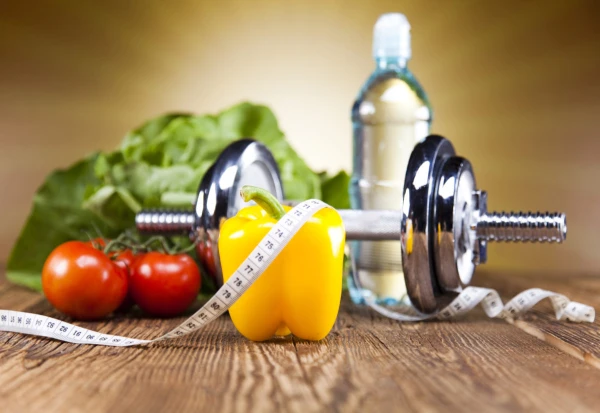
Everyone is tired of strict limits and universal advice, so the topic of health is ceasing to be a set of trendy prohibitions and is transforming into a personal system of self-care.
What was considered "correct" not long ago is now raising more and more doubts among both medical professionals and those who are tired of living under the control of numbers, strict limits, and the constant stress associated with following these rules. Nutritionist Elena Mukhina shares her observations on the key trends in wellness for 2026.
Refusal to Count Calories
For a long time, calorie tracking was used as the main method of mindful eating. Today, it is becoming clear that counting them to an exact value is practically impossible, and constant monitoring often turns into anxiety and obsessive thoughts about food rather than mindful eating. Instead, the focus is shifting towards the quality of food, its satiety, and the body's response.
Fat is Not the Enemy, But a Part of a Healthy Diet
Very low-fat diets have definitively lost their status as "healthy." Fats are indeed necessary for the body—they support hormonal balance, aid brain function, and facilitate the absorption of vitamins. In 2026, the main question is not "how much fat to exclude," but "which fats to include, with what, and why."
Criticism of Universal Advice from Social Media
One of the notable shifts in recent years has been the rejection of mindless adherence to recommendations from popular bloggers. What works for one person may be completely ineffective—sometimes even harmful—for another. The universal life hacks are being replaced by an approach based on the results of check-ups, analyses, and personalized health programs. As a result, the medical approach is becoming more individualized, as no two bodies are the same.
Strict Diets Lose Their Status as Universal Solutions
Dietary schemes such as keto diets, intermittent fasting, mono diets, or extreme restrictions are increasingly viewed as short-term experiments rather than sustainable health strategies. Their effects may be noticeable quickly, but the potential risks of nutrient deficiencies and metabolic disruptions make such models less appealing for long-term practice.
Overtraining in the Gym Becomes a Thing of the Past
Intensive "to failure" workouts are no longer seen as a sign of self-care. Today, physical activity is considered equally important alongside recovery, sleep, and practices that support mental well-being. Meditation, breathing exercises, and regular breaks are becoming just as essential a part of a healthy lifestyle as sports activities. A healthy lifestyle is increasingly perceived as a balance between the body and mind, rather than a continuous race for records.













Leave a comment