

Is coffee on the go already a standard morning scenario? A couple of sips – and straight to business. The problem is that the body is left without fuel at this moment. Without a full breakfast, energy levels drop by mid-morning, cravings for sweets intensify, and concentration decreases.
From a nutrition perspective, breakfast is not a formality but an important meal that helps gently kickstart metabolic processes, stabilize blood glucose levels, and reduce the load on the nervous system. And for breakfast to be healthy, it doesn't need to be complicated.
Why it’s important to have a full breakfast
A balanced breakfast:
-
provides sustained energy for several hours
-
reduces the risk of sharp fluctuations in blood sugar
-
helps control appetite throughout the day
-
supports gut function
-
decreases evening overeating
The optimal option is a combination of complex carbohydrates, protein, and fats. This combination allows you to feel full and clear-headed, rather than experiencing a sharp rise followed by a drop.
Ideas for healthy breakfasts in 5 minutes
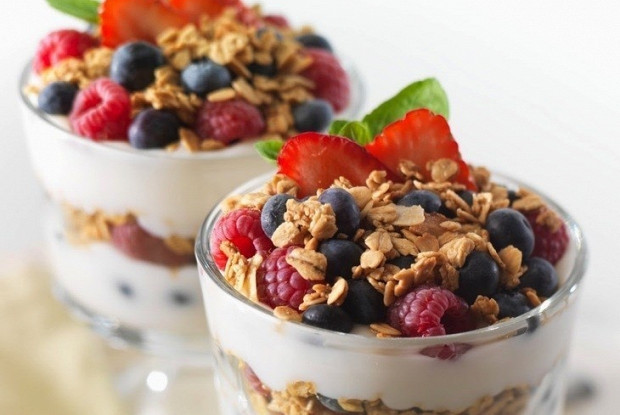
Granola with fruits and yogurt
One of the most convenient and physiological options for the morning, especially if there is no time to cook.
Fruit granola based on oats contains beta-glucan – a soluble fiber that helps lower cholesterol levels and maintain stable blood glucose levels. According to a new study by researchers from Juntendo University in Japan, regular consumption of fruit granola positively affects digestion and metabolic processes, reports RidLife citing the source.
- How to assemble the breakfast:
Natural yogurt or kefir, 40–50 g of fruit granola, fresh fruits or berries. If desired, you can add flax seeds or nuts.
Toast with avocado and egg
- Why this is a good breakfast:
Whole grain bread provides slow carbohydrates, the egg offers quality protein, and avocado provides healthy fats. As a result, the breakfast keeps you full for a long time and helps avoid sudden cravings for sweets before lunch.
- How to prepare:
Toast whole grain bread, mash avocado with a pinch of salt and lemon juice, and top with a boiled or poached egg. Optionally, add herbs or seeds.
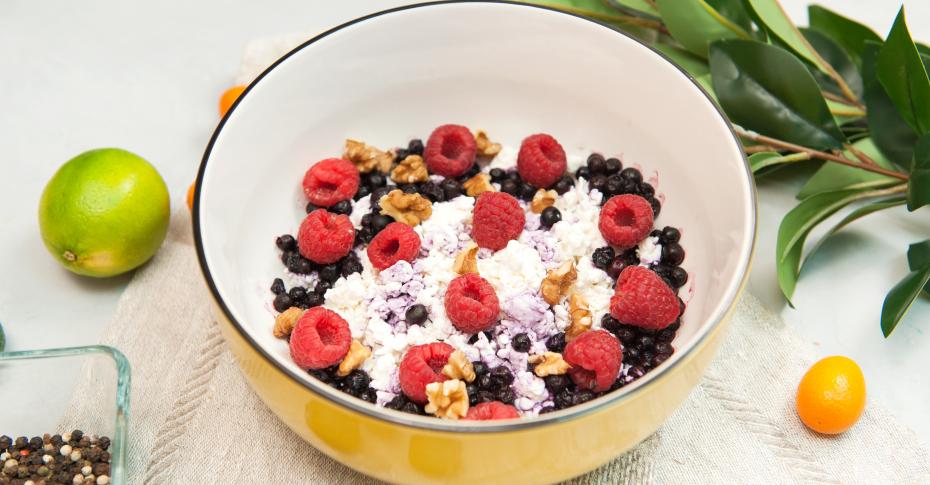
Cottage cheese with berries and nuts
- Why it’s worth choosing:
Cottage cheese is a source of protein that is well absorbed in the morning and helps maintain a feeling of fullness. Berries add fiber and antioxidants, while nuts help balance the meal with fats.
- How to assemble:
150–200 g of cottage cheese, a handful of berries, 1–2 tsp of nuts or seeds. If you want it softer, you can add a spoonful of yogurt.
Instant oatmeal without sugar
- Why it works:
Oats maintain stable energy levels and positively affect gut function. The key is to choose flakes without sugar and flavorings.
- How to enhance:
Pour boiling water or milk over the oatmeal, add fruits, chia seeds, nut butter, or yogurt. The entire preparation takes 3–4 minutes.
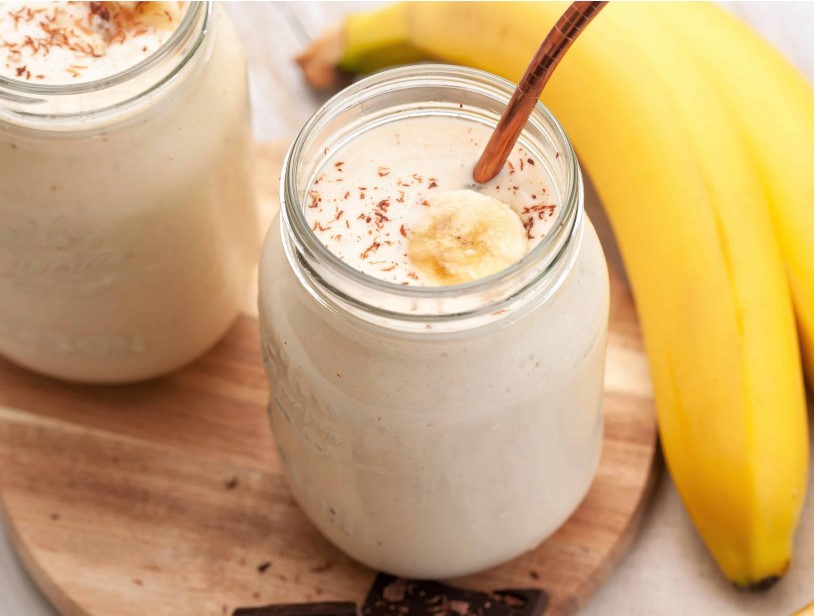
Protein smoothie
- Why it’s not just a drink:
A smoothie can be a full meal if it contains protein, fiber, and carbohydrates.
- Basic composition:
Berries or banana, yogurt or plant milk, a source of protein (protein powder, cottage cheese), seeds or nuts. This breakfast is easily digestible and does not overload the stomach.
Whole grain bread with hummus and vegetables
- Why it’s worth trying:
Hummus is a source of plant-based protein and fats, whole grain bread provides long-lasting satiety, and vegetables add volume and fiber.
- How to assemble:
Spread hummus on toast, add cucumber, tomatoes, or herbs. You can complement it with an egg or avocado.















Leave a comment