
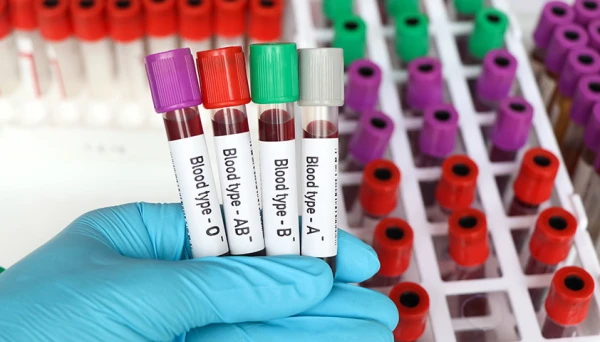
Your blood type may influence the likelihood of certain diseases, the body's response to stress, infections, and interactions with the environment.
Most people do not think about their blood type unless they are donating blood, filling out paperwork at a hospital, or facing a medical emergency.
Each blood type has its own advantages and disadvantages — or actually vulnerabilities — that are shaped by how blood interacts with the immune system, clotting proteins, and disease development, writes Unilad.
Researchers link blood types to everything from the risk of heart disease to susceptibility to viruses and certain types of cancer. Some blood types seem to provide natural protection against certain pathogens, while others may increase the likelihood of inflammation or thrombosis.
Blood Type 1
Blood type 1 is the most common, with type 1 negative serving as a universal donor for emergencies.
It is associated with a lower risk of heart attacks, clots, and strokes, as well as possibly milder symptoms of COVID-19.
Disadvantages include an increased susceptibility to norovirus, peptic ulcers, excessive bleeding, and certain complications with fertility and pregnancy.
Blood Type 2
Blood type 2 may provide protection against norovirus, which causes vomiting and diarrhea. Mosquitoes seem to be less attracted to people with this blood type. However, it is also associated with higher levels of bad cholesterol, which increases the risk of heart attacks and cardiovascular diseases.
Studies link it to early ischemic stroke, more severe cases of Covid-19, and a higher risk of stomach and pancreatic cancer.
At the same time, elevated cortisol levels also suggest that people with blood type 2 may be more prone to stress.
Blood Type 3
People with blood type 3 are less likely to suffer from kidney stones and generally attract fewer ticks. Additionally, studies show that this blood type may provide some protection against smallpox and malaria.
It is also associated with a lower risk of developing stomach and bladder cancer and reduced susceptibility to Helicobacter pylori — the bacteria that cause most stomach ulcers.
On the other hand, blood type 3 is linked to a higher risk of heart disease, pancreatic cancer, type 2 diabetes, hypertension, and infections such as tuberculosis and cholera.
Blood Type 4
Now let's move on to people with blood type 4. They are universal recipients, meaning they can safely receive blood from any type, and their plasma is often referred to as "liquid gold" in trauma care, as it can be transfused to anyone.
However, blood type 4 is associated with increased inflammation, a higher risk of thrombosis, heart disease, pancreatic cancer, and significantly higher chances of memory and thinking problems related to dementia.
















Leave a comment