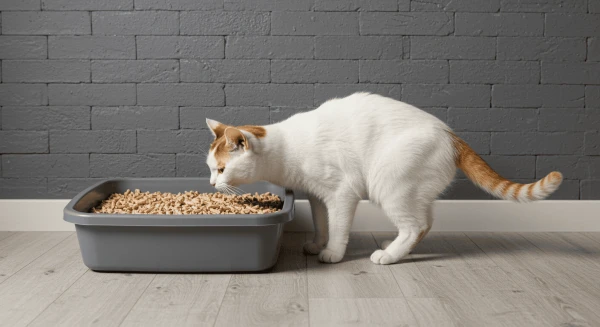
Every cat owner has faced an unpleasant situation at least once: the pet leaves "surprises" not in the litter box, but next to it, on the carpet or in the corner. This is annoying, causes concern, and makes you think: "What am I doing wrong?"
But cats are incredibly clean creatures, and such behavior is almost always a signal of a problem. Don’t scold your furry friend — it’s not revenge or mischief. Let’s explore the 5 main reasons why he ignores the litter box and practical ways to fix it.
Reason 1: Health Issues
The most serious and common reason is illness. Constipation, intestinal inflammation, problems with anal glands, or even arthritis in older cats make the process of defecation painful. The pet associates the litter box with pain and tries to "escape" from it. In young animals, it could be urinary stones or cystitis, but they also affect stool.
What to do: urgently visit the veterinarian! Get tests for feces, urine, and blood. If the diagnosis is confirmed, treatment (anti-inflammatory, diet, medications) usually resolves the issue within weeks. Don’t delay: ignoring it will worsen the situation.
Reason 2: Dirty or Uncomfortable Litter Box
Cats hate dirt. If the litter box wasn’t cleaned yesterday, or the litter clumps poorly, or there isn’t enough of it — your furry friend will prefer to "miss" next to it. Many do their business at the very edge because they don’t want to dirty their paws in already used litter.
What to do: clean the litter box twice a day, completely change the litter once a week. Try a larger litter box — ideally, one that allows the cat to turn around. For large breeds or long-haired cats, choose models with low sides. Add a second litter box (rule: one per cat plus one spare). Experiment with litter: wood, silica gel, bentonite — find the favorite.
Reason 3: Inappropriate Location for the Litter Box
Cats feel vulnerable during "business." If the litter box is in a noisy hallway, next to a washing machine, or in a passageway — the pet gets nervous and avoids it. Sometimes cats choose secluded corners because it’s calmer there.
What to do: move the litter box to a quiet, accessible corner — in the bathroom, closet, or bedroom. Ensure the path is clear: no doors that close. If your pet is a small kitten or an elderly animal — place the litter box on the same floor as its favorite spots.
Reason 4: Stress and Changes at Home
Moving, a new family member, renovations, the appearance of another animal, or even a change in the owners' schedule — all of this is stressful. The cat "marks" or simply expresses anxiety by pooping in unexpected places.
What to do: create a calm atmosphere. Use pheromones, play with your pet more often, hold it, provide high perches and hiding spots. If the stress is severe — schedule a consultation with a pet psychologist. Neutering/spaying often helps if the cat is not neutered and is marking.
Reason 5: Dislike of Litter or Type of Litter Box
Some cats are irritated by the smell, texture, or too small granules. Others prefer open litter boxes without a lid — they feel trapped in closed ones.
What to do: buy 2-3 different litters and litter boxes, set them up. Observe which one your pet prefers to use. Transition to a different litter gradually: first mix the old and new. Never force the cat to go to the toilet — this will only increase its aversion.
General Tips for Quick Fixes
— Never punish: the cat won’t understand, and stress will increase.
— Thoroughly clean "affected" areas with enzyme cleaners (they remove odors).
— Praise and reward when the pet uses the litter box correctly — treats or affection will reinforce the behavior.
— If the problem is chronic — keep a diary: when, where, and after what the cat poops. This will help the veterinarian.
Remember: 90% of cases are resolved within 1-4 weeks if the cause is eliminated. Your cat is not "bad" — it’s just asking for help. With love and attention, you will restore harmony in your home. In complex cases, it’s better to be safe and show the cat to a specialist.