Appetite comes with eating — but apparently not in the case of the dishes featured in the TasteAtlas gastronomic guide ranking. For the list of "100 Worst Dishes in the World," 715,654 ratings were registered by December 13, 2025, of which 457,493 were deemed valid by the system. The TasteAtlas ranking should not be considered a definitive global conclusion about food. Its goal is to promote excellent local dishes, awaken pride in traditional recipes, and spark curiosity about dishes you have yet to try.
Here are the top 5 worst dishes in the world in 2025 according to TasteAtlas:
Svide
An Icelandic dish consisting of a burned, halved, and cooked sheep's head. It is prepared over an open fire (to remove the wool) and consumed. Traditionally, the dish is served with mashed turnips, rhubarb jelly, and mashed potatoes.
Þorramatur
This is a set of traditional Icelandic dishes: dried fish and meat products are sliced or cut into small pieces and served with rye bread and butter. The standard set includes delicacies such as fermented shark meat, smoked lamb, roasted sheep's head, blood sausages, and much more.
Trucha a la Navarra
A traditional fish dish originating from the Spanish province of Navarre. It is made from a combination of trout, Serrano ham, flour, lemon, parsley, olive oil, and salt. The trout is seasoned with salt, coated in flour, and fried in olive oil until golden brown and fully cooked. It is then stuffed with fried pieces of Serrano ham and drizzled with lemon juice. Before serving, the trout a la Navarra is usually sprinkled with crushed ham and parsley.
Blodpalt
This dish, traditionally associated with the northern regions of Sweden and Finnish Lapland, consists of nutritious dark brown dumplings made from rye or barley flour and animal blood. Although traditionally made with reindeer blood, today there are many regional variations that use blood from various animals, different spices, and sometimes mashed potatoes. Sometimes the dumplings are filled with a mixture of fried onions and diced bacon, and cooked in flavorful meat broths. The dish is usually served as a side to fried bacon or pork, creamy butter, and lingonberry jam.
Jerusalem Kugel
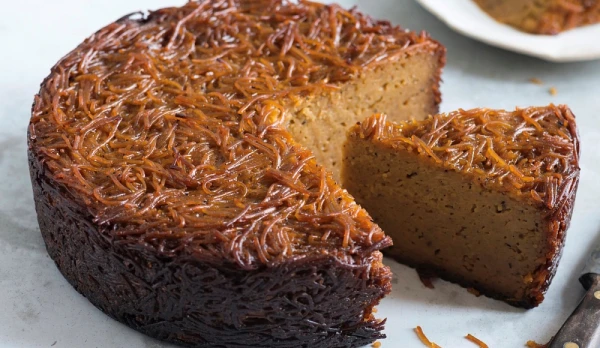
A noodle casserole characterized by its dark color, dense texture, and flavor that combines pronounced sweetness with a noticeable peppery note. It emerged in the 19th century among Jews living in the old Yishuv of Jerusalem, where cooks adapted European noodle kugel to local ingredients and tastes, preparing dishes suitable for serving after synagogue services on Shabbat. A distinctive feature of this kugel is the use of caramelized sugar and black pepper, which set it apart from other noodle casseroles with dairy components or lighter flavors. The dish formed out of the necessity to prepare food before Shabbat and keep it warm for an extended period.