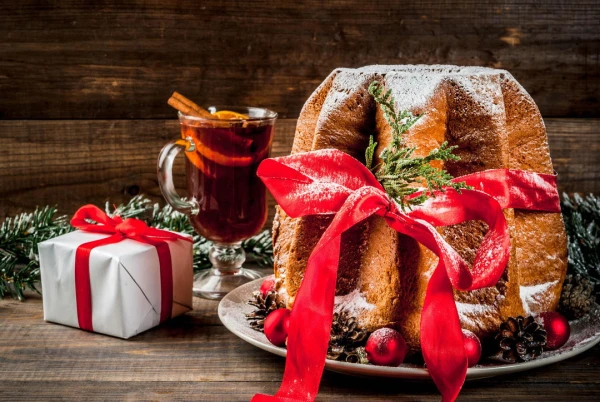
Christmas is one of the most important and beloved holidays in the world. It is associated with coziness, a decorated tree, festive garlands, and a delicious dinner with family.
Every country has its own traditions for preparing and celebrating this holiday. Some start making dessert a month before Christmas Eve so it can mature, some begin selecting the perfect fish and turkey, while others plan their time for a fast-food restaurant visit. Despite all the differences in how it is celebrated, Christmas brings positive emotions and faith that the coming year will bring only joy and happiness. Delicious food and a special atmosphere help set a positive mood.
Christmas Pudding (United Kingdom)
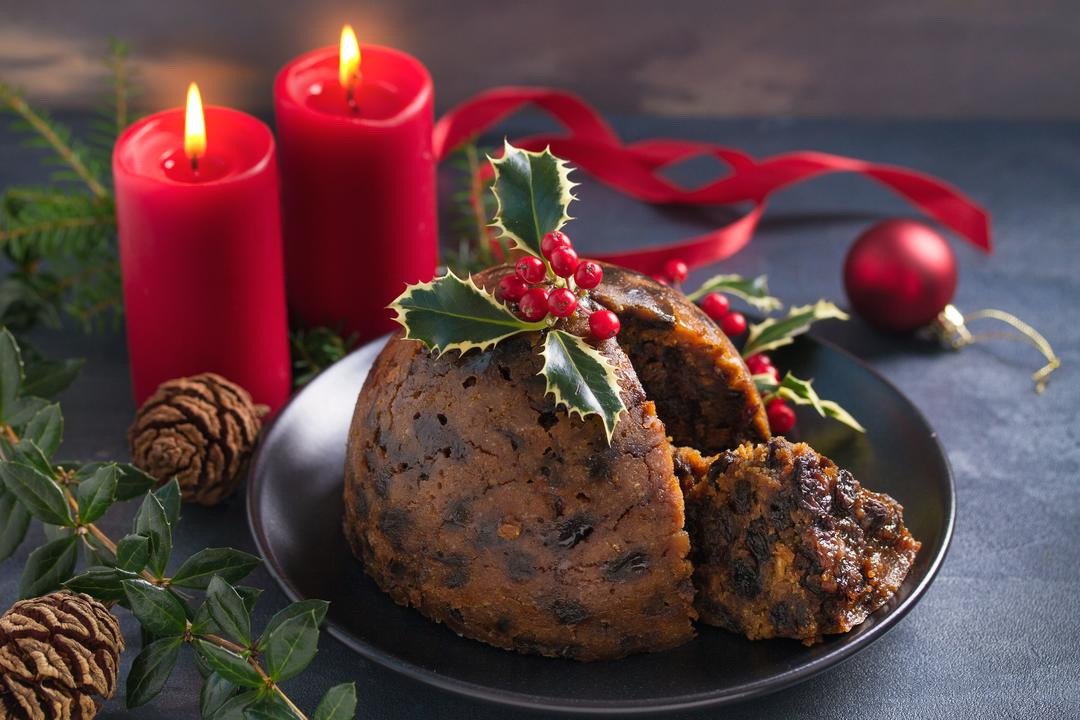
Christmas pudding, or plum pudding, is the main dessert at the festive dinner in the United Kingdom. Despite its name, it is not made from plums. In the Middle Ages, this word referred to raisins. The pudding consists of raisins, bread crumbs, sugar, butter, and spices (cloves, cinnamon, nutmeg). Before serving, the dessert is poured with brandy, rum, or another strong alcoholic beverage and set on fire. Another feature of plum pudding is that it is made several weeks before serving, allowing it time to "mature."
Kūčios (Lithuania)
Kūčios are small Lithuanian cookies with poppy seeds. They are usually served with poppy or cow's milk to soften their texture and enhance the flavor. They are served during the Christmas dinner, which in Lithuania is called Kūčios. On this evening, it is customary to serve 12 dishes, mainly consisting of fruits, vegetables, mushrooms, and fish. Meat is not present on the table.
Latkes (Israel)
Latkes are an important part of the holiday table during Hanukkah in Israel. These are pancakes made from grated potatoes, fried to a golden brown in a large amount of oil. They are traditionally eaten with sour cream or applesauce. They are made as a reminder of the miracle when the oil in the temple lamps lasted for 8 days instead of one. The first versions of latkes, made from cheese, were prepared as early as the Middle Ages.
Christmas Carp (Czech Republic)
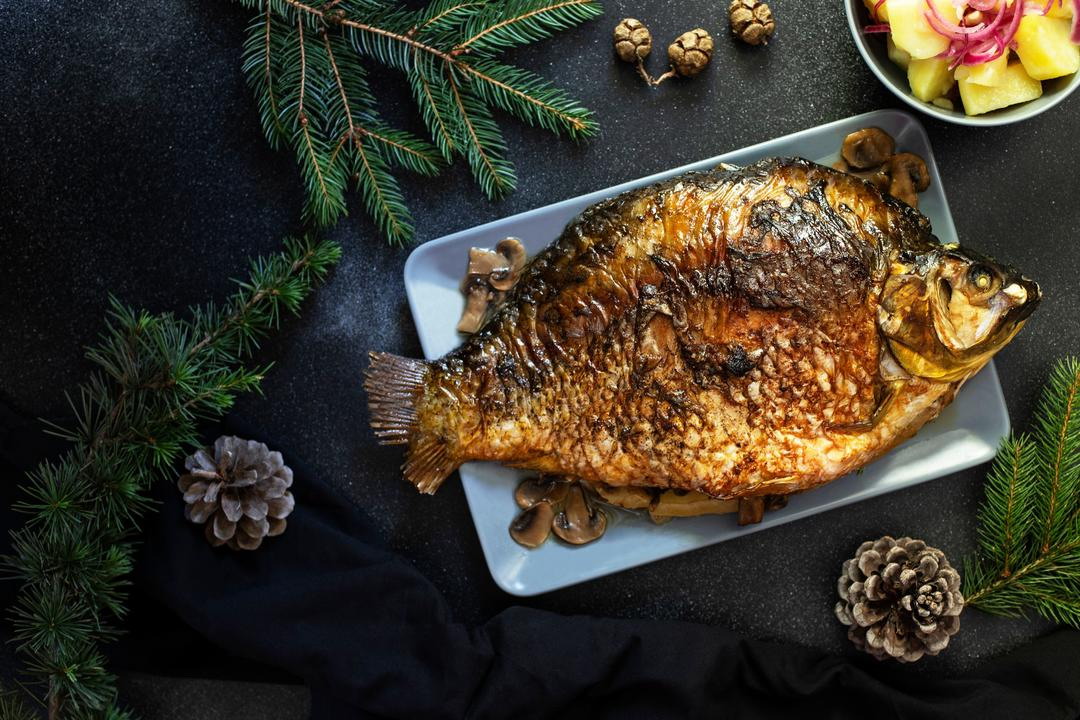
Christmas carp is a mandatory dish that must be on the festive table on Christmas Eve in the Czech Republic. The roots of this tradition date back to the Middle Ages when carp scales were considered a symbol of wealth. Nowadays, they are often carried in wallets for good luck and placed under each plate at the festive dinner. The preparation of this fish for Christmas began in the 19th century. Carp is usually served as fried pieces, whole baked, or stuffed. Like in Lithuania, meat is not found on the Czech festive table. More often, Czechs buy two carps: one to cook and the other to release into the bathtub and then set free, which is not very beneficial for the fish.
Stollen (Germany)
Stollen is a pastry with candied fruits and raisins that resembles the baby Jesus wrapped in swaddling clothes in shape and color. There are also varieties with nuts, marzipan, and poppy seeds. It is made from a special yeast dough with a large amount of flour and butter. After baking, it is brushed with melted butter and dusted with powdered sugar. Stollen is usually baked in Germany in advance and stored for one to three months. The first mention of this dessert dates back to the 14th century.
Flæskesteg (Denmark)
Flæskesteg is a traditional Christmas dish in Denmark. It is roasted pork with a crispy crust, usually served with red cabbage braised in duck fat with sugar, apples, onions, vinegar, red wine, and spices. The traditional Christmas meal concludes with sweet rice porridge, served at midnight. One almond is added to the dish — if it is found by an unmarried girl, it is believed she will get married in the coming year. For everyone else, the sweet find promises happiness. The person who finds the almond must keep it secret until all the porridge is eaten.
Fried Bananas (Cuba)
In Cuba, Christmas Eve, like in many Latin American countries, is an occasion for the whole family to gather for a festive dinner. On this evening, the table usually features rice, black beans, rice pudding, and rum cake. The most vibrant side dish is fried bananas, which perfectly complement the roasted pig and rice. They are cooked in melted lard and traditionally eaten with sea salt — sometimes pepper is added for spice.
Panettone (Italy)
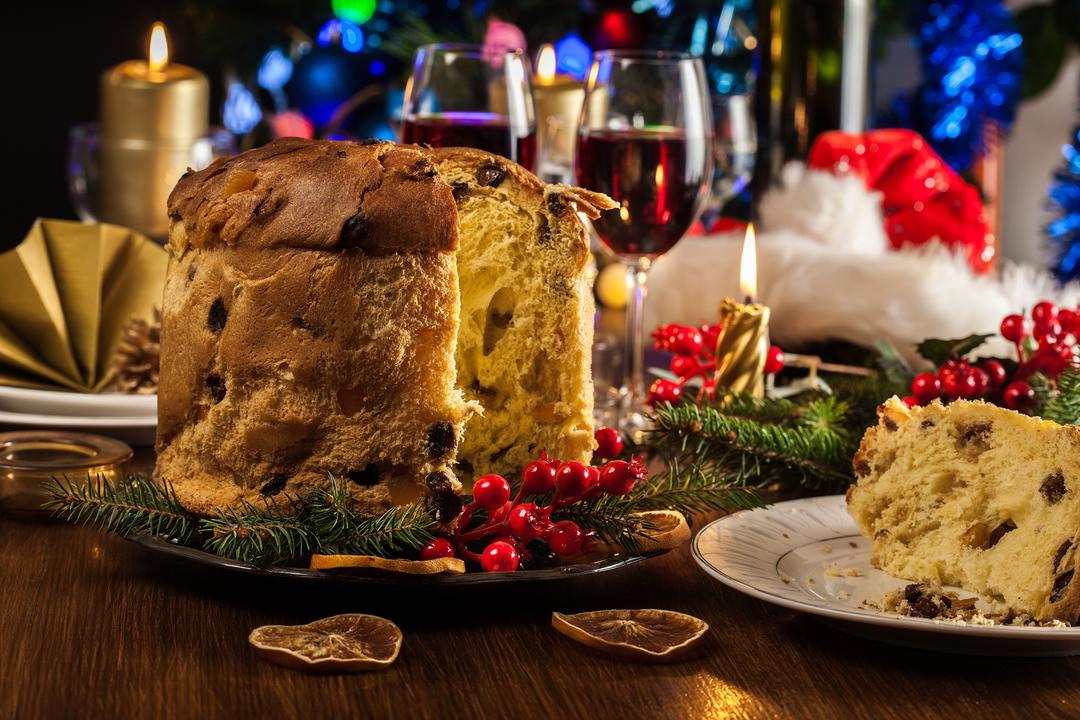
In different regions of Italy, the Christmas table varies. Some prepare seven different fish dishes, some serve dried cod and squid, while others eat roasted lamb or poultry. The only dish that unites the entire country is the festive cake panettone. It is made from sweet yeast dough with the addition of candied fruits, chocolate chips, raisins, and nuts. Each hostess has her own recipe for this dessert.
Fried Chicken (Japan)
Japan is a unique country with its own traditions, so it is not surprising that it has the most unusual Christmas celebration in the world. Since the 1970s, Japanese people have been flocking to the fast-food restaurant Kentucky Fried Chicken (KFC), famous for its fried chicken with a special breading and secret recipe. The festive table also features osechi-ryori — a set of seafood that includes fish, shrimp, oysters, roe, lobsters, and seaweed. The composition may vary. It is served in special lacquered boxes. Each element of osechi-ryori has its symbolic meaning.
Pavlova (New Zealand)

The meringue cake "Pavlova" is the star of the Christmas table in New Zealand (and often in Australia). It was created specifically for the legendary prima ballerina Anna Pavlova and named in her honor. The dessert is topped with strawberries, passion fruit, and raspberries, as well as whipped cream. There are about seven hundred recipes for this light and airy sweet.
Sorrel (Jamaica)
The only drink that made it to this list of Christmas dishes is sorrel. Its base is hibiscus flowers, from which the drink is brewed. Ginger, orange zest, cinnamon, and sugar are added. And, of course, in Jamaica, rum is a must, which completes the flavor composition of sorrel. The drink is served with ice.
Parrillada (Argentina)
Parrillada is a national Argentine dish and the centerpiece of the Christmas table. Its base is beef, which is usually grilled. This process is carried out by specially trained cooks — asador or parrillero. They know how to cut and grill different parts of the carcass. Sometimes parrillada is prepared with intestines, blood sausages, and the gullet. In Argentina, there are restaurants of the same name that specialize in parrillada.
Melomakarona (Greece)
Melomakarona are sweet cookies shaped like oval cakes. They are a mandatory element of the Christmas table in Greece. After baking, melomakarona are generously soaked in a sugar-honey syrup with citrus, giving them a special moisture. The cookies are topped with crushed walnuts. During the winter holidays, this dessert can be found in almost any store or bakery.
Roast Turkey (United States)
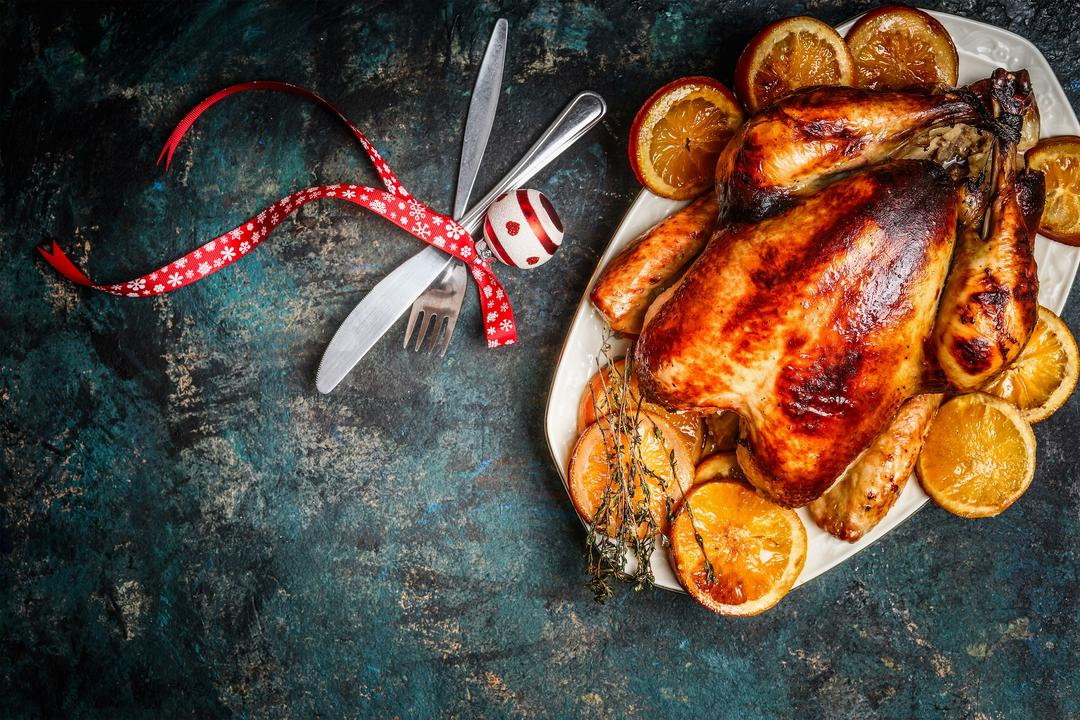
The menu for Christmas dinner in America closely resembles the meal on Thanksgiving — the centerpiece is roast turkey. The bird is marinated for about a day and roasted in the oven for three to seven hours. Sometimes the bird is stuffed with bread crumbs, potatoes, vegetables, herbs, and mushrooms. Mashed potatoes serve as a side dish. Sauces — cranberry and gravy — play an equally important role as the turkey itself.
Yule Log (France)
The people of France cannot imagine their celebration without a special Christmas dessert on the table. This is a log-shaped roll made from sponge cake with chocolate cream. The top of the cake, on the cream layer, imitates the structure of tree bark, and decorations include berries, powdered sugar, sweet snowflakes, marzipan cones, mushrooms, etc. It all depends on the confectioner's imagination. This roll is inspired by the medieval tradition of burning the Yule log.
Smoked Salmon (Ireland)
The most beloved dish of the Irish at the Christmas table is smoked salmon with shrimp cocktail, which is laid on fresh green salad leaves. Salmon can be served simply with sauce or vegetables. During the winter holidays in Ireland, such smoked fish is considered an excellent gift for colleagues, friends, and relatives.
Turrón (Spain)
Turrón is a food that is hard to imagine Christmas in Spain without. It is made from honey, almonds, egg whites, and sugar. Essentially, it is a type of nougat. Turrón can be hard — made from caramelized mass with a large amount of nuts. This type is called duro or Alicante. There is also a soft version, thanks to the addition of oil. This variety is called blando or Jijonense. Increasingly, instead of traditional almonds, turrón may contain hazelnuts and peanuts, as well as fruits, marzipan, chocolate, coconut, and other additives.
Bacalhau (Portugal)
In Portugal, as in Ireland and the Czech Republic, fish is also a must on the festive table. But unlike other countries, it is served in a special form. Bacalhau is very salty and dried cod. It is prepared in many dishes, after soaking it several times in water. On Christmas, bacalhau is traditionally served boiled with boiled potatoes and green cabbage. The dish is generously drizzled with olive oil. This is how cod was eaten 500 years ago.
Kutya (Ukraine)
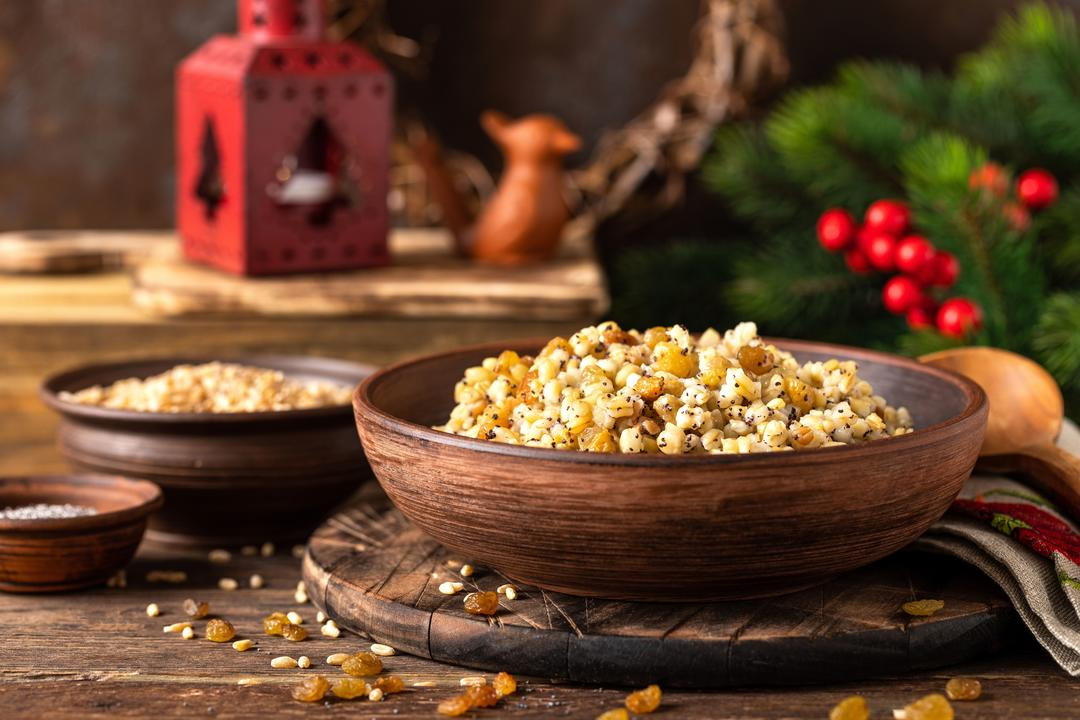
Kutya is a sweet porridge made from wheat, barley, sometimes rice, with the addition of honey, poppy seeds, raisins, and nuts. In different regions of Ukraine, the recipes vary in the composition of grains and additives. The essential sweetness of kutya remains unchanged. On Christmas Eve (the evening of January 6), it is customary for godchildren to bring kutya to their godparents for dinner. This is called "taking the evening meal." In return, children receive gifts from their godparents.
Tamale (Mexico)
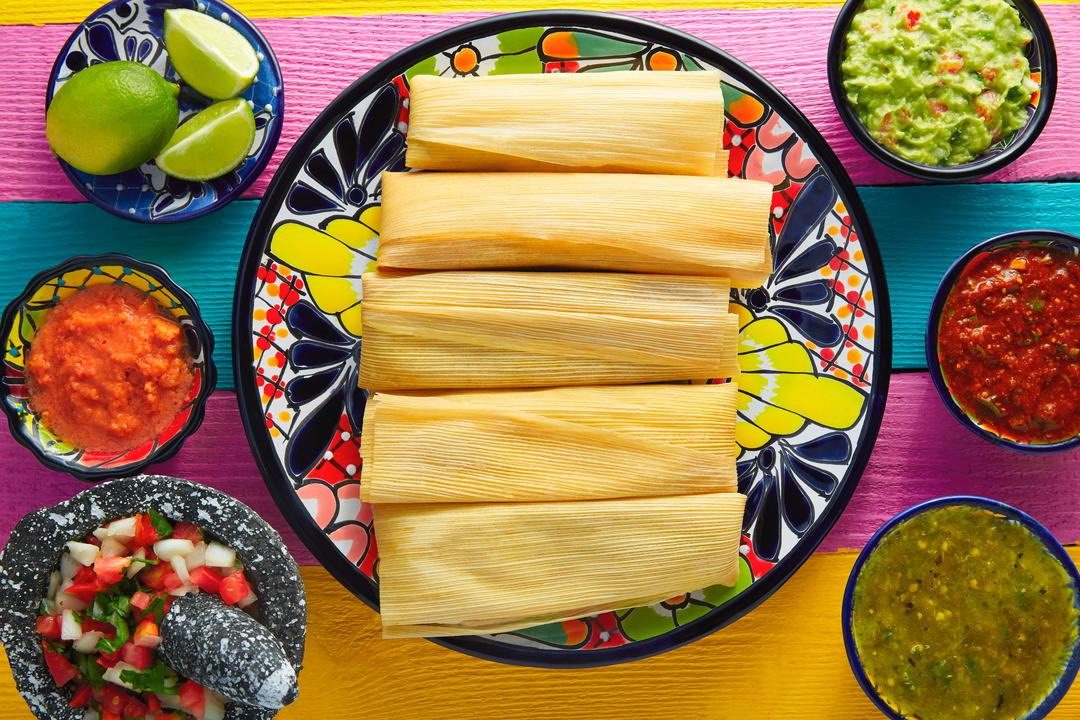
Tamale is one of the most popular dishes in South American countries. In Mexico, it is loved to prepare for Christmas. Essentially, these are cornmeal cakes wrapped in corn husks. Inside, meat, vegetables, cheese, and even fruits are often added. Tamales are steamed. Before consumption, the corn husk needs to be unwrapped. It is only used to shape the filling.
Lechon (Philippines)
It is hard to imagine a Filipino Christmas without the ceremonial dish called lechon. This is a whole roasted suckling pig, which is cooked on a spit over hot coals. As a result of this long process, a crispy golden crust forms on the outside, while the inside is tender meat. The dish is seasoned with green onions, bay leaves, black pepper, garlic, salt, lemongrass, and tamarind.
Joulutorttu (Finland)
Joulutorttu is a traditional Finnish puff pastry in the shape of a child's toy pinwheel or star. Ricotta cheese is always added to the dough, giving it fluffiness and elasticity. The filling is made from plum jam. Sometimes apple jam with cinnamon is placed inside. The dessert is dusted with powdered sugar on top.
Doro Wat (Ethiopia)
Doro wat is a traditional Christmas dish in Ethiopia. In this African country, Orthodox Christians celebrate the birth of Jesus on January 7. Before this, they undergo a 43-day fast, which ends with the consumption of doro wat. This is a stew made from rooster with hard-boiled eggs. The main feature of the dish is the spicy berbere spice mix, which includes fenugreek, cardamom, and coriander, among other things. A large amount of clarified butter is also added to the meat. This delicacy is traditionally eaten with fermented flatbread called injera.