
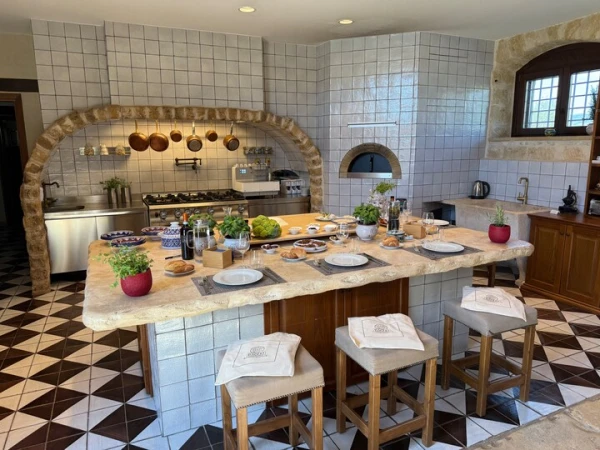
In an era of change and a desire for new experiences, the concept of "home restaurants" is experiencing a surge in popularity. This phenomenon, which originated during periods of economic hardship and social transformation, is being redefined today and taking on new forms, blurring the lines between personal and public space. As one English family, who opened the doors of their kitchen to guests, noted: "People are tired of paying £22 for pasta that they can make at home for £3." This phrase reflects a general dissatisfaction with inflated prices and a desire for a more authentic and accessible gastronomic experience.
"Home restaurants" and "home cafes," which emerged as a response to economic challenges, are experiencing a renaissance. In the UK, for example, more and more people are offering not only rooms for rent but also a place at their table, inviting strangers to share a meal. This model of shared consumption, which manifested during past crises, is gaining momentum today amid global instability.
We may soon get used to the idea that unfamiliar people will be sitting at every table. This trend has deep historical roots. The concept of "Home Restaurant" and "home cafe" has developed in various corners of the globe, often in response to economic crises, high rents, or social changes, and later transformed into a fashionable phenomenon and a symbol of special status.
Let’s take a closer look at the countries where "home restaurants" have become part of the culture:
Cuba: "Paladares" – Born out of Necessity
Cuba is one of the most well-known and longstanding examples of this concept.
Thank you for watching the ads, it supports the project. Scroll to continue reading
Reason for Emergence: The collapse of the Soviet Union in the 1990s led Cuba into a severe economic crisis known as the "special period." Due to a lack of restaurants, the government allowed families to open "paladares" – home restaurants for tourists.
Features: Initially, only family members were allowed to work in "paladares," and the number of seats was limited. Today, as culinary critics note, the best dishes in Cuba can be tasted not in state-run restaurants but in these stylish home establishments.
Argentina: "Puertas Cerradas" – Gastronomy Behind Closed Doors
Reason for Emergence: The economic crisis of 2001 left many chefs without jobs and the opportunity to open their own restaurants.
Trend: Chefs began to open "Puertas Cerradas" (closed doors) – restaurants in their homes. This gave rise to a unique underground gastronomic culture in Buenos Aires, where restaurants do not have signs, and entry is only possible by reservation and recommendation.
USA and UK: "Dinner Clubs" – The Secret of Taste and Communication
History: The roots of this phenomenon in the USA go back to the Prohibition era of the 1930s and the underground bars known as Speakeasies.
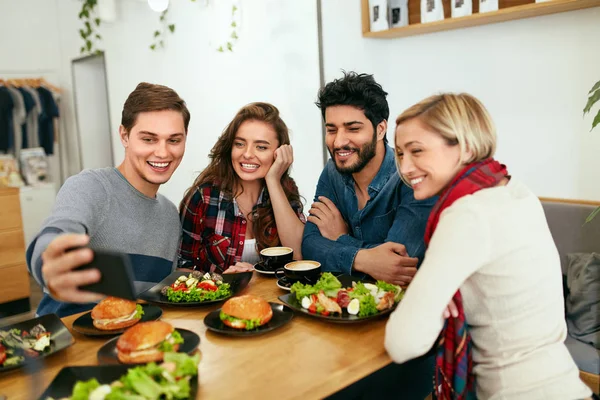
Modern Trend: In the 2010s, "Dinner Clubs" came back into fashion, especially in New York and London. However, unlike during crisis times, they are now based not so much on saving money but on the desire for new experiences and socialization. The idea is to visit unfamiliar people in their homes, share a dinner at a common table, and get acquainted with a specially prepared author’s menu for the evening.
Hong Kong: "Private Kitchens" – Flavor Amid High Rent
Reason for Emergence: Hong Kong is known for having the highest commercial rent in the world.
Features: Chefs who cannot afford rent open "private kitchens" on the upper floors of residential buildings, without placing signs outside. These establishments are hugely popular in Hong Kong, and some have even received Michelin stars.
South Korea: "Home Cafe" – Visual Aesthetics and Comfort
Reason for Emergence: The rise of social media (Instagram/TikTok) and the pandemic.
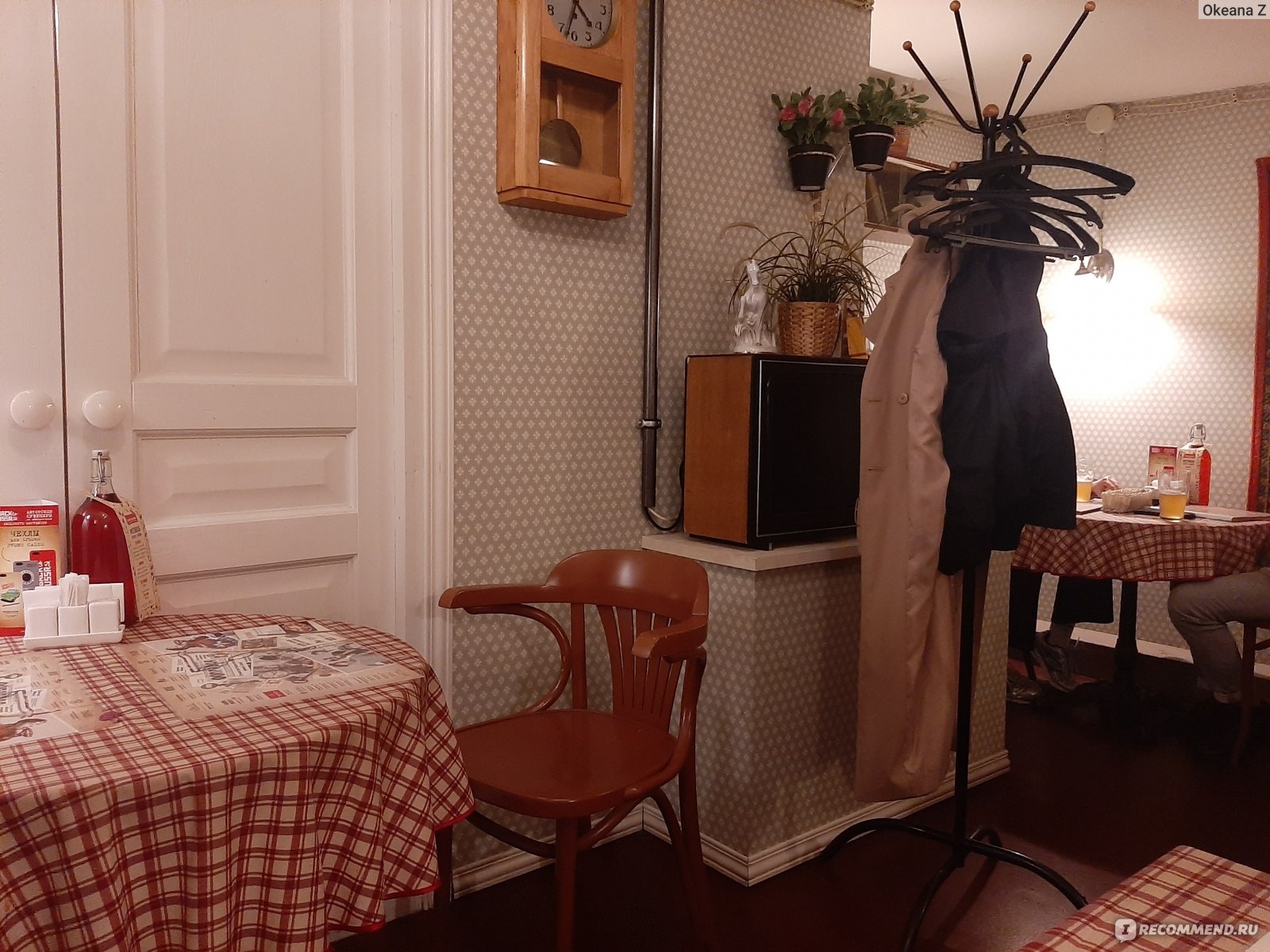
Trend: In South Korea, a "home cafe" is more of a trend aimed at creating a professional cafe aesthetic at home than a business model. People turn a corner of their home into a mini-cafe, prepare elaborate coffee drinks in stylish cups, and share them on social media. This movement arose from a desire to bring the cafe atmosphere (expensive coffee, stylish presentation) into the home environment. It can be considered a kind of "visual movement," where the aesthetics of consumption become more important than the food itself.
Italy: "Cesarine" and "Home Cooking" – Preserving Culinary Heritage
Features: In Italy, this is more of a cultural preservation project than a restaurant business. Through networks like "Le Cesarine," Italian "aunts" open their homes to tourists. The goal is not so much to make money as to preserve local recipes and the cuisine of "nonna" (grandmother), which are at risk of disappearing.
"Home restaurants" are a multifaceted phenomenon that reflects economic, social, and cultural changes in the world. They offer an alternative to traditional restaurant businesses, providing an opportunity to enjoy authentic cuisine, meet new people, and support local culinary traditions.














Leave a comment