
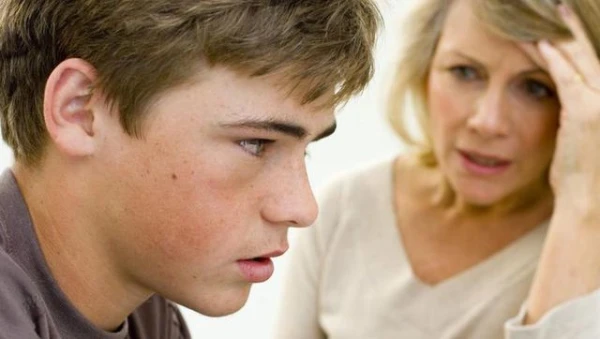
During puberty, adolescents face challenges both mentally and physically. We explore what signs may indicate hormonal disorders and when it is advisable to consult a specialist.
The hormonal system begins to actively reorganize at the age of 9–11 for girls and 11–13 for boys. It remains unstable until 16–17 years old. During this time, the body grows faster than hormonal fluctuations can stabilize. The functioning of the thyroid gland changes, androgen levels increase, and the load on the nervous system rises. When combined with typical adolescent factors—stress, lack of sleep, a sedentary lifestyle, and irregular nutrition—the symptoms can become more pronounced. Some manifestations are somewhat normal, but there are signs that require special attention.
Why Everything Changes at This Age
Puberty is a phase of accelerated growth and unstable regulation. During this period, girls develop their menstrual cycle, and tissue sensitivity to estrogen and progesterone changes. In boys, testosterone levels rise, leading to changes in voice, increased activity of sebaceous glands, and muscle mass growth.
The body is functioning at its limits. Additionally, chronic sleep deprivation, gadgets, exams, anxiety, and erratic eating patterns increase the burden on hormonal mechanisms and amplify all manifestations.
This age is a period of maximum vulnerability. Even a slight deficiency of iron or vitamin D can cause fatigue, brittle nails, and concentration problems. Irregular nutrition and high loads increase the risk of insulin resistance. Girls may experience acne, oily skin, and irregular cycles. Boys may experience fluctuating testosterone levels, which affect behavior and emotional reactions.
The thyroid gland also operates unstably: a slight decrease in TSH or T4 hormones can provoke irritability, drowsiness, and difficulties in learning.
What Signs May Indicate Hormonal Disorders
Fluctuations in energy and mood are normal during adolescence. However, if the symptoms from the list below persist for a long time or become too pronounced, interfering with daily life, it is a signal that the body needs help.
- Moderate to severe acne;
- Sudden weight gain or loss;
- Hair loss or increased growth;
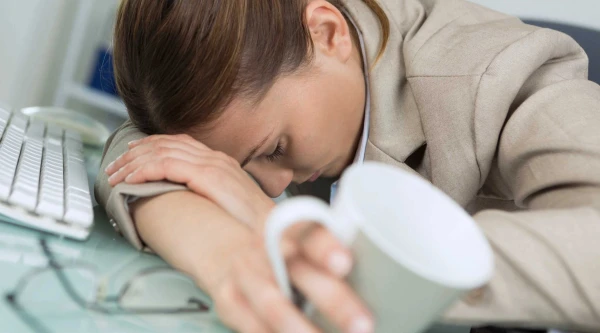
- Severe fatigue, drowsiness, the child is constantly cold;
- Headaches, palpitations, tremors;
- Sharp emotional reactions, irritability, apathy;
- Slowed or excessively rapid growth;
- Cycle irregularities: infrequent periods, absence of menstruation for 3 consecutive months, severe pain.
When to Get Tested
If the cycle has been disrupted once or several breakouts have appeared, there is no need to panic. But in these cases, an examination should be conducted. Usually, the doctor prescribes TSH, free T4, ferritin, vitamin D, glucose, and insulin; for girls, additional hormones that regulate the cycle.
An unstable cycle lasting more than 2 years after the first menstruation;
- Noticeable weight fluctuations;
- Severe acne;
- Chronic fatigue, drowsiness, concentration problems;
- Hair loss, dry skin, feeling cold;
- Pulse fluctuations, anxiety, tremors;
- Sudden decline in academic performance without visible reasons.
What Helps Stabilize the Condition
The adolescent body in a stressful period needs a stable foundation. Start with this—often simple solutions work more effectively than complex schemes. Self-medication or "vitamins just in case" will not yield results and may even be harmful—first, it is necessary to determine which system has failed.
- Sleep for at least 8.5–9.5 hours;
- Regular nutrition, without skipping breakfast and long breaks;
- Sufficient protein intake;
- Daily physical activity (at least 40-60 minutes);
- Limiting gadgets before bedtime;
- Correcting deficiencies based on tests after consulting a doctor.
When to See a Doctor
If symptoms persist for more than a month, interfere with studies, sports, social life, or are accompanied by pronounced fatigue, do not hesitate to consult a specialist. They will collect a medical history and determine which changes are age-appropriate and which require monitoring or treatment.
Support during this period is important not only for health but also for a sense of stability. Proper diagnosis and correct steps help to navigate this challenging stage of growing up without unnecessary anxiety for parents and adolescents.











Leave a comment