
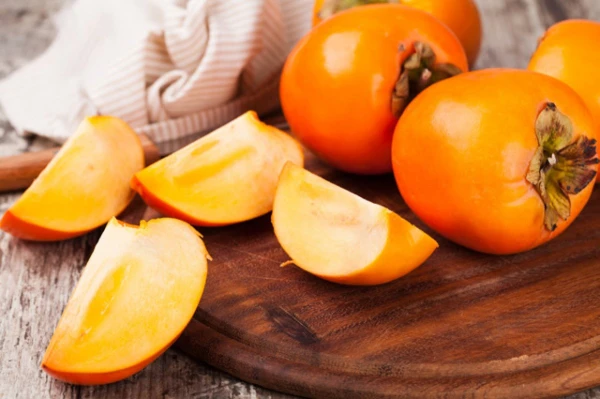
Persimmon is the fruit of several species of trees in the ebony family. To be more precise, persimmons are the berries of these plants. Bright, juicy, tasty, boldly orange — a true delicacy and our main antidepressant during the gloomiest and darkest time of the year when daylight is visibly decreasing. It is no coincidence that the Latin word for persimmon translates to "heart apple." But does persimmon only bring benefits to our body? And for whom can these fruits become a source of discord and worsen well-being?
Expert: Olga Yermoshina, dietitian, gastroenterologist, specialist in rational nutrition
What is Beneficial in Persimmon
-
43% of the daily fiber norm
-
22% of the daily potassium norm
-
30–43% of the daily iron norm
-
18% of the daily manganese norm
-
23% of the daily vitamin C norm
-
30–35% of the daily beta-carotene norm
Health Benefits of Persimmon
-
Prevents Aging
Persimmon contains a large amount of antioxidants. These substances can neutralize free radicals, which cause aging processes and wear on the body.
The orange color of persimmon signals a high content of beta-carotene, a provitamin A — a powerful antioxidant beneficial not only for vision but also for tissue regeneration throughout the body, protecting skin cells from damage and dryness.
The antioxidant activity of vitamin C mobilizes the body's defenses against infections and is an important anti-inflammatory agent. Persimmon contains more vitamin C than oranges. However, this is not always the case: as soon as the fruit is picked from the tree, the process of ascorbic acid degradation begins, with its content decreasing by 10% after a week of storage and almost halving after two months.
Recent studies conducted in the USA with 7,000 volunteers have shown that regular consumption of three antioxidants — lutein, zeaxanthin, and beta-cryptoxanthin — and maintaining their levels in the blood contribute to the prevention of senile dementia. Persimmon is a leader among fruits in the content of cryptoxanthin, which reduces the risk of dementia by 14%.
-
Protects the Heart and Blood Vessels
Persimmon does not contain many acids, but those that are present are very valuable for the body. Tannic and gallic acids help lower blood pressure and combat cholesterol plaques, reducing the risk of heart and vascular diseases. A diet high in potassium and magnesium, which are significantly present in persimmon, is effective for lowering blood pressure in people with existing hypertension. Additionally, persimmon contains enough flavonoids — plant polyphenols that help normalize blood formation and prevent thrombosis. -
Supports Thyroid Health
Persimmon is on the list of foods recommended by the WHO to combat iodine deficiency, which affects almost half of the world's population. By the way, the highest concentration of iodine is found in the "Korolek" variety of persimmon: just one fruit can meet the daily requirement for this essential element for the normal functioning of the hormonal system. -
Helps Regulate Metabolism
Persimmon contains more fiber than apples, bananas, and oranges. This is beneficial for maintaining a normal gut microbiome; in other words, persimmon helps the intestines "nourish" good bacteria and alleviates digestive problems.
In terms of vitamin B5 content, persimmon is also among the leaders. Pantothenic acid is formed in small amounts in the intestines, but we do not have enough of it, so the intake of vitamin B5 from food is necessary to establish basic carbohydrate metabolism, avoid insulin resistance, and hormonal disruptions.
The main sources of vitamin B5 are animal products; significant amounts are only found in legumes and persimmon in plant foods. Just 80 grams of persimmon is enough to meet the daily intake of this element, so vegetarians should pay special attention to this orange fruit.
-
Boosts Mood and Counteracts Stress
Vitamin B5 and magnesium are important for the synthesis of serotonin — the happiness hormone that lifts the mood. Persimmon is rich in simple carbohydrates, which literally helps to eat away stress. One should not underestimate the effect of color therapy: nutritionists recommend actively consuming orange fruits — carrots, pumpkins, persimmons, oranges — in winter, as the visual response to bright colors helps to overcome seasonal depression, which affects almost half of the population in northern countries to some extent. Interestingly, Japan has created a special "aroma of happiness" for the home that combines the scent of persimmon and green tea.
How Persimmon Can Be Harmful
-
Does Not Aid Weight Loss and Affects the Pancreas
At first glance, the calorie content of persimmon is low — 70 kcal per 100 grams. However, persimmon is one of the sweetest fruits, containing 25% sucrose, which is pure fast carbohydrate. This means that by eating one persimmon, you are consuming a tablespoon of sugar.
However, the glycemic index of persimmon is lower than that of grapes, for example — the tannins that give persimmon its astringent taste slow down the absorption of nutrients, including carbohydrates. But those prone to weight gain, with insulin resistance or diabetes, as well as problems with the pancreas, should approach persimmon with caution. Persimmon is a sweet dessert, especially when dried.
-
Unripe Persimmon Can Cause Indigestion
Excessive consumption of persimmon, especially if the fruits are unripe and astringent, can lead to digestive system disruptions due to insoluble fiber combined with tannins. Tannins in the acidic environment of the stomach form a gel-like mass that binds food fibers into indigestible compounds (so-called bezoars that slow down the digestion process and block part of the digestive tract). Most often, one can get rid of it with burping and the feeling that the astringent fruit has created a lump in the throat, but the consequences can be much more serious, leading to indigestion and intestinal obstruction. -
May Cause Allergies
Persimmon contains substances that can cause allergies, particularly certain proteins, such as pectin methylesterase inhibitor. Allergic reactions can manifest as skin reactions or digestive function disruptions (colitis, irritable bowel syndrome). The allergenicity of persimmon decreases with drying and heat treatment, as the allergenic proteins are destroyed.
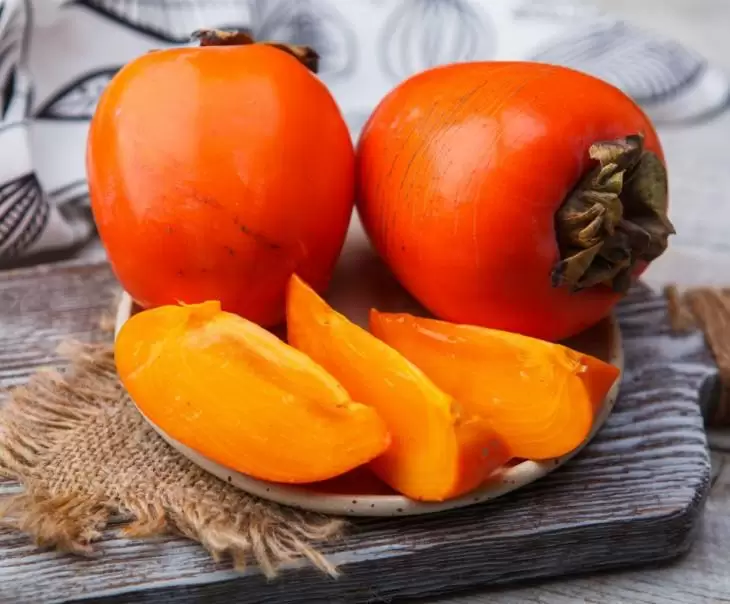
How to Eat Persimmon to Avoid Problems
-
150–200 grams of persimmon per day, or on average one fruit, is the norm for healthy adults. It is better not to give persimmon to children under 3 years old: tannins can negatively affect their undeveloped digestive system.
-
It is best to consume persimmon at the peak of the season — from October to January. Although today there are varieties that bear fruit almost year-round, the amount of beneficial substances in the fruits noticeably decreases out of season.
-
If there are no allergic reactions to persimmon, it is better to consume the fruit fresh — in salads, smoothies, or on its own, rather than in the form of jam or jelly. Heat treatment is fatal for vitamin C, and it sharply reduces the content of beta-carotene and polyphenols. It is not advisable to eat persimmon on an empty stomach: in this case, tannins will not be beneficial.
-
Do not peel ripe persimmon — the skin contains the highest concentration of antioxidants and tannins. If the persimmon is only slightly astringent, it contains many elements beneficial for the thyroid gland — such persimmon is better eaten with the skin. But if the persimmon is extremely astringent, it is better to peel it to remove excess tannins.
-
The tannins in persimmon have the property of binding calcium in milk into an insoluble precipitate, which can lead to joint problems in the long run. Therefore, it is better to consume dairy products and persimmon separately. Alternatively, replace cow's milk in smoothies or cocktails with plant-based milk.
-
Persimmon pairs well with meat, fish, and vegetables. It is not advisable to combine it in one dish with sugar-rich fruits — bananas, grapes, etc., as this may increase blood sugar levels. For the same reasons, desserts with persimmon — ice cream, chocolate, sweet cocktails — should be approached with caution: persimmon can serve as a dessert on its own.
















Leave a comment