Pasta is a simple and straightforward product at first glance — really, what’s there to complicate? In reality, the shape, flour, and texture create the desired flavor and also determine how well the sauce will adhere and whether the dish will hold its shape. We have gathered the main rules that will help you confidently choose pasta for a specific dish, ensuring you don’t miss the mark on flavor or presentation.
Match the Shape to the Sauce
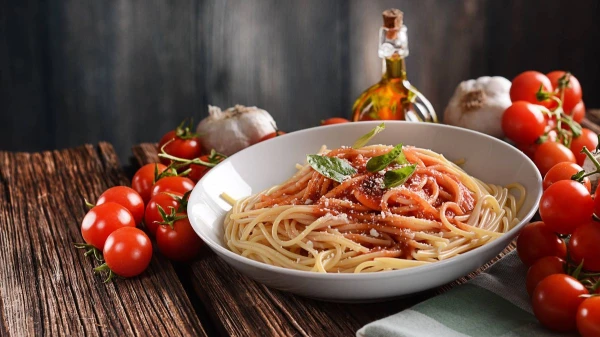
The general rule is simple. The thicker and more complex the sauce, the shorter and more textured the pasta should be. Smooth and long shapes work better with flowing sauces. Tomato sauce and ragù with chunks of meat prefer rigatoni, penne, and fusilli, while creamy and buttery sauces go well with long noodles — such as spaghetti, linguine (flat type), and tagliatelle (the same but wider). For seafood sauces, thin long pasta is preferred to avoid overpowering the delicate flavor. Linguine alle vongole is a classic example.
Look for Durum Wheat Flour
The packaging should say "durum wheat semolina" or "hard wheat flour." Such pasta holds its shape, doesn’t turn mushy, and provides the right firmness. If you want a silky texture for sauces made with oil and eggs, look for egg pasta. For a firmer bite, choose egg-free pasta made from 100 percent durum flour.
Pay Attention to the Surface
Forming spaghetti in bronze dies gives a rough pasta with micro-cracks on the surface — the sauce clings to it better, resulting in a richer flavor. On the other hand, smooth "Teflon" pasta is more slippery. It is convenient for salads and dishes where there is minimal sauce. In the store, look for the label "bronze cut" or simply examine the surface. A matte and slightly uneven texture is ideal for dishes with various sauces.
The Size of Ingredients Should Match the Size of the Pasta
Large pieces of vegetables and meat pair well with wide tubes and large shells. Small cuts, of course, prefer pasta of the same scale. For instance, pesto with finely chopped herbs and nuts goes well with trofie or fusilli. Vegetable sauté made from zucchini and peppers pairs with casarecce or pappardelle if the cut is large. And ragù Bolognese holds better on tagliatelle than on thin spaghetti.
Consider Protein Content and Cooking Time
The higher the protein, the better the pasta holds the desired al dente texture. A good benchmark is 13% and above. Use the lower end of the cooking time indicated on the package, and finish cooking the pasta in the pan with the sauce using one cup of starchy cooking water. This way, the flavor will be brighter, and the sauce will become glossy and cohesive.
For Casseroles and Soups — Specific Shapes
Casseroles require shapes that do not fall apart and hold layers. Penne rigate, rigatoni, ziti, and conchiglioni are convenient for stuffing, covering with sauce, and baking under cheese. For soups and broths, choose small shapes — orzo, anelli. They won’t draw attention to themselves and will distribute evenly in the spoon.