
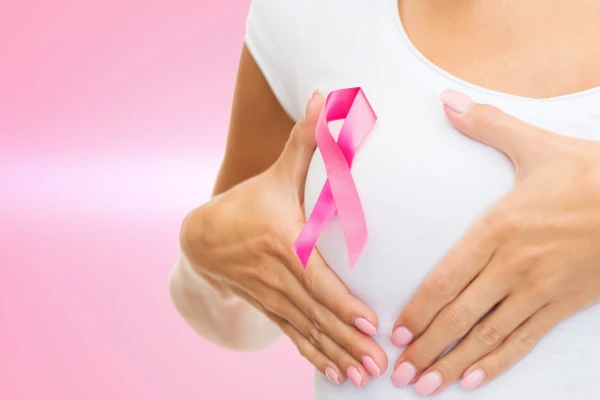
Breast cancer is the leading oncological disease among women. Its early diagnosis can save lives, yet many patients consult a doctor too late. Experts emphasize that awareness and regular examinations are critically important for timely detection of the disease.
Timely consultation with a specialist allows for the detection of cancer at an early stage, when the chances of complete recovery reach 96%.
Statistics and Relevance of the Issue
- The incidence of malignant neoplasms of the breast in Ukraine has more than doubled over the past 15 years.
- In 2019, breast cancer was diagnosed in more than 13,000 Ukrainian women, of whom 40% died, and one in ten women did not survive a year after diagnosis.
- When detected at the first stage, over 90% of women completely overcome the disease; at the second stage — about 80%, at the third — approximately 50%.
- Worldwide, more than 15 million women live with a diagnosis of breast cancer, and more than 6 million die each year.
Why Early Diagnosis is Important
Breast cancer can develop asymptomatically, so regular preventive examinations and self-examinations are critical. Although there is currently no effective scientifically proven prevention, the risk can be reduced by:
- giving up harmful habits,
- maintaining a healthy lifestyle,
- following doctors' recommendations.
Who is at Risk
- first-degree relatives with a history of breast cancer;
- absence of pregnancy or childbirth;
- first pregnancy after age 30;
- age over 40;
- early onset of menstruation (before age 12);
- late menopause (after age 55);
- prolonged use of hormonal contraceptives or hormone replacement therapy;
- diabetes;
- overweight and obesity;
- smoking and alcohol abuse;
- hypertension;
- history of breast or ovarian cancer;
- exposure to radiation.
Symptoms Indicating Possible Disease
- enlargement of axillary or supraclavicular lymph nodes;
- erosions, scales, ulcers on the nipple or areola;
- thickening or neoplasm in the breast;
- change in color or texture of the breast skin;
- retraction of the nipple into the tumor;
- clear or bloody discharge.
Regular self-examinations and visits to a mammologist allow for the detection of cancer at early stages and significantly increase the chances of recovery.
Source: health.hochu













Leave a comment