
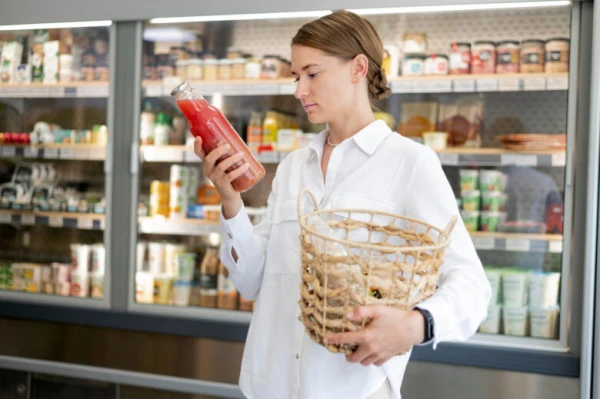
Today, many consumers are wary of food additives. The concerns are not unfounded: some of them are indeed harmless, but certain substances can cause serious harm to health. Therefore, it is important to know how to read the composition on the packaging and understand what is hidden behind the label "E."
Below are additives that are permitted for use but raise questions among specialists.
Sodium Nitrite (E250)
This salt of nitrous acid is often used in meat products to give them an appealing pink hue and to prevent botulism. However, the substance has a downside: when it interacts with amines in meat, nitrosamines are formed, which have carcinogenic effects. Scientists link regular consumption of processed meat with an increased risk of bowel cancer. Additionally, sodium nitrite can provoke migraines.
Sulfur Dioxide (E220)
A preservative that can be found in dried fruits and wine products. It slows down oxidation processes and suppresses the growth of microorganisms. In small doses, sulfur dioxide is relatively safe, but it can cause allergic reactions and asthma exacerbations in sensitive individuals. To reduce its concentration, dried fruits are recommended to be thoroughly washed and soaked in hot water.
Butylated Hydroxyanisole (E320)
An antioxidant and preservative used to extend the shelf life of products. A number of studies indicate possible carcinogenic properties of the substance. In small doses, these have not been identified, but specialists note that many additives are reviewed over time, and what was considered safe yesterday may turn out to be harmful tomorrow.
Sodium Benzoate (E211)
One of the most common preservatives. The danger increases when it interacts with vitamin C: in this case, carcinogenic compounds are formed. Therefore, for example, sauerkraut with sodium benzoate becomes a potentially dangerous product.
Potassium Bromate (E924)
Used in the baking industry to give dough softness and an airy structure. However, studies show its carcinogenic properties, raising serious concerns among specialists.
What is Important to Remember
-
Even permitted additives can be unsafe if consumed regularly or in combination with other substances.
-
When purchasing, it is advisable to pay attention to the composition and, if possible, choose products without unnecessary preservatives and colorants.
-
Dried fruits, wine, sausage products, and baked goods are the categories of products where controversial additives are most often found.
-
Reading labels is a simple but effective way to protect yourself and your family from potentially harmful substances.












Leave a comment