
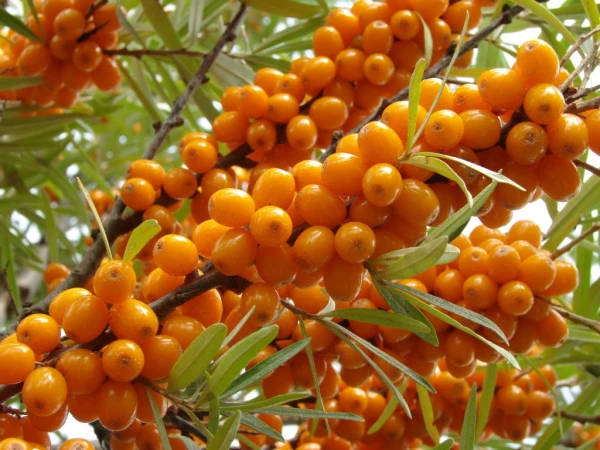
Sea buckthorn is rightly considered one of the most beneficial berries. Its bright orange fruits contain a record amount of vitamin C, exceeding that found in citrus fruits by 10–15 times. It includes vitamins A, E, K, B group, as well as rare omega-7 fatty acids, flavonoids, and carotenoids.
However, behind the external appeal of this "golden berry" lie characteristics that may bring more harm than good for some individuals. Nutritional expert and biochemist Anna Divinskaya elaborated on this.
High Acidity — The First Warning Sign
Sea buckthorn contains a large amount of organic acids, including malic, citric, and oxalic acids. Therefore, it is extremely undesirable for people with gastrointestinal diseases in the acute stage to consume it. "In cases of gastritis with high acidity, peptic ulcer disease of the stomach and duodenum, consuming sea buckthorn can provoke pain syndrome, heartburn, and worsen the condition of the mucous membrane," our expert explains.
It is also better for those with reflux esophagitis to avoid the berry. The acids in sea buckthorn can exacerbate the reflux of stomach contents into the esophagus, which will only worsen the condition.
Allergenic Potential of Sea Buckthorn
Although this berry is not on the list of major food allergens, it can cause cross-allergic reactions in people with pollen allergies. This is especially true for those who are allergic to birch, alder, or hazel pollen. The carotenoids contained in sea buckthorn can provoke pseudo-allergic reactions, such as skin rashes, itching, or digestive disorders.
Sea Buckthorn and Urolithiasis
The high content of oxalic acid in the berry is dangerous for people with kidney stones. If you consume sea buckthorn regularly, be aware that recurrences of urolithiasis may increase, as oxalates can accumulate in the body. Additionally, it is advisable to exclude sea buckthorn from the diet for those with impaired oxalic acid metabolism.
Interaction with Medications
Sea buckthorn contains compounds that can affect the metabolism of certain medications. "Particular attention should be paid to those taking anticoagulants — the vitamin K in sea buckthorn often reduces the effectiveness of blood-thinning medications. People undergoing statin therapy should also be cautious, as some components of sea buckthorn can enhance their effects," explains the nutritionist.
Individual Intolerance
Strangely enough, there are individuals who may have an individual intolerance to sea buckthorn, manifesting as nausea, diarrhea, or bloating. This is related to the peculiarities of the enzymatic system or increased sensitivity to the biologically active substances contained in the berries.
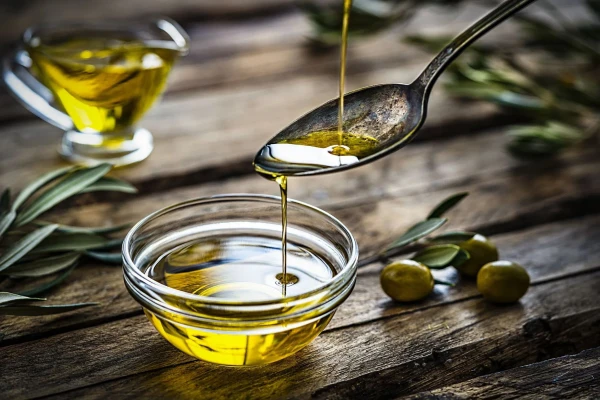
"Despite its numerous health benefits, sea buckthorn is not a panacea. Before including it in the diet, individuals with chronic diseases should consult a doctor. If you have no contraindications, it is best to consume the berry in moderation — no more than 100 grams per day or 1–2 tablespoons of sea buckthorn oil per week," advises Anna.
Remember: even the healthiest product can cause harm if consumed improperly. Listen to your body and do not ignore signals of intolerance.













Leave a comment