
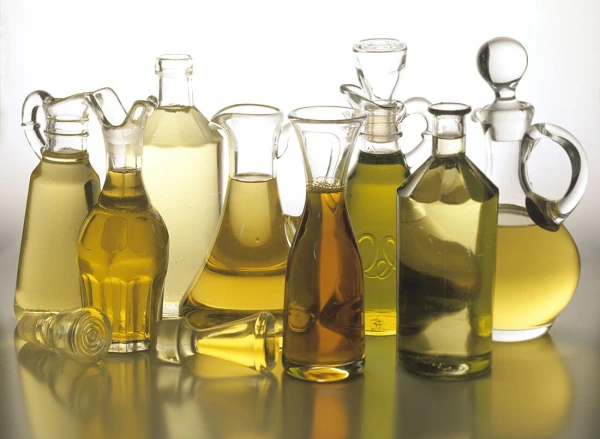
The right oil is flavor, health benefits, and safety in cooking. The decision is influenced by the degree of refinement, fatty acid composition, heat resistance, and storage conditions — all of which are important to know, as we use oils constantly. Nutritionist Elena Mukhina provided clear guidance on types and temperature regimes, along with practical tips for choosing the right product.
Oils for High Temperature
For frying, woks, and grill pans, heat-resistant oils are needed. The best are refined oils with a high content of monounsaturated fatty acids and a high smoke point. "This is refined avocado oil with a neutral taste for steaks and vegetables, and light olive oil, which is refined, not extra virgin in any case.
High-oleic varieties of sunflower and safflower oils have proven to be excellent. Refined peanut oil is also a good choice, as it confidently holds the top spot in Asian cooking techniques," says the expert. For frying, use a fresh batch and do not overheat; repeated heating worsens the taste and increases the amount of undesirable oxidation products.
Oils for Medium Temperature
Sautéing, stewing, and baking require a balance of flavor and stability. Here, extra virgin olive oil is appropriate at moderate heat, as it gently enhances the flavor of vegetables and fish. Unrefined sesame oil works well in quick dishes over medium heat and acts as a fragrant finishing note. Refined canola oil is convenient as an everyday universal base.
Oils Only for Cold Dishes
Delicate polyunsaturated fats do not like heat, but they provide benefits in salads and prepared cereals. "Flaxseed oil is the main home source of plant-based omega-3s; it should be kept in the refrigerator and added directly to the plate. Walnut oil adds a subtle nutty note to roasted vegetables and cheeses. Pumpkin oil enhances the flavor of grains, legumes, and the pumpkin itself, while delicate unroasted sesame oil is for cold sauces and snacks. These oils should not be heated or put in a pan; their role is a finishing touch," states the nutritionist.
What to Part With
If the oil smells strange from the bottle or has a distinctly bitter taste, it has gone rancid. Its place is not in the kitchen but in disposal. Do not keep nameless blends without dates and raw materials on the label at home, and never use dark thick residues from frying.
Oil has two enemies — light and heat. Keep bottles in darkness and coolness, and close them tightly. Fragrant unrefined oils are better purchased in small quantities and stored in the refrigerator. Heat the pan moderately and then add the oil and ingredients. If smoke appears, remove the pan from the heat and let it cool; this preserves the taste of the dish, your dinner, and your health. Do not stockpile. Once you open a bottle, use it within 1–3 months; long storage, even with a normal smell, means gradual oxidation and loss of nutrients and vitamins.










Leave a comment