
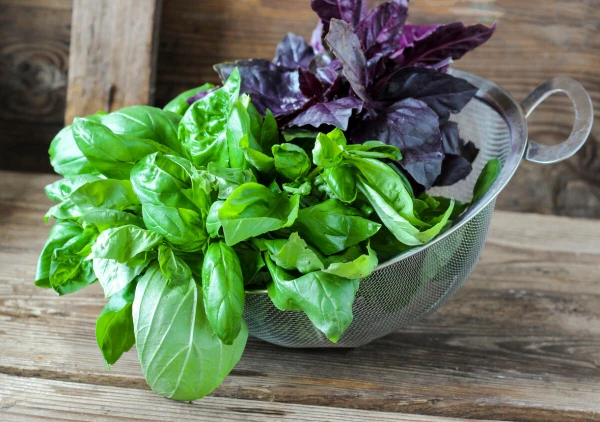
This Mediterranean herb can be not only a garnish for dishes but also a powerful ally for your health.
Basil has long won the affection of chefs around the world: its fresh, slightly peppery taste brightens food, while its aroma becomes more intense. However, as modern research shows, this herb is not just a spice. Its leaves contain a whole set of biologically active compounds that affect heart health, metabolism, and even gut health.
We have compiled five science-backed reasons to add basil to your diet, along with tips on how to use it effectively in cooking.
1. Rich in Antioxidants and Heart Protection
Fresh basil contains eugenol and rosmarinic acid—antioxidants that reduce oxidative stress. According to a review in the Journal of Agricultural and Food Chemistry (2019), regular consumption of foods high in antioxidants is associated with a reduced risk of cardiovascular diseases.
Kitchen Practice
-
Add fresh basil to dishes after cooking—this way, the antioxidants are better preserved.
-
Try making basil oil: blend chopped leaves with olive oil and use it as a dressing for salads or fish.
2. Vitamin and Mineral Concentrate
Although basil is consumed in small amounts, it is rich in vitamin K (important for blood clotting and bone health), vitamin A, and calcium. A study in Nutrients (2021) confirms that even moderate consumption of this herb can contribute to the prevention of osteoporosis and support immunity.
Kitchen Practice
-
Add basil to green smoothies along with spinach and apple.
-
Make cottage cheese or yogurt dips with finely chopped basil for snacks.
3. Reduction of Inflammatory Processes
The phytonutrients in basil, including polyphenols, have pronounced anti-inflammatory effects. A review in Phytotherapy Research (2020) showed that basil extracts reduce levels of inflammatory markers in people with metabolic syndrome.
Kitchen Practice
Use basil in marinades for meat and fish: combining it with lemon juice and garlic enhances the antioxidant effect. Add it to vegetable stews or tomato sauces—not only does this improve flavor, but it also enhances the absorption of antioxidants.
4. Support for Blood Sugar Levels
According to the Journal of Clinical Biochemistry and Nutrition (2017), consuming basil extract may improve insulin sensitivity and help control blood sugar levels. Although there are still few studies, researchers note the potential of including this herb in the diet of people with prediabetes.
Kitchen Practice
-
Brew basil tea: pour hot water over the leaves and add lemon.
-
Use it in homemade sauces for grains (for example, in pesto for quinoa or bulgur).
5. Benefits for Digestion and Microbiota
The essential oils in basil (cineole, estragole) have a mild antispasmodic effect and may also influence the composition of gut microbiota. A study in Frontiers in Microbiology (2022) noted that regular consumption of this herb is associated with improved balance of beneficial bacteria.
Kitchen Practice
-
Add leaves to pureed soups (pumpkin, tomato) for a gentle effect on the gastrointestinal tract.
-
Use it in fermented snacks: basil pairs well with kimchi or vegetable pickles.
How to Incorporate Basil into Your Daily Diet
-
Pesto for the week. Make a large batch and store it in the refrigerator—use it as a sauce for pasta, salads, and sandwiches.
-
Freezing in cubes. Chop the leaves, mix with olive oil, and freeze in ice cube trays—ready-made dressing is always on hand.
-
Pairing with fruits. Basil goes well with strawberries, mangoes, and citrus—add the herb to smoothies or fruit salads.
-
Refreshing drinks. Brew it with mint or add it to lemonade.
Basil is much more than a fragrant seasoning. Modern research confirms its antioxidant, anti-inflammatory, and metabolic effects. By adding this herb to various dishes—from smoothies to stews—you will not only enhance the flavor of your food but also contribute to heart health, digestive system, and metabolism.













Leave a comment