
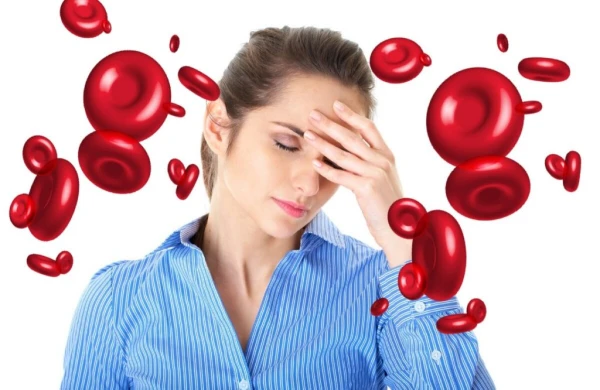
After forty-five, iron often "drops" without any particularly dramatic symptoms. A bit of fatigue, slight shortness of breath on the stairs, irritability, drier skin than usual — and it seems that this is just age or stress. In reality, low iron levels can quietly "disassemble" the hormonal background, sleep, and memory, as well as productivity and mood. The good news is that deficiency is most often reversible if you understand the cause and replenish reserves correctly. Nutritionist Elena Mukhina shared the details.
Libido and Hormonal Background
Iron is involved in the synthesis of sex hormones and the transport of oxygen to the pelvic tissues. When ferritin is low, the body conserves resources, and the brain "cuts off" what is not vital — desire, arousal, and the vividness of sensations. "Additionally, with iron deficiency, prolactin often increases, and the thyroid slows down, which also reduces sexual desire and dampens orgasmic response. If the intimate sphere has diminished, and tests for estrogen and testosterone are normal, check your iron levels — this is a common hidden cause," explains the expert.
Sleep and the Nervous System
Iron is necessary for the functioning of dopamine and GABA — the main regulators of calmness. Its deficiency is associated with restless legs syndrome, nighttime awakenings, shallow sleep, and early rising without a feeling of rest. Hence, there is "brain fog" in the morning and the need for a second cup of coffee just to get going. Normal ferritin often stabilizes the sleep cycle and reduces the craving for stimulants during the day.
Memory, Attention, Speed of Thought
Low iron decreases oxygen delivery to neurons and worsens the myelination of nerve fibers. "This manifests as forgetfulness of names, the ability to instantly lose the thread of conversation, and slow switching between tasks. Under stress, the brain starts to 'float', and in the evening, it becomes impossible to finish a page. When levels are restored, people often note that it becomes easier to learn new things and their usual reaction speed returns," emphasizes the doctor.
Thyroid and Metabolism
Iron is a cofactor for the enzyme that converts hormone T4 into active T3. With a deficiency of this micronutrient, tissue hypothyroidism can masquerade as 'age-related slow metabolism': feeling cold, weight gain from a normal diet, constipation, and brittle nails. Conversely, if you are already treating your thyroid but your well-being does not reach normal levels, check your ferritin. Often, adjusting iron levels provides the missing boost for positive changes.
Mood and Stress Resilience
Iron is involved in the synthesis of serotonin and norepinephrine, so its deficiency often leads to mood swings, anxiety without cause, and sudden fatigue from social contacts. Restoring iron levels often smooths out emotional ups and downs and reduces the number of negative reactions to stress.
Endurance, Heart, Recovery
Hemoglobin is the transport for oxygen. When both hemoglobin and ferritin are low, muscles become acidic more quickly, the heart works under strain, and the pulse increases faster than usual under the same load. After exercise, muscles hurt longer, and a simple walk feels like a march. Elevated ferritin increases the fatigue threshold, improves recovery, and reduces risks for the cardiovascular system. As a bonus, skin, hair, and nails improve, and immunity is less compromised during cold season.
How to Safely Supplement Iron
Start with diagnostics: test for ferritin, hemoglobin, transferrin saturation, total iron-binding capacity, and C-reactive protein. For good well-being, many women over 45 find their comfortable ferritin zone to be around 50–100 ng/ml, but refer to your laboratory's references and consult your doctor. Self-treatment without tests is not an option; excess iron is also harmful.
Include heme iron in your diet 3–4 times a week: beef, veal, liver once a week in small portions, turkey, oysters, sardines. From plant sources — beans, lentils, chickpeas, buckwheat, pumpkin seeds, spinach. Combine with vitamin C: citrus fruits, fermented vegetables, sweet peppers, berry sauces — this enhances absorption. Drink tea, coffee, and cocoa an hour after iron-containing meals, as they hinder absorption. Space calcium and magnesium supplements away from iron.
Support your stomach and intestines. Low acidity and the use of proton pump inhibitors impair absorption. Add fermented foods, moderate spices, and monitor regular bowel movements and microbiota. If diet does not raise ferritin levels, discuss supplements. Intravenous iron is only on a doctor's prescription and after ruling out causes of blood loss.
Don’t forget the source of deficiency. In women over 45, heavy menstruation during perimenopause, gastrointestinal blood loss, donation, and vegetarian diets with infrequent monitoring of tests come into play. Identify and close this "gap"; otherwise, replenishing reserves will be endless.











Leave a comment