Not quite. This statement reflects one scientific viewpoint, but it is far from being an accepted fact.
A study by scientists from Flinders University has indeed concluded that the current population exceeds a level that can be considered sustainable given modern resource consumption. However, it is important to understand several nuances here.
What does "optimal population" mean?
The figure of 2.5 billion people is not a biological limit of the Earth, but rather a calculated estimate for a certain level of consumption and ecological impact.
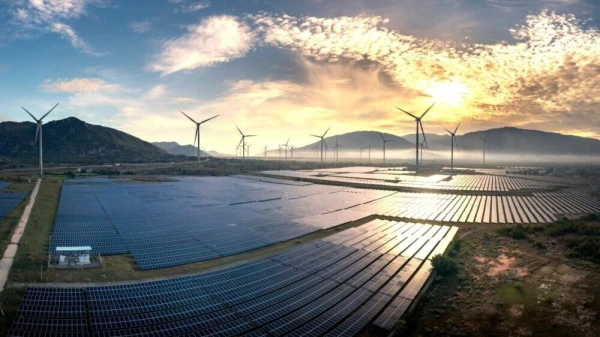
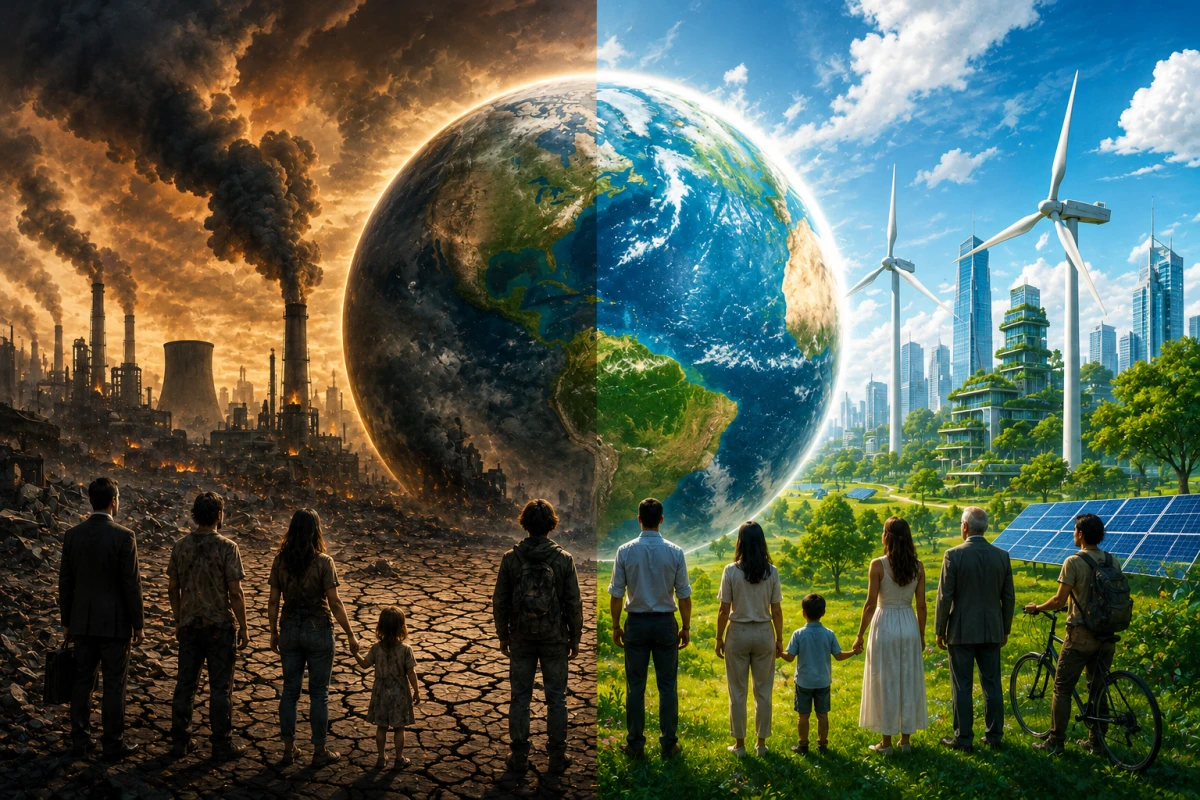
If all people were to live according to the model of developed countries with high energy consumption, meat, cars, and goods, then the planet would indeed require significantly more resources. But if technologies become more efficient and consumption more rational, the Earth could support a much larger population.
Why do scientists talk about "1.7 planets"?
This figure is based on the concept of ecological footprint. According to researchers' calculations, humanity consumes natural resources approximately 1.7 times faster than ecosystems can replenish them each year.
This concerns:
-
Deforestation;
-
Soil depletion;
-
Overfishing;
-
Carbon dioxide emissions;
-
Freshwater use.
Thus, the problem is not only related to the number of people but also to the way of life.
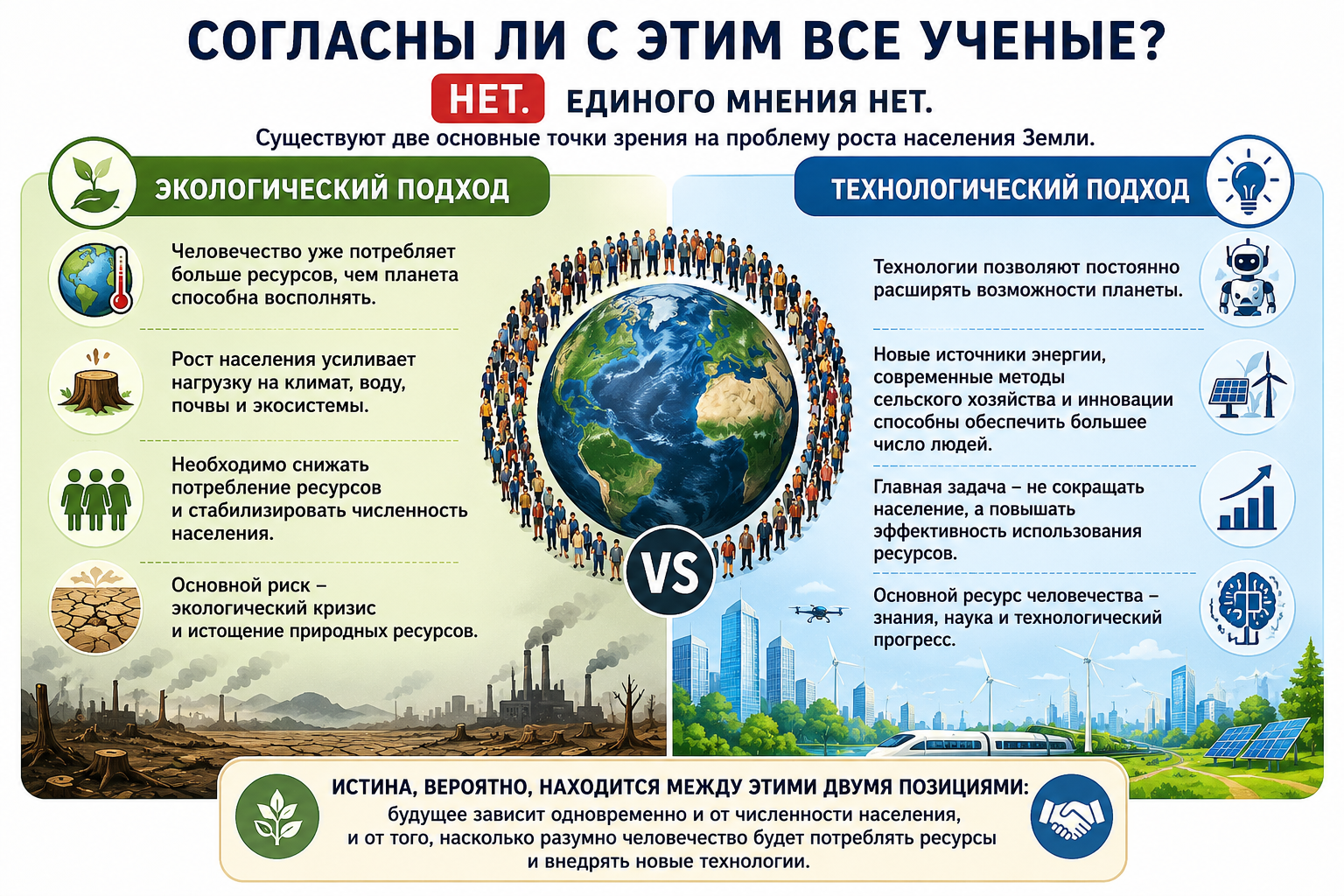
For example, over the past 60 years, food production has grown faster than the population due to breeding, fertilizers, mechanization, and new agricultural technologies.
Will the population grow indefinitely?
Most likely, no.
According to forecasts by the United Nations, the Earth's population will reach about 10–10.5 billion people in the second half of the 21st century, after which growth will practically stop. In many countries, the opposite problem is already observed — declining birth rates and an aging population.
This is particularly noticeable in:
-
Japan;
-
South Korea;
-
Italy;
-
Germany;
-
Latvia.
Modern science is increasingly concluding that the problem lies not so much in the number of people as in the combination of three factors:
-
High resource consumption.
-
Use of fossil fuels.
-
Uneven distribution of wealth and food.
Therefore, the question today is no longer "Are there too many people on Earth?" but rather "Can humanity change the model of consumption and development to ensure a decent life for the growing population without destroying ecosystems?"