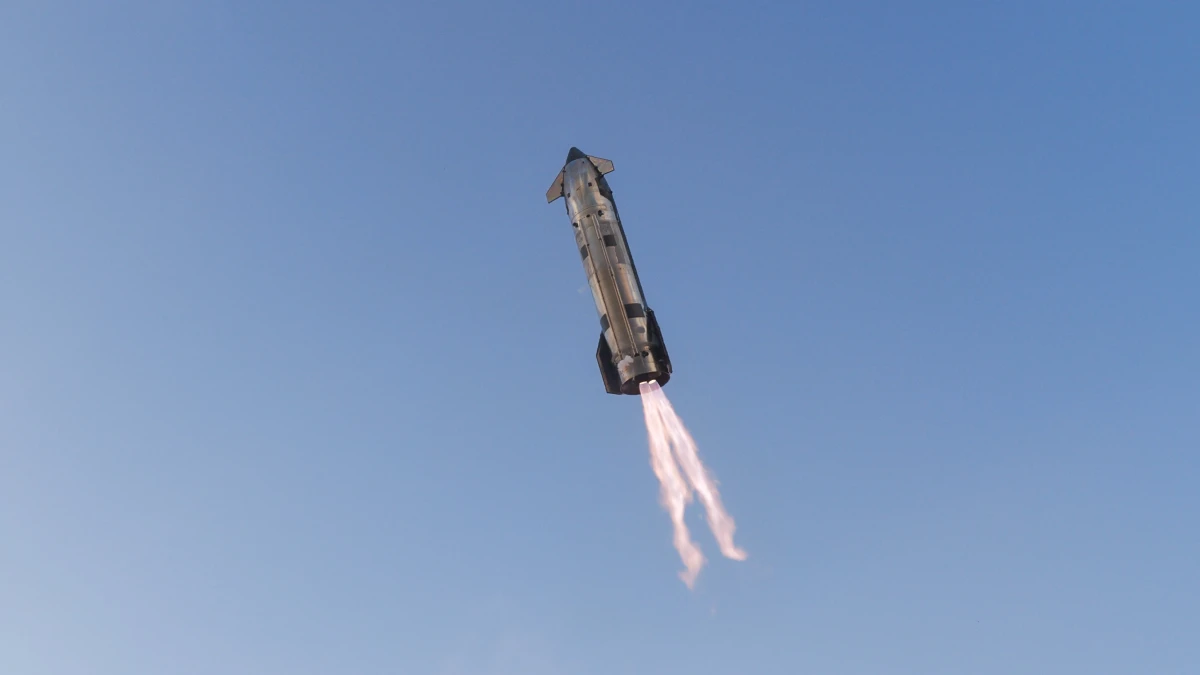
The U.S. has halted Starship rocket tests after issues during the last launch. The Federal Aviation Administration has temporarily banned new test flights of SpaceX's Starship rocket following technical problems during the latest launch.
The American regulator FAA has temporarily suspended tests of the Starship rocket from SpaceX until the investigation into the incident that occurred during the last test flight is completed.
Problems arose on May 23 during the 12th test launch. According to the FAA, the rocket deviated from its planned orbit after one of the engines malfunctioned. Additionally, the Super Heavy booster lost control and fell into the Gulf of Mexico after separating from the upper stage.
Despite the technical issues, the launch cannot be deemed a complete failure. During the flight, Starship successfully deployed 22 satellite prototypes into space. Two of them were used to capture images of the rocket's heat shield — one of the key technologies for future reusable flights. After completing their mission, the devices landed in the Indian Ocean.
Now, SpaceX will conduct the investigation into the causes of the incident, but it will be overseen by the FAA.
This is a particularly sensitive moment for Elon Musk's company. SpaceX is currently under increased scrutiny from investors and regulators as the company prepares for a potential stock market debut this summer.
Starship is considered SpaceX's most ambitious space project. It is the largest and most powerful rocket in history: its total height, including the Super Heavy booster, exceeds 120 meters. The main idea of the project is to create a fully reusable system capable of drastically reducing the cost of space flights.
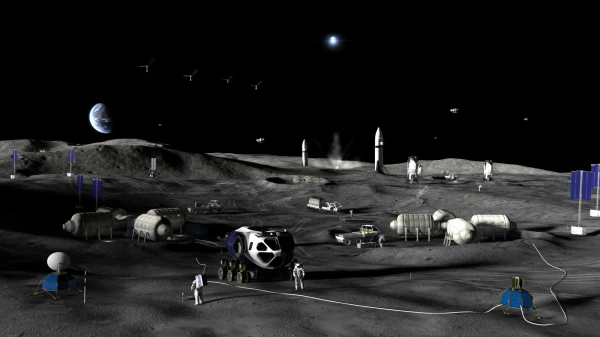
NASA plans to use Starship to return astronauts to the Moon for the first time since 1972. In the long term, the rocket is expected to serve as the foundation for crewed missions to Mars.
However, the series of Starship tests has regularly been accompanied by accidents, explosions, and technical problems. Nevertheless, SpaceX traditionally bets on rapid testing and continuous design improvements between flights.
In the coming weeks, it will become clear how serious the identified issues are and when SpaceX will be able to obtain permission for the next launch.